Essential Home Inspection Guide for Pennsylvania Home Buyers
Learn what professional inspectors look for and how to protect your investment in Washington, Pittsburgh, and King of Prussia properties.

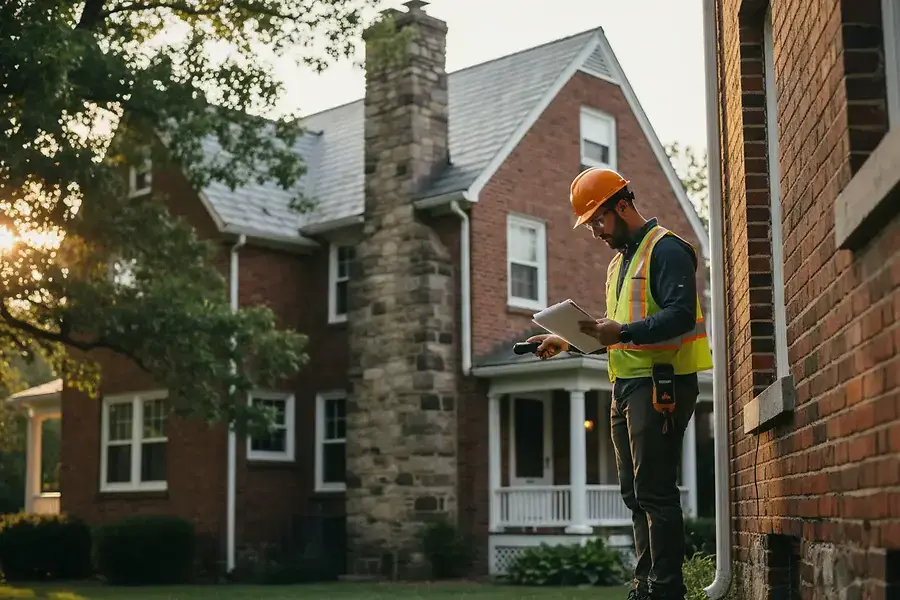
Introduction: Why Home Inspections Matter in Pennsylvania
Purchasing a home is one of the most significant financial decisions you'll make in your lifetime. In Pennsylvania, where properties range from historic Victorian homes to modern suburban residences, a professional home inspection is not just recommended—it's essential. Whether you're buying in Washington, Pittsburgh, or King of Prussia, a thorough inspection can reveal hidden issues that could cost thousands of dollars in repairs.
A home inspection provides you with an independent, professional assessment of your property's condition. This detailed report becomes your roadmap for understanding what you're actually purchasing and helps you make informed decisions about your investment. In Pennsylvania's diverse real estate market, inspections are particularly valuable given the age and variety of homes available.
Common Issues Found in PA Homes During Inspections
Foundation and Structural Problems
Pennsylvania's climate and soil conditions can create significant foundation challenges. Inspectors commonly find:
- Cracks in basement walls and foundations
- Water infiltration and moisture damage
- Settling issues in older homes
- Deteriorating mortar joints in stone foundations
These issues are particularly prevalent in Pittsburgh and Washington, where many homes were built decades ago on challenging terrain.
Roofing and Weather-Related Damage
Pennsylvania's harsh winters and variable weather patterns take a toll on roofing systems. Inspectors frequently identify:
- Missing or damaged shingles
- Inadequate ventilation leading to ice dams
- Flashing problems around chimneys and vents
- Deteriorated gutters and downspouts
Roof replacement can cost $8,000 to $15,000 or more, making this one of the most critical areas to assess.
HVAC System Deficiencies
Heating and cooling systems are crucial in Pennsylvania's climate. Common findings include:
- Outdated furnaces nearing the end of their lifespan
- Inadequate insulation and air sealing
- Malfunctioning thermostats
- Clogged or dirty air filters and ducts
Plumbing and Water Quality Issues
Many Pennsylvania homes, especially in established neighborhoods, have aging plumbing systems. Inspectors commonly discover:
- Galvanized pipes prone to corrosion
- Outdated water heaters
- Slow drains and drainage problems
- Potential lead pipes in older homes
Lead pipes are a particular concern in Pennsylvania homes built before 1986, and testing should be a priority.
Electrical System Concerns
Electrical safety is paramount. Inspectors often find:
- Outdated electrical panels with insufficient capacity
- Knob-and-tube wiring in older homes
- Missing ground fault circuit interrupters (GFCIs)
- Overloaded circuits and improper grounding
How to Choose a Qualified Home Inspector
Verify Credentials and Licensing
Pennsylvania requires home inspectors to be licensed. When selecting an inspector, ensure they hold a current Pennsylvania Home Inspector License. Look for inspectors who are members of professional organizations such as the American Society of Home Inspectors (ASHI) or the National Association of Home Inspectors (NAHI). These memberships indicate a commitment to professional standards and continuing education.
Check Experience and Specialization
Ask potential inspectors about their experience with properties similar to yours. If you're buying a historic home in Washington or a modern development property in King of Prussia, find an inspector familiar with that property type. Experience matters significantly when identifying issues specific to Pennsylvania's housing stock.
Review Sample Reports
Request to see sample inspection reports before hiring. A quality report should be:
- Detailed and comprehensive
- Easy to understand with clear photos
- Organized by home system
- Specific about findings rather than vague
Get Multiple Quotes
Contact at least three inspectors in your area. While cost shouldn't be the only factor, comparing prices helps you understand the market rate. In Pennsylvania, expect to pay between $300 and $500 for a standard home inspection, depending on the property's size and age.
Ask About Availability and Timeline
Ensure the inspector can complete the inspection within your timeline and that you can attend. Being present during the inspection allows you to ask questions and learn about your new home directly from the professional.
Conclusion: Using Inspection Results to Negotiate and Protect Your Purchase
Once you receive your inspection report, you have several options. Don't ignore red flags or assume minor issues will resolve themselves. Use the report to:
- Request repairs from the seller before closing
- Negotiate a lower purchase price to account for necessary repairs
- Plan for future maintenance and budgeting
- Obtain additional specialized inspections if needed
For significant issues like foundation problems or major electrical concerns, consider hiring a specialist for a more detailed assessment. This additional investment can prevent costly surprises after you've already purchased the property.
A home inspection is your opportunity to make an informed decision about one of life's biggest purchases. Whether you're investing in a Pittsburgh property, a Washington home, or a King of Prussia residence, taking the inspection process seriously protects your financial interests and ensures you understand exactly what you're buying. Don't skip this critical step in the home-buying process.
Remember: A thorough home inspection today can save you thousands of dollars in unexpected repairs tomorrow.