Essential Home Inspection Guide for Pennsylvania Residential Buyers
What inspectors look for when evaluating properties in Souderton, Chester Springs, and Philadelphia.

Introduction: Why Home Inspections Matter in Pennsylvania Real Estate
Purchasing a home is one of the most significant financial decisions you'll make in your lifetime. In Pennsylvania, where properties range from historic townhouses in Philadelphia to modern suburban homes in Souderton and Chester Springs, a thorough home inspection is essential to protecting your investment. A professional home inspection provides an objective assessment of a property's condition, revealing potential issues before you commit to the purchase.
Home inspections serve as your safeguard against costly surprises after closing. Whether you're buying in an urban neighborhood or a rural area, understanding what inspectors evaluate helps you make informed decisions and negotiate effectively with sellers.
Key Structural and System Components Inspectors Evaluate
Foundation and Structural Integrity
Inspectors begin by examining the foundation, which is critical to a home's stability. They look for:
- Cracks in concrete or masonry
- Signs of water intrusion or dampness
- Settling or shifting of the structure
- Proper grading around the foundation
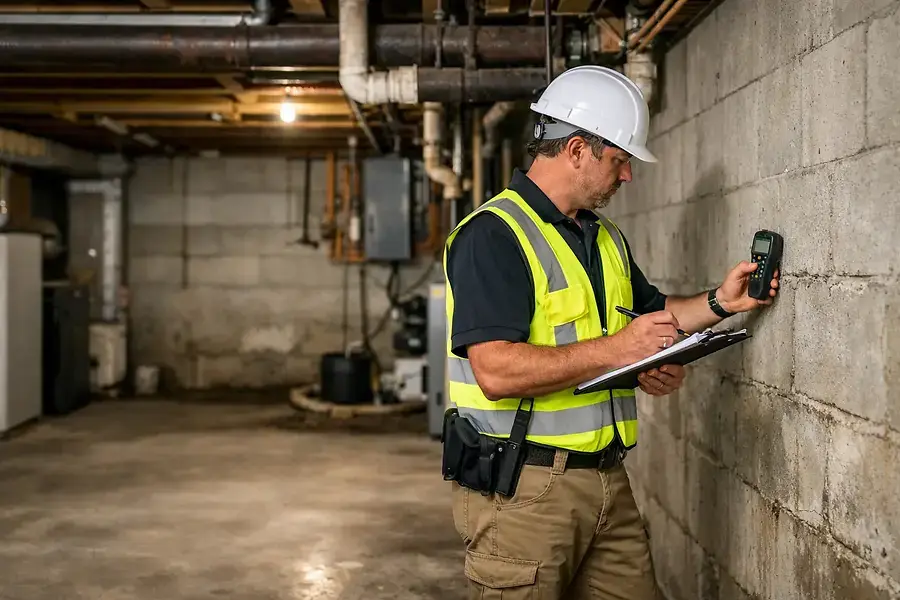
In Pennsylvania, where older homes are common, foundation issues can be particularly concerning. Inspectors pay special attention to basements and crawl spaces, checking for moisture problems that could lead to mold growth or structural deterioration.
Roofing and Exterior
The roof protects everything beneath it, making its condition paramount. Inspectors evaluate:
- Shingle condition and remaining lifespan
- Flashing around chimneys and vents
- Gutters and downspout functionality
- Siding integrity and paint condition
- Window and door seals
Pennsylvania's weather patterns, including heavy snow and rain, make a well-maintained roof essential. Inspectors assess whether the roof can withstand the state's seasonal demands.
Electrical Systems
A safe electrical system is non-negotiable. Inspectors examine:
- The main electrical panel and circuit breakers
- Grounding and bonding
- Outlet and switch functionality
- Presence of outdated wiring (such as aluminum or knob-and-tube)
- GFCI protection in bathrooms and kitchens
Older Pennsylvania homes may have outdated electrical systems that require upgrades to meet current safety standards and handle modern appliance demands.
Plumbing and Water Systems
Water-related issues can be expensive to repair. Inspectors check:
- Water pressure and flow
- Pipe material and condition
- Presence of leaks or water stains
- Water heater age and functionality
- Septic system condition (for rural properties)
- Well water quality (if applicable)
Pennsylvania's hard water can affect plumbing longevity, so inspectors note mineral buildup and corrosion signs.
HVAC Systems
Heating and cooling systems are vital in Pennsylvania's variable climate. Inspectors assess:
- Furnace or heat pump age and efficiency
- Air conditioning unit condition
- Ductwork integrity
- Thermostat functionality
- Maintenance records
A well-maintained HVAC system can last 15-20 years, but older systems may need replacement soon after purchase.
Interior Components
Inspectors also evaluate:
- Insulation levels in attics and walls
- Ventilation in bathrooms and kitchens
- Flooring condition and stability
- Interior walls for cracks or water damage
- Presence of mold or pest damage
Regional Considerations: How PA Climate Affects Home Conditions
Winter Weather Challenges
Pennsylvania winters are cold and snowy, creating specific inspection concerns. Inspectors look for:
- Ice dam prevention: Proper attic ventilation and insulation to prevent ice dams
- Basement moisture: Drainage systems that handle snowmelt
- Heating capacity: Systems adequate for extended cold periods
Spring and Summer Moisture Issues
Pennsylvania's humid summers and spring rains can cause moisture-related problems. Inspectors assess:
- Grading and drainage around the property
- Sump pump functionality
- Basement waterproofing
- Mold and mildew growth
Regional Property-Specific Concerns
Souderton area: Properties in this region often have older construction. Inspectors pay attention to foundation settling and outdated systems common in homes built before 1980.
Chester Springs: This area features properties with varying ages and conditions. Inspectors evaluate both historic homes and newer developments, with particular attention to septic systems in less densely populated areas.
Philadelphia: Urban properties often include rowhouses and older structures. Inspectors focus on shared wall conditions, aging infrastructure, and lead paint concerns in pre-1978 homes.
Conclusion: Using Inspection Results to Make Confident Offers
A comprehensive home inspection report provides detailed findings that empower you to make informed decisions. Don't skip the inspection—even if the property appears to be in good condition, hidden issues could cost thousands to repair.
Use inspection results to negotiate repairs or credits with the seller, request a price reduction, or decide whether to proceed with the purchase.
When reviewing your inspection report, prioritize major structural and system issues over cosmetic concerns. Work with your real estate agent and inspector to understand the severity of any findings and the estimated costs for repairs.
Whether you're buying in Souderton, Chester Springs, Philadelphia, or anywhere else in Pennsylvania, a thorough home inspection is your best investment in peace of mind. It protects your financial interests and ensures you're making a sound decision about one of life's most important purchases.


