Essential Home Inspection Guide for Pensacola Real Estate Buyers
Protect your investment by knowing what to look for during the inspection process.

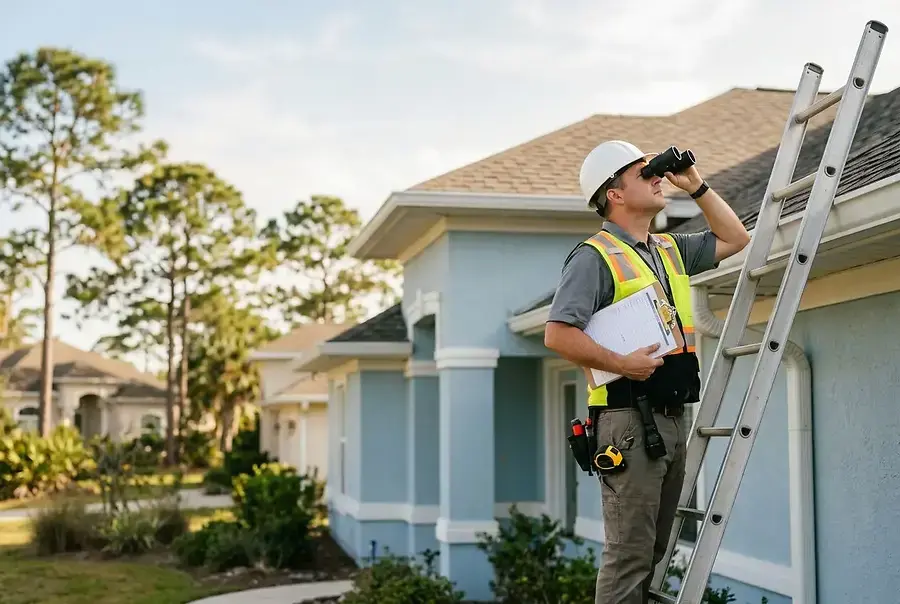
Introduction: Why Home Inspections Matter in Pensacola's Market
Purchasing a home is one of the most significant financial decisions you'll make in your lifetime. In Pensacola's competitive real estate market, a thorough home inspection is not just a formality—it's your safeguard against costly surprises down the road. A professional home inspection provides an objective assessment of a property's condition, helping you make an informed decision and negotiate repairs or credits before closing.
Pensacola's unique climate and coastal environment present specific challenges that differ from other regions. Understanding what inspectors look for and what issues are common in this area can save you thousands of dollars and prevent future headaches. Whether you're a first-time buyer or an experienced investor, knowing the ins and outs of the inspection process is essential.
Key Areas to Inspect: From Foundation to Roof in Florida's Climate
Foundation and Structural Integrity
The foundation is the backbone of any home. In Pensacola, where humidity and moisture are constant concerns, inspectors pay close attention to signs of settling, cracks, or water intrusion. Look for horizontal cracks, which are more serious than vertical ones, and any evidence of previous repairs. The inspector will also check for proper grading around the foundation to ensure water drains away from the structure.
Roof and Attic
Florida's intense sun and frequent storms make the roof a critical component. Inspectors examine:
- Shingle condition and age
- Flashing around chimneys and vents
- Proper ventilation in the attic
- Signs of leaks or water damage
- Structural support and decking
A roof replacement can cost $10,000 or more, making this inspection area particularly important for your budget planning.
Plumbing Systems
Pensacola's older homes often have plumbing challenges. Inspectors test water pressure, check for leaks, and examine the type of pipes used. Galvanized pipes, common in older homes, may need replacement as they corrode over time. The inspector will also verify that the water heater is functioning properly and check for any signs of mold or water damage in crawl spaces.
Electrical Systems
A safe electrical system is non-negotiable. The inspector will:
- Check the main panel for proper grounding and capacity
- Test outlets and switches throughout the home
- Identify outdated wiring or safety hazards
- Verify proper installation of GFCI outlets in wet areas
HVAC and Climate Control
Air conditioning is essential in Pensacola's climate. The inspector evaluates the age and condition of the HVAC system, checks refrigerant levels, and ensures proper airflow. A failing AC system in Florida is not just uncomfortable—it's a major expense that can range from $5,000 to $15,000 for replacement.
Moisture and Mold
Pensacola's humidity creates an ideal environment for mold growth. Inspectors look for visible mold, water stains, and conditions that promote moisture accumulation. This is one of the most critical inspections in Florida homes, as mold can affect both property value and health.
Common Issues Found in Pensacola Homes and How to Address Them
Water Intrusion and Damage
Water damage is the most common issue in Pensacola properties. Whether from roof leaks, plumbing issues, or poor drainage, water intrusion can lead to structural damage and mold. If discovered during inspection, request a detailed estimate for repairs before proceeding. Sometimes, sellers will credit you at closing rather than make repairs themselves.
Outdated Electrical Systems
Many older Pensacola homes have aluminum wiring or insufficient electrical capacity. While not always dangerous, these systems may not support modern appliances and technology. Budget for potential upgrades if the inspector flags concerns.
Aging Plumbing
Corroded pipes, low water pressure, and outdated fixtures are common in established neighborhoods. Ask the inspector about the expected lifespan of the plumbing system and factor replacement costs into your offer if necessary.
Roof Age and Condition
Florida's weather is tough on roofs. If the roof is nearing the end of its lifespan, consider negotiating a credit or requesting repairs before closing. Insurance companies may also require a newer roof for coverage.
HVAC System Concerns
Older air conditioning systems may be inefficient or use refrigerants that are being phased out. If replacement is needed, this is a significant expense that should be factored into your decision.
Foundation Issues
While catastrophic foundation problems are less common in Pensacola than in other parts of Florida, minor settling and cracks do occur. Have the inspector clarify whether issues are cosmetic or structural before deciding how to proceed.
Conclusion: Moving Forward with Confidence in Your Purchase
A professional home inspection is your opportunity to understand exactly what you're buying. In Pensacola's unique market, where climate-related issues are prevalent, this step is invaluable. Don't skip the inspection to save money—it's one of the best investments you can make in your home purchase.
Work with a qualified, licensed home inspector who has experience with Pensacola properties. Review the inspection report carefully, ask questions, and use the findings to negotiate repairs, credits, or price adjustments. Remember, the goal isn't to find a perfect home—it's to know what you're getting and make an informed decision.
With this knowledge in hand, you can move forward with confidence, knowing you've done your due diligence to protect your investment in Pensacola real estate.