Essential Home Inspection Guide for Pensacola Residential Buyers
Protect your investment by understanding what professional home inspectors look for in Pensacola's unique coastal climate.

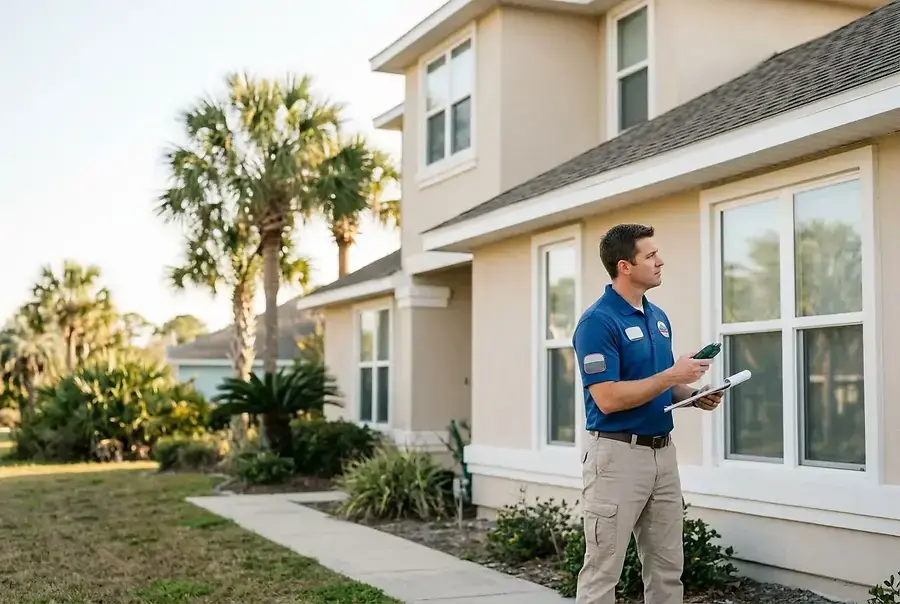
Introduction: Why Home Inspections Matter in Pensacola
Purchasing a home is one of the most significant investments you'll make in your lifetime. In Pensacola, where the coastal climate presents unique challenges, a thorough home inspection becomes even more critical. The salt air, humidity, and weather patterns specific to Florida's Gulf Coast can cause damage that isn't immediately visible to the untrained eye.
A professional home inspection serves as your protection against unforeseen problems and costly repairs. It provides you with detailed information about the property's condition, helping you make an informed decision and negotiate effectively with sellers. Understanding what inspectors look for in Pensacola homes can help you prepare for the inspection process and ask the right questions.
Common Issues Found in Pensacola Homes: Salt Air and Moisture Damage
Salt Air Corrosion
Pensacola's proximity to the Gulf of Mexico means homes are constantly exposed to salt-laden air. This corrosive environment affects metal components throughout your home, including:
- HVAC systems and air conditioning units
- Electrical fixtures and wiring
- Metal roof components and flashing
- Plumbing fixtures and pipes
- Garage door openers and hardware
Professional inspectors pay special attention to these components, looking for signs of rust, oxidation, and deterioration. Early detection can save you thousands in replacement costs.
Moisture and Mold Issues
The high humidity levels in Pensacola create an ideal environment for moisture accumulation and mold growth. Inspectors thoroughly examine:
- Attics and crawl spaces for proper ventilation
- Basement and foundation areas for water intrusion
- Bathroom and kitchen areas for moisture damage
- HVAC systems and ductwork for condensation buildup
- Walls and ceilings for signs of water stains
Mold can pose serious health risks and is expensive to remediate, making this one of the most important areas of inspection in coastal Florida homes.
Roof and Exterior Damage
Pensacola's weather, including hurricanes and tropical storms, takes a toll on roofing materials. Inspectors look for:
- Missing or damaged shingles
- Deteriorated flashing around chimneys and vents
- Gutter and downspout damage
- Fascia and soffit deterioration
- Proper roof ventilation and insulation
A compromised roof can lead to interior water damage, so this inspection area is crucial for coastal properties.
Foundation and Structural Concerns
The sandy soil composition in Pensacola can affect foundation stability. Inspectors examine foundations for cracks, settling, and water damage. They also assess the home's structural integrity, looking for signs of shifting or movement that could indicate deeper problems.
What to Expect During Your Home Inspection Process
Pre-Inspection Preparation
Before your inspector arrives, ensure the property is accessible. Unlock gates, clear pathways to the attic and crawl spaces, and make sure utilities are turned on. Provide the inspector with any documentation about previous repairs or maintenance work.
The Inspection Timeline
A typical home inspection in Pensacola takes 2-4 hours, depending on the home's size and age. The inspector will systematically evaluate every major system and component, both inside and outside the property. You're encouraged to accompany the inspector and ask questions throughout the process.
Key Areas of Focus
Professional inspectors follow a comprehensive checklist that includes:
- Structural systems: Foundation, framing, and load-bearing walls
- Exterior elements: Siding, windows, doors, and weatherproofing
- Roofing: Condition, age, and remaining lifespan
- HVAC systems: Heating, cooling, and ventilation
- Plumbing: Water supply, drainage, and fixtures
- Electrical: Panel, wiring, outlets, and safety features
- Interior: Walls, ceilings, floors, and built-in appliances
- Pest and moisture: Signs of termites, rodents, or water damage
The Inspection Report
After the inspection, you'll receive a detailed report within 24-48 hours. This document includes photographs, descriptions of findings, and recommendations for repairs or further evaluation. The report categorizes issues by severity, helping you prioritize concerns and budget for necessary work.
Don't hesitate to ask your inspector to explain any findings or recommendations. Understanding the report is essential for making your next move.
Follow-Up Inspections
For significant issues identified during the initial inspection, you may want to hire specialists. Common follow-up inspections include:
- Mold testing and assessment
- Termite and pest inspections
- Roof condition evaluation
- Foundation engineering assessment
- HVAC system evaluation
Conclusion: Using Inspection Results to Negotiate and Secure Your Pensacola Home
A comprehensive home inspection is your best defense against purchasing a property with hidden problems. In Pensacola's coastal environment, understanding common issues like salt air corrosion, moisture damage, and weather-related wear is essential for protecting your investment.
Use your inspection report as a negotiation tool. Minor issues may be acceptable, but significant problems should be addressed through repairs, credits, or price reductions before closing. Don't skip the inspection process or rush through it—this is your opportunity to make an informed decision about one of life's biggest purchases.
By working with a qualified home inspector familiar with Pensacola's unique challenges, you're taking a proactive step toward homeownership confidence. Your inspection report becomes your roadmap for understanding your new home's condition and planning for future maintenance and repairs.