Essential Home Inspection Guide for Philadelphia Property Buyers
Protect your investment by understanding what inspectors look for and why it matters in Philadelphia's older housing stock.

Introduction: Why Home Inspections Matter in Philadelphia
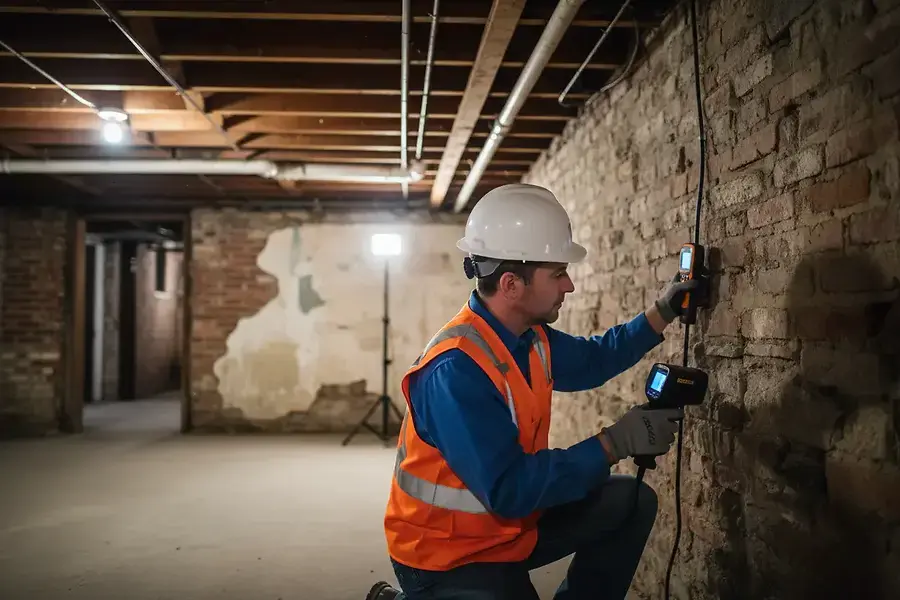
Purchasing a home is one of the largest financial decisions you'll make, and in Philadelphia, where many properties date back over a century, a thorough home inspection is absolutely critical. Philadelphia's unique housing stock—characterized by historic rowhouses, older construction methods, and aging infrastructure—presents both charm and challenges that require expert evaluation.
A professional home inspection provides an objective assessment of a property's condition, identifying potential issues before you commit to the purchase. This knowledge empowers you to make informed decisions, negotiate repairs or price reductions, and avoid costly surprises after closing.
Common Issues Found in Philadelphia Homes and What They Mean
Foundation and Structural Concerns
Philadelphia's older homes often sit on foundations that have settled over decades. Inspectors look for cracks in basement walls, uneven floors, and bowing foundations—all common in historic properties. While minor settling is normal, significant structural issues can be expensive to repair and may indicate deeper problems with the home's integrity.
Understanding the difference between cosmetic cracks and structural concerns is essential. Your inspector will help determine whether issues are merely aesthetic or require immediate attention.
Moisture and Water Damage
Water intrusion is one of the most prevalent problems in Philadelphia homes, particularly in basements and crawl spaces. Signs include efflorescence (white mineral deposits), mold growth, and water staining. These issues can lead to:
- Mold and mildew growth affecting air quality
- Structural wood rot and deterioration
- Compromised insulation and energy efficiency
- Costly remediation and waterproofing work
Identifying moisture problems early can save you thousands in future repairs.
Roofing and Exterior Issues
Philadelphia's weather—with heavy snow, rain, and temperature fluctuations—takes a toll on roofs. Inspectors examine shingle condition, flashing integrity, and gutter systems. A roof nearing the end of its lifespan is a significant expense to budget for, often costing $10,000 or more to replace.
Exterior brick and mortar also require attention. Deteriorating mortar joints and spalling brick are common in older Philadelphia homes and can compromise weatherproofing.
Electrical and Plumbing Systems
Older homes frequently have outdated electrical systems, including knob-and-tube wiring or insufficient grounding, which pose fire hazards and may not support modern electrical demands. Similarly, galvanized or cast iron plumbing can corrode over time, leading to reduced water pressure and potential leaks.
Your inspector will assess whether systems meet current safety standards and can handle contemporary usage patterns.
HVAC and Energy Efficiency
Heating systems in older homes may be outdated and inefficient. Inspectors evaluate furnaces, boilers, and air conditioning units for proper function and remaining lifespan. Poor insulation and air sealing are also common issues that affect energy costs.
Questions to Ask Your Inspector and Red Flags to Watch For
Key Questions to Ask
- What is the estimated remaining lifespan of major systems? (roof, HVAC, water heater, electrical panel)
- Are there any code violations or safety hazards? These may require immediate remediation.
- What maintenance issues should I prioritize? Understanding urgency helps with budgeting.
- Are there signs of pest infestation or previous infestations? Termites and other pests can cause significant damage.
- How does this property compare to others you've inspected in the area? This provides valuable context.
Red Flags to Watch For
Certain findings should raise concerns and warrant further investigation:
- Extensive mold growth indicating serious moisture problems
- Foundation cracks wider than 1/4 inch or horizontal cracks suggesting structural movement
- Outdated electrical panels that cannot be safely upgraded
- Evidence of water damage in multiple areas suggesting systemic issues
- Asbestos or lead paint requiring professional remediation
- Unpermitted additions or renovations that may not meet code
Don't hesitate to request a second opinion from a specialist if your inspector identifies significant concerns.
Conclusion: Using Inspection Results to Negotiate and Protect Your Purchase
A comprehensive home inspection report is your negotiating tool. Armed with detailed findings, you can:
- Request repairs from the seller before closing
- Negotiate a price reduction to account for necessary work
- Request escrow holdbacks for specific repairs
- Make an informed decision about whether to proceed with the purchase
In Philadelphia's competitive real estate market, understanding a property's true condition gives you leverage and confidence. Work closely with your real estate agent and inspector to interpret findings and develop a strategy that protects your investment.
Remember, the inspection contingency period is your opportunity to discover issues before you're legally obligated to purchase. Use this time wisely, ask thorough questions, and don't ignore red flags. A small investment in a professional inspection can prevent much larger expenses and headaches down the road.
By taking these steps, you'll move forward with your Philadelphia home purchase with clarity, confidence, and protection for one of life's most important investments.