Essential Home Inspection Guide for Phoenix Buyers and Sellers
Discover critical inspection points and how Arizona's desert climate affects your property's condition and value.

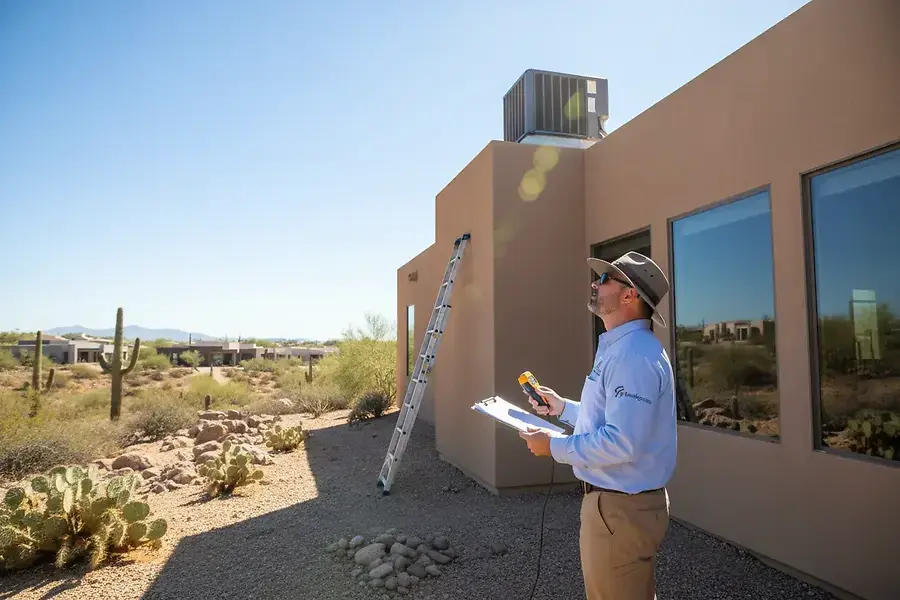
Understanding the Home Inspection Process and Timeline
A home inspection is a crucial step in any real estate transaction, serving as an objective assessment of a property's condition. In Phoenix, the inspection process typically begins after an offer has been accepted and continues for 7-10 days, though this timeline can be negotiated between buyer and seller.
During a standard inspection, a certified inspector will examine:
- Structural integrity and foundation
- Roofing systems and gutters
- HVAC and cooling systems
- Plumbing and water systems
- Electrical systems and panels
- Insulation and ventilation
- Windows, doors, and exterior surfaces
The inspection typically takes 2-4 hours depending on the property size. Buyers are strongly encouraged to attend the inspection to ask questions and understand any issues firsthand. After completion, the inspector provides a detailed report within 24-48 hours, which becomes the foundation for negotiations and repair requests.
Climate-Related Issues Specific to Phoenix Properties
Desert Heat and Cooling System Strain
Phoenix's extreme summer temperatures, often exceeding 110°F, place tremendous stress on air conditioning systems. The AC unit is arguably the most critical component in a Phoenix home. Inspectors pay special attention to the age, efficiency, and condition of cooling systems. Units older than 10-15 years may need replacement, which can cost $5,000-$15,000 or more.
Roof and Sun Damage
The intense Arizona sun deteriorates roofing materials faster than in other climates. Inspectors look for:
- Cracked, curled, or missing shingles
- Faded or discolored roofing material
- Deteriorated flashing and seals
- Pooling water or drainage issues
A roof in good condition is essential, as replacement costs can range from $8,000-$20,000 depending on materials and size.
Foundation and Concrete Issues
Phoenix's dry climate and expansive soil create unique foundation challenges. Concrete driveways, patios, and pool decks commonly crack and shift due to temperature fluctuations and moisture changes. Inspectors assess foundation cracks carefully—hairline cracks are normal, but larger cracks may indicate structural concerns requiring professional evaluation.
Pool and Spa Conditions
Many Phoenix homes feature pools and spas. Inspectors examine:
- Pool structure and plaster condition
- Equipment functionality and age
- Deck safety and surface conditions
- Chemical balance and circulation systems
Pool repairs and resurfacing can be expensive, making thorough inspection of these features critical for budget planning.
Red Flags and Deal-Breakers to Watch For During Inspections
Structural and Foundation Concerns
Significant foundation cracks, settling issues, or structural damage are serious red flags. These problems can be costly to repair and may affect the property's insurability and resale value. Any structural concerns warrant a second opinion from a structural engineer.
Roof Deterioration and Leaks
Active leaks, extensive damage, or a roof nearing the end of its lifespan should raise concerns. Roof damage can lead to interior water damage, mold growth, and insulation problems if not addressed promptly.
HVAC System Failures
A non-functional or aging air conditioning system in Phoenix is a major issue. Without proper cooling, the home is essentially uninhabitable during summer months.
An AC system failure should be treated as a priority repair or a significant negotiation point.
Plumbing and Water Issues
Look for signs of leaks, corrosion, low water pressure, or outdated plumbing materials. Galvanized pipes, common in older Phoenix homes, often corrode and require replacement. Water heater age and condition are also important considerations.
Electrical System Problems
Outdated electrical panels, insufficient outlets, or safety hazards should be addressed. Homes with aluminum wiring or Federal Pacific Electric (FPE) panels may face insurance issues and safety risks.
Pest and Termite Damage
Arizona's warm climate attracts termites and other pests. Evidence of infestation or previous damage should be professionally evaluated and treated before purchase.
Using Inspection Reports to Negotiate and Make Informed Decisions
Analyzing the Report
Once you receive the inspection report, review it carefully and categorize findings into three groups: critical issues requiring immediate attention, moderate concerns needing repair, and minor cosmetic items. Understanding this hierarchy helps prioritize negotiations.
Negotiation Strategies
Armed with inspection findings, buyers have several options:
- Request repairs: Ask the seller to fix critical issues before closing
- Request credits: Negotiate a price reduction to cover repair costs yourself
- Request inspections: Ask for specialized inspections (structural, pest, pool) for specific concerns
- Walk away: Use inspection results to terminate the contract if issues are severe
For Sellers: Proactive Inspection Approach
Sellers benefit from conducting a pre-listing inspection. Addressing issues before listing reduces negotiation leverage for buyers and demonstrates transparency. This approach often results in faster sales and fewer post-inspection disputes.
Making Your Final Decision
Use the inspection report as a tool for informed decision-making. Consider the cost of repairs, the property's overall value, and your long-term plans. Don't let minor issues derail a good property purchase, but don't ignore significant problems either. When in doubt, consult with real estate professionals or specialists to understand the true impact of inspection findings on your investment.
A thorough home inspection is an investment in peace of mind and financial protection. In Phoenix's unique climate, understanding property-specific challenges ensures you make confident decisions whether buying or selling.