Essential Home Inspection Guide for Phoenix Residential Buyers
Protect your investment by understanding the critical inspection points that matter most in Phoenix's unique desert climate.

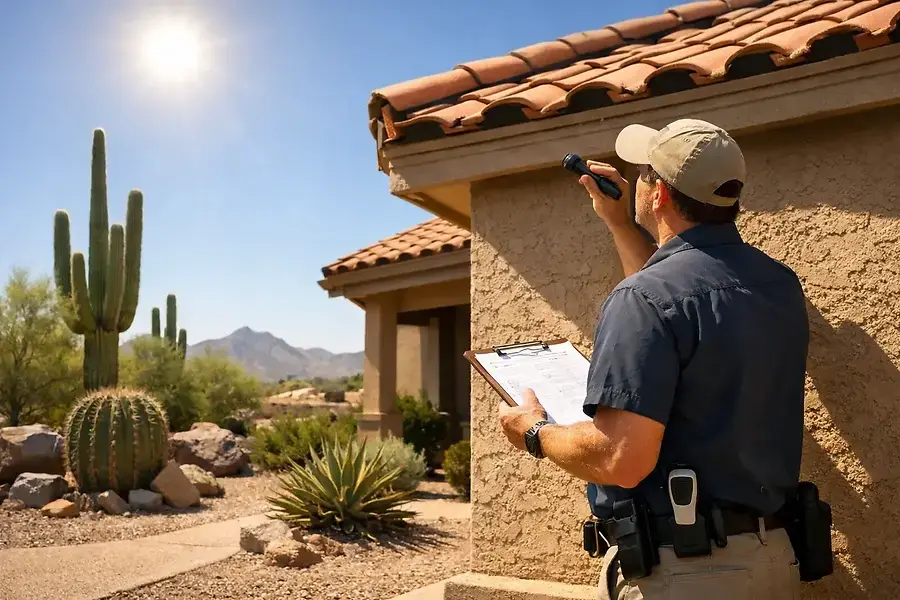
Why Home Inspections Matter in Phoenix
Purchasing a home is one of the most significant investments you'll make in your lifetime. In Phoenix, where the desert climate presents unique challenges, a thorough home inspection becomes even more critical. The intense heat, low humidity, and occasional monsoons create specific wear patterns and vulnerabilities that differ from other regions.
A comprehensive home inspection protects your investment by identifying potential issues before you commit to the purchase. In Phoenix's climate, certain problems develop faster than in other areas, making early detection essential. Understanding what inspectors look for and what concerns are specific to the desert environment empowers you to make informed decisions.
Don't skip the inspection process—it's your opportunity to uncover hidden problems that could cost thousands in repairs down the road. A professional inspector will evaluate everything from the roof to the foundation, with special attention to elements affected by Phoenix's extreme conditions.
Key Areas to Inspect: Desert-Specific Concerns and Common Issues
Roof and Exterior Surfaces
Phoenix's intense sun exposure causes rapid deterioration of roofing materials. Inspectors should examine:
- Shingle condition and color fading
- Flashing integrity around vents and chimneys
- Signs of thermal expansion and contraction damage
- Proper ventilation to prevent heat buildup
The extreme temperature fluctuations in the desert can cause materials to expand and contract, leading to cracks and separation. A roof inspection is non-negotiable in Phoenix, as replacement costs are substantial.
HVAC Systems
Air conditioning systems work overtime in Phoenix's heat. During inspection, verify:
- Age and maintenance history of the AC unit
- Proper refrigerant levels
- Ductwork condition and sealing
- Thermostat functionality
An aging or poorly maintained AC system can fail during peak summer months, leaving you without cooling when you need it most. Budget for potential replacement, as new systems can cost $5,000 to $10,000.
Foundation and Concrete
Desert soil conditions create unique foundation challenges. Inspectors should assess:
- Cracks in the foundation or concrete slabs
- Signs of settling or shifting
- Moisture intrusion in basements or crawl spaces
- Proper grading around the foundation
Phoenix's expansive clay soils can shift with moisture changes, potentially causing foundation movement. This is a critical area that requires professional evaluation.
Plumbing and Water Systems
Hard water and mineral deposits are common in Phoenix. Check for:
- Water heater age and condition
- Pipe material and corrosion signs
- Water pressure and flow rates
- Evidence of leaks or water damage
Copper pipes may show signs of corrosion from Phoenix's mineral-rich water. Older homes may have galvanized pipes that are prone to deterioration.
Electrical Systems
Inspect the electrical panel and wiring for:
- Proper grounding and bonding
- Adequate circuit capacity for modern appliances
- Signs of overheating or damage
- Outdated wiring that may pose fire hazards
Older homes may have insufficient electrical capacity for today's cooling demands and modern devices.
Windows and Doors
Desert sun damages seals and frames. Evaluate:
- Window seal integrity and condensation between panes
- Door frame condition and weatherstripping
- Proper operation of all windows and doors
- Energy efficiency ratings
Poor seals allow cool air to escape, increasing cooling costs significantly.
Red Flags and Warning Signs That Require Professional Assessment
Structural Concerns
Watch for these warning signs:
- Visible cracks in walls, ceilings, or floors
- Doors and windows that don't close properly
- Sagging rooflines or uneven floors
- Water stains on ceilings or walls
These issues may indicate foundation problems or structural damage that requires immediate professional assessment.
Moisture and Water Damage
Despite Phoenix's dry climate, water damage can occur from:
- Monsoon flooding or improper drainage
- Leaking roofs or AC condensation lines
- Plumbing leaks hidden behind walls
- Efflorescence (white mineral deposits) on exterior walls
Any signs of moisture should be investigated thoroughly, as hidden water damage can lead to mold and structural issues.
HVAC System Failures
Red flags include:
- AC units over 15 years old
- Unusual noises or odors from the system
- Inconsistent cooling throughout the home
- High utility bills suggesting inefficiency
Request service records and consider getting a separate HVAC inspection if concerns arise.
Pest and Termite Damage
Phoenix's warm climate attracts pests. Look for:
- Evidence of termite damage in wood structures
- Droppings or nesting materials
- Holes in wood or drywall
- Mud tubes on exterior walls
A separate termite inspection is often recommended in Phoenix and may be required by lenders.
Making Informed Decisions Before Closing
Once the inspection is complete, you'll receive a detailed report. Take time to review it carefully and ask your inspector to explain any concerns. Don't ignore issues—instead, use the findings to negotiate repairs or credits with the seller.
Consider hiring specialists for specific concerns. If the inspector flags foundation issues, get a structural engineer's opinion. For HVAC concerns, consult an air conditioning specialist. These additional assessments provide peace of mind and accurate cost estimates for repairs.
A thorough home inspection is an investment in your future. The cost of an inspection—typically $300 to $500—is minimal compared to the potential savings from identifying problems early.
Remember that no home is perfect, but understanding what you're buying allows you to make informed decisions. In Phoenix's unique desert environment, paying special attention to climate-related issues ensures you're protecting your investment for years to come.
Before closing, ensure all agreed-upon repairs are completed and verified. Request receipts and warranties for any work done. With proper due diligence and a thorough inspection, you can confidently move forward with your Phoenix home purchase.


