Essential Home Inspection Guide for Piedmont Triad Homebuyers
Discover what North Carolina home inspectors look for and how to protect your investment in Burlington, Greensboro, High Point, and surrounding areas.

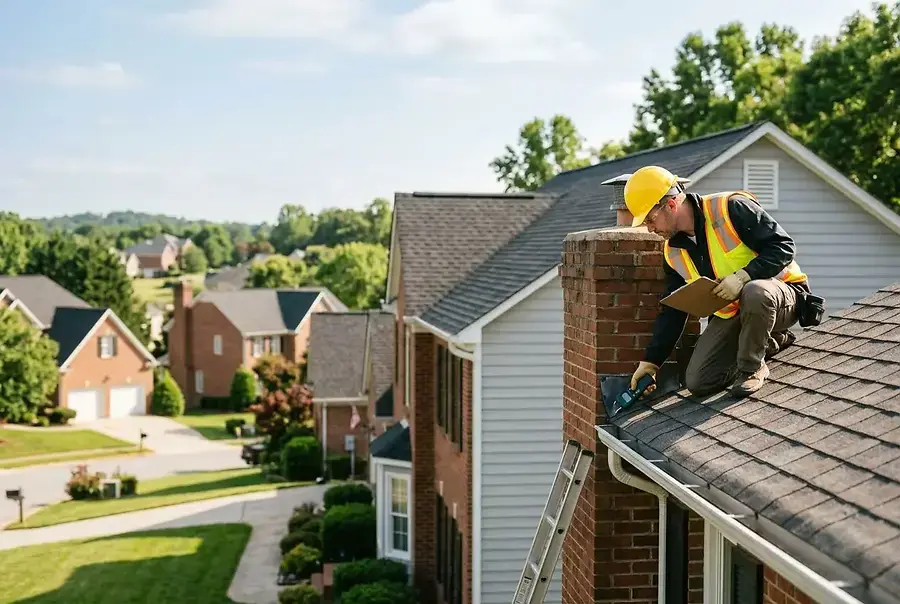
Understanding the Home Inspection Process in NC
A home inspection is one of the most critical steps in the homebuying process, especially in North Carolina's Piedmont Triad region. This thorough examination of a property's physical condition provides you with essential information before making one of life's largest financial commitments.
In North Carolina, home inspectors are required to be licensed and follow specific standards set by the state. A typical inspection lasts between two to three hours and covers all major systems and components of the home. The inspector will examine the foundation, roof, electrical systems, plumbing, HVAC, and interior structures to identify any existing or potential problems.
The inspection report you receive is a detailed document that outlines the condition of the property. It categorizes findings into areas that need immediate attention, items that should be monitored, and general observations. Understanding this report is crucial for making informed decisions about your purchase.
What Happens During the Inspection
Professional inspectors in the Piedmont Triad follow a systematic approach to evaluate homes. They begin with the exterior, checking the roof condition, siding, windows, and foundation for signs of damage or deterioration. They then move inside to assess the interior walls, ceilings, floors, and all visible systems.
Inspectors test electrical outlets, check water pressure, inspect heating and cooling systems, and look for signs of water damage or mold. They also examine appliances, insulation, and ventilation systems. Nothing is overlooked in a comprehensive inspection.
Common Issues Found in Piedmont Triad Homes
The Piedmont Triad's climate and building practices have created specific patterns of wear and damage that inspectors frequently encounter. Understanding these common issues can help you anticipate potential problems and negotiate repairs or credits.
Moisture and Water Damage
One of the most prevalent issues in the region is moisture-related damage. The humid subtropical climate of North Carolina creates ideal conditions for water infiltration, mold growth, and wood rot. Inspectors commonly find:
- Roof leaks and damaged shingles
- Foundation cracks allowing water seepage
- Poor drainage around the property
- Mold in crawl spaces and basements
- Damaged or missing caulking around windows and doors
HVAC and Electrical Systems
Older homes in Burlington, Greensboro, and High Point often have aging heating and cooling systems that may not meet current efficiency standards. Similarly, electrical systems in homes built before the 1980s may have outdated wiring or insufficient capacity for modern appliances and technology.
Structural and Foundation Issues
Settling and foundation movement are common in the Piedmont region due to soil composition. Inspectors look for cracks in foundations, uneven floors, and signs of structural stress that could indicate more serious problems.
Questions to Ask Your Inspector and Red Flags to Watch For
Essential Questions to Ask
Don't be shy about asking your inspector detailed questions. Here are critical questions to pose:
- What is the age and condition of the roof? When will it likely need replacement?
- Are there any signs of water damage or mold? Where and how serious?
- What is the condition of the HVAC system? How much longer will it last?
- Are there any electrical code violations? Does the system need updating?
- What repairs are urgent versus optional? What can wait?
- Are there any pest infestations or signs of previous infestations?
Red Flags to Watch For
Certain findings should raise serious concerns and warrant further investigation:
- Extensive mold growth – This can be expensive and health-hazardous to remediate
- Foundation cracks wider than 1/4 inch – May indicate structural problems
- Outdated electrical panels – Particularly Federal Pacific or Zinsco panels, which are fire hazards
- Galvanized plumbing – Often needs replacement in older homes
- Asbestos or lead paint – Requires professional remediation
- Signs of termite or pest damage – Can compromise structural integrity
Understanding the Inspector's Limitations
It's important to know that home inspectors have limitations. They cannot move items to inspect behind them, cannot damage the property during inspection, and cannot inspect areas that are not readily accessible. If the inspector notes something concerning, you may want to hire a specialist for further evaluation.
Using Inspection Results to Negotiate and Close Your Deal
Negotiation Strategies
Once you have the inspection report, you have leverage in negotiations. You have several options:
- Request repairs: Ask the seller to fix identified issues before closing
- Request credits: Ask for a credit toward closing costs to handle repairs yourself
- Request price reduction: Negotiate a lower purchase price based on repair costs
- Walk away: If issues are too severe, you may choose to terminate the purchase
In the Piedmont Triad market, sellers often prefer to provide credits rather than make repairs themselves. This gives you control over the quality of work and contractors used.
Prioritizing Repairs
Not all inspection findings require immediate action. Focus your negotiations on items that affect safety, structural integrity, or major systems. Cosmetic issues and minor repairs can often be addressed after purchase.
Final Steps Before Closing
After negotiations are complete, consider scheduling a final walkthrough inspection to verify that agreed-upon repairs have been completed satisfactorily. This protects your interests and ensures you're getting what you paid for.
Working with a knowledgeable real estate agent and a qualified home inspector is essential for protecting your investment in the Piedmont Triad. These professionals help you understand what you're buying and ensure you make an informed decision about one of life's most important purchases.