Essential Home Inspection Guide for Pittsburg, Kansas Buyers
Learn what to look for during a home inspection to avoid costly surprises and make confident purchasing decisions.

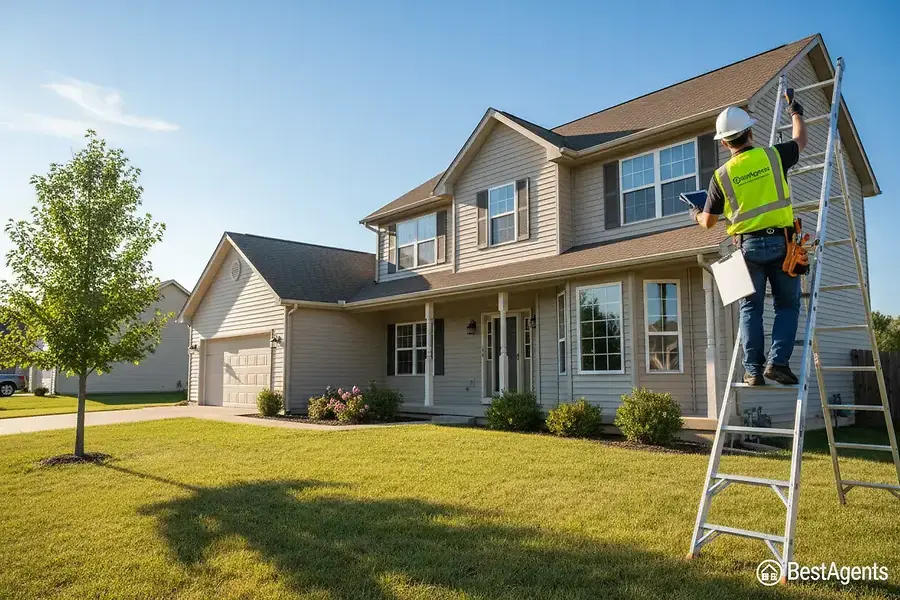
Understanding the Home Inspection Process
A home inspection is one of the most critical steps in the home-buying process. This thorough evaluation of a property's condition helps you understand what you're investing in and identifies potential issues before you sign the final papers. In Pittsburg, Kansas, a standard home inspection typically takes two to three hours and involves a certified inspector examining both the interior and exterior of the property.
During the inspection, the professional will create a detailed report documenting the condition of major systems and components. This report becomes your roadmap for negotiating repairs or credits with the seller. Understanding what inspectors look for and how the process works empowers you to make informed decisions about your purchase.
What to Expect During Your Inspection
Most home inspections follow a systematic approach. The inspector will examine the foundation, roof, walls, windows, doors, and all major systems including electrical, plumbing, heating, and cooling. You have the right to be present during the inspection, and many experts recommend attending to ask questions and learn about the property's maintenance history.
The inspector will use specialized tools and equipment to assess everything from water pressure to electrical safety. They'll look for signs of damage, wear, and code violations. After the inspection, you'll receive a comprehensive report within 24-48 hours that details their findings.
Key Areas Inspectors Examine in Kansas Homes
Structural Components
Inspectors pay close attention to the foundation, as foundation problems can be expensive to repair. They'll look for cracks, settling, and water damage. The roof is another critical area—Kansas weather can be harsh, and roof damage can lead to costly water intrusion issues. Inspectors examine shingles, flashing, gutters, and drainage systems.
Electrical and Plumbing Systems
These systems are vital to your home's functionality and safety. Inspectors check:
- Electrical panel capacity and safety
- Outlet grounding and GFCI protection
- Water pressure and flow
- Pipe condition and potential leaks
- Water heater age and functionality
Outdated wiring or plumbing can be a safety hazard and may require upgrades.
HVAC Systems
Heating and cooling systems are essential in Kansas. Inspectors evaluate furnace and air conditioning unit age, efficiency, and maintenance. They'll check ductwork for leaks and ensure proper airflow throughout the home.
Exterior and Interior Conditions
The inspector examines siding, windows, doors, decks, and porches for damage or deterioration. Inside, they assess walls, ceilings, floors, and insulation. They'll also check for signs of pest damage, mold, or water intrusion.
Red Flags and How to Respond to Inspection Findings
Major Red Flags
Certain findings should raise serious concerns:
- Foundation cracks or settling – These can indicate structural problems requiring professional assessment
- Roof damage or age – Roofs typically last 15-20 years; replacement is expensive
- Outdated electrical systems – Knob-and-tube wiring or insufficient panel capacity poses safety risks
- Plumbing issues – Corroded pipes or inadequate water pressure can be costly to fix
- Signs of water damage or mold – These indicate moisture problems that can worsen over time
- HVAC system failure – Replacement costs can exceed $5,000
Minor Issues vs. Major Concerns
Not every finding is a deal-breaker. Minor cosmetic issues like worn paint or loose cabinet handles are normal wear and tear. However, you should distinguish between minor maintenance items and major structural or system problems that could affect your safety or finances.
How to Respond
Once you receive the inspection report, you have several options:
- Request repairs: Ask the seller to fix major issues before closing
- Negotiate credits: Request a credit toward closing costs to handle repairs yourself
- Request a re-inspection: Have the inspector verify that repairs were completed properly
- Renegotiate the price: Use findings to justify a lower purchase price
- Walk away: If issues are too severe, you may choose not to proceed
Timing is crucial—most purchase agreements include an inspection contingency period, typically 7-10 days, during which you can act on findings.
Taking Action: Next Steps After Your Inspection
Review the Report Carefully
Don't just skim the inspection report. Read it thoroughly and ask your inspector to clarify any confusing findings. Request photos or videos of problem areas. Understanding the severity and cost implications of each issue helps you make strategic decisions.
Get Professional Opinions
For major issues, consider hiring specialists. A structural engineer can assess foundation problems, a roofer can evaluate roof condition, and a plumber can assess pipe issues. These consultations provide detailed cost estimates for repairs and help you negotiate effectively.
Prioritize Your Requests
Focus on major safety and structural issues rather than minor cosmetic problems. Sellers are more likely to address critical repairs than handle every small item. Be reasonable in your requests to keep negotiations moving forward.
Document Everything
Keep copies of the inspection report, any follow-up specialist reports, and all correspondence with the seller. This documentation protects you and provides a record of the home's condition at the time of purchase.
Plan for Future Maintenance
Even if the inspection reveals no major issues, use the report as a maintenance guide. Understanding your home's systems and their age helps you budget for future replacements and upkeep. Regular maintenance prevents small problems from becoming expensive repairs.
A thorough home inspection is an investment in your peace of mind and financial security. By understanding what inspectors look for and how to respond to their findings, Pittsburg home buyers can make confident purchasing decisions and avoid costly surprises down the road.


