Essential Home Inspection Guide for Providence, RI Homebuyers
Learn what Providence homebuyers need to know about inspections, common issues in older homes, and red flags that could affect your purchase decision.

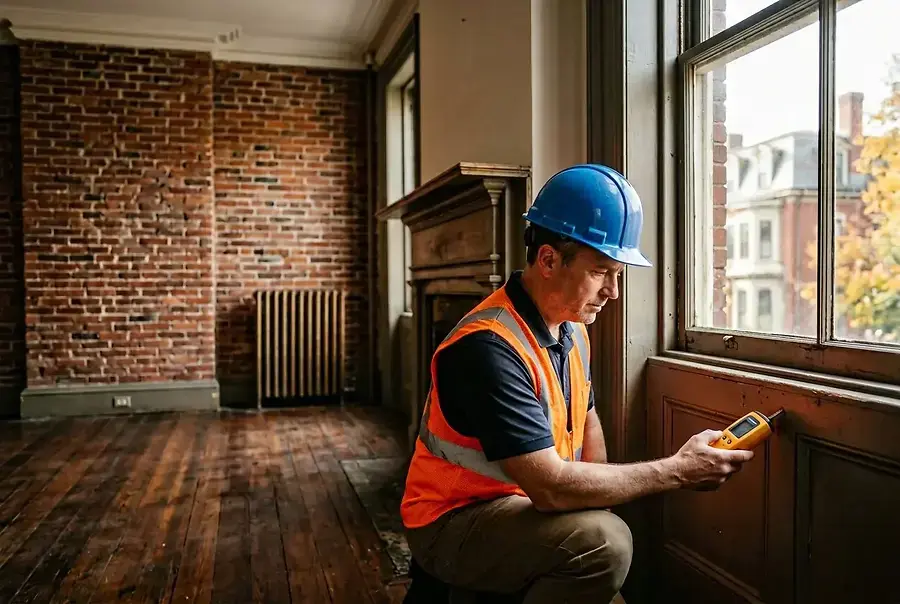
Why Home Inspections Matter in Providence's Historic Housing Market
Providence's real estate market is characterized by beautiful historic homes with unique architectural charm. However, many of these properties come with age-related challenges that require careful evaluation. A professional home inspection is not just a formality—it's a critical step that can save you thousands of dollars and prevent costly surprises after closing.
Whether you're purchasing a Victorian-era mansion on College Hill or a charming colonial in the Federal Hill neighborhood, understanding what a home inspection entails is essential. This guide will help you navigate the inspection process with confidence and make informed decisions about your Providence home purchase.
Understanding the Home Inspection Process and What Inspectors Look For
The Inspection Timeline and What to Expect
A typical home inspection in Providence takes between two to four hours, depending on the property's size and age. Licensed inspectors examine both the interior and exterior of the home, creating a detailed report of their findings. As a buyer, you have the right to be present during the inspection and ask questions about any concerns.
Key Areas Inspectors Evaluate
Professional home inspectors focus on several critical systems and components:
- Structural Integrity: Foundation, walls, roof, and overall structural soundness
- Roofing: Age, condition, and remaining lifespan of roofing materials
- Electrical Systems: Wiring, panels, outlets, and safety compliance
- Plumbing: Water pressure, drainage, pipe condition, and potential leaks
- HVAC Systems: Heating, cooling, and ventilation functionality
- Insulation and Ventilation: Energy efficiency and moisture control
- Windows and Doors: Sealing, operation, and weatherproofing
- Basement and Crawl Spaces: Water intrusion, mold, and structural issues
What Inspectors Don't Cover
It's important to understand that standard home inspections have limitations. Inspectors typically do not assess pest infestations, environmental hazards like asbestos or lead paint, or provide detailed cost estimates for repairs. You may need specialized inspections for these concerns, which is particularly relevant for Providence's older homes.
Common Issues Found in Providence Homes and How to Address Them
Water Damage and Moisture Problems
Providence's humid climate and older construction methods make water damage a frequent concern. Look for signs of water staining, mold growth, and dampness in basements and crawl spaces. Action: Request a moisture assessment and budget for potential waterproofing solutions or foundation repairs.
Outdated Electrical Systems
Many historic Providence homes still have knob-and-tube wiring or inadequate electrical capacity. These systems pose safety risks and may not support modern appliances and technology. Action: Obtain quotes from licensed electricians for panel upgrades or complete rewiring if necessary.
Aging Plumbing
Original cast iron or galvanized pipes in older homes can corrode and fail. This is a common issue in Providence's pre-1950s housing stock. Action: Have a plumber assess the plumbing system and provide estimates for replacement or repairs.
Roof Deterioration
Asphalt shingles typically last 15-20 years. If your inspection reveals an aging roof, factor in replacement costs. Action: Get a roofing contractor's assessment and include roof replacement in your negotiation strategy.
Lead Paint and Asbestos
Homes built before 1978 likely contain lead paint, and many older Providence properties may have asbestos in insulation or floor tiles. While not always dangerous if undisturbed, these materials require professional handling. Action: Request specialized testing and develop a management plan with qualified contractors.
HVAC System Age
Heating systems in older homes may be inefficient or nearing the end of their lifespan. Furnaces typically last 15-20 years. Action: Budget for potential replacement and consider energy-efficient upgrades.
Using Inspection Reports to Negotiate Better Terms and Protect Your Investment
Analyzing Your Inspection Report
Once you receive the inspection report, take time to review it carefully. Reports typically categorize findings by severity—from minor cosmetic issues to major structural concerns. Focus on major items that affect safety, functionality, or significantly impact property value.
Negotiation Strategies
Your inspection report is a powerful negotiation tool. You have several options:
- Request Repairs: Ask the seller to fix major issues before closing
- Request Credits: Negotiate a credit toward closing costs to handle repairs yourself
- Request Price Reduction: Ask for a lower purchase price to account for needed repairs
- Walk Away: If issues are too severe or costly, you may have grounds to terminate the purchase
Prioritizing Repairs and Budgeting
Not every inspection finding requires immediate action. Prioritize repairs that affect:
- Safety and structural integrity
- Major systems (electrical, plumbing, HVAC)
- Water intrusion and moisture control
- Code compliance issues
Cosmetic issues and minor repairs can often be addressed over time as your budget allows.
Getting Contractor Estimates
Before negotiating, obtain written estimates from licensed contractors for major repairs. This gives you concrete numbers to reference during negotiations and helps you make informed decisions about the property's true cost of ownership.
Protecting Your Investment Long-Term
Use the inspection report as a foundation for ongoing home maintenance. Address recommended repairs promptly and maintain detailed records of all work completed. This protects your investment and ensures the home remains safe and functional for years to come.
A thorough home inspection is one of the most important investments you can make when purchasing a Providence home. It provides peace of mind and empowers you to make decisions based on facts rather than assumptions.
Final Thoughts
Purchasing a home in Providence is an exciting opportunity to own a piece of the city's rich history. By understanding the inspection process, knowing what to look for in older homes, and using inspection reports strategically, you can protect your investment and ensure your new home is safe, functional, and worth the price you're paying. Don't skip this crucial step—your future self will thank you.


