Essential Home Inspection Guide for Puget Sound Residential Buyers
Master the critical inspection checklist that protects your investment in Washington's competitive residential markets.

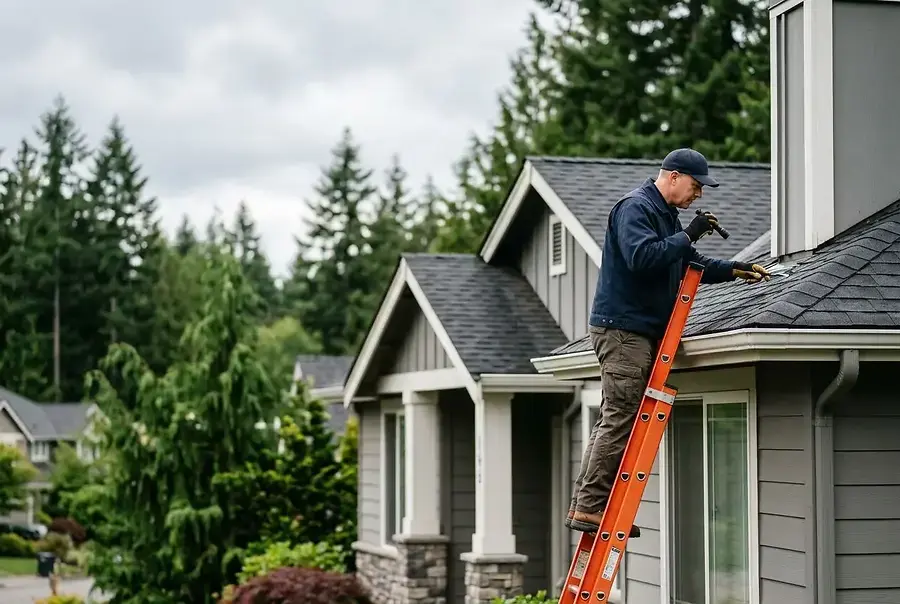
What Home Inspectors Look For in Pacific Northwest Properties
When purchasing a home in the Puget Sound region, a professional home inspection is one of the most critical steps in the buying process. Home inspectors conduct a thorough examination of residential properties, evaluating structural integrity, mechanical systems, and overall safety. Understanding what inspectors prioritize helps you make informed decisions about your investment.
Inspectors begin with the foundation and structural components, looking for cracks, settling, water damage, and signs of foundation movement. The Pacific Northwest's wet climate makes moisture intrusion a primary concern. They examine roofing systems, checking for missing shingles, proper drainage, and signs of leaks that could lead to costly water damage.
The electrical system receives careful attention, including panel condition, grounding, and outlet safety. Plumbing systems are tested for proper water pressure, drainage, and potential corrosion issues. HVAC systems are evaluated for functionality, age, and maintenance needs. Inspectors also assess insulation and ventilation, which are crucial for energy efficiency in our climate.
Environmental and Regional Considerations
Pacific Northwest properties require special attention to moisture management and mold potential. Inspectors look for proper grading, functioning gutters, and adequate drainage systems. They assess radon levels, which can be elevated in certain areas. Seismic safety features are also evaluated, given the region's earthquake risk.
Common Issues Found in Redmond, Seattle, Tacoma, and Surrounding Homes
Homes throughout the Puget Sound area share common vulnerabilities related to our climate and construction practices. Recognizing these issues helps you anticipate potential repairs and negotiate accordingly.
Water Damage and Moisture Issues
The most prevalent problem in our region is water intrusion and moisture damage. Older homes frequently show signs of:
- Roof leaks causing attic and ceiling damage
- Foundation cracks allowing water seepage
- Compromised basement waterproofing
- Rotted wood siding and trim
- Mold growth in crawl spaces and bathrooms
Aging Systems and Components
Many homes in Seattle, Redmond, and Tacoma were built decades ago with systems nearing the end of their lifespan. Common findings include:
- Outdated electrical panels with insufficient capacity for modern needs
- Galvanized plumbing prone to corrosion and reduced water pressure
- Original HVAC systems requiring replacement or significant repairs
- Asbestos materials in older insulation, roofing, and flooring
Structural and Foundation Concerns
Inspectors frequently identify:
- Settling and foundation movement in homes built on clay soils
- Inadequate or deteriorating crawl space supports
- Insufficient seismic bracing in older construction
- Deck safety issues and deteriorating wood components
How to Use Inspection Reports to Negotiate Better Offers
A comprehensive inspection report is your most powerful negotiating tool. Understanding how to leverage findings can save you thousands of dollars.
Prioritizing Inspection Findings
Not all issues carry equal weight. Safety concerns and major system failures should be your primary focus. These include:
- Structural problems affecting home safety
- Roof leaks and water damage
- Electrical hazards
- Plumbing failures
- HVAC system replacement needs
Minor cosmetic issues and routine maintenance items are less critical for negotiation purposes.
Negotiation Strategies
Request seller repairs or credits for significant issues. You have three main options:
- Seller repairs: The seller fixes issues before closing
- Repair credits: The seller provides funds at closing for you to hire contractors
- Price reduction: The purchase price is reduced to account for repairs
Obtain multiple contractor estimates for major repairs. This gives you concrete numbers for negotiations and prevents inflated repair claims. Be reasonable in your requests—sellers are more likely to negotiate fairly when demands are justified and realistic.
Using Professional Guidance
Work with your real estate agent and a qualified home inspector to understand which issues are negotiable and which are standard for homes in your price range and age category.
Your inspector can often provide repair cost estimates and prioritize issues by urgency. This professional perspective strengthens your negotiating position.
Protecting Your Investment: Next Steps After Inspection
The inspection process doesn't end with the report. Taking strategic steps afterward ensures you're fully protected.
Post-Inspection Actions
Schedule a follow-up walk-through before closing to verify that agreed-upon repairs were completed properly. Request documentation of any work performed by the seller.
Obtain warranties and documentation for any repairs or replacements. Keep records of all inspection reports, repair estimates, and contractor information for future reference.
Planning for Future Maintenance
Use inspection findings to develop a maintenance and repair timeline. Budget for upcoming system replacements and preventive maintenance. Address deferred maintenance promptly to prevent minor issues from becoming major problems.
Consider specialized inspections for specific concerns, such as:
- Radon testing
- Mold assessment
- Pest and termite inspection
- Septic system evaluation (if applicable)
- Well water testing (if applicable)
Building Your Support Network
Establish relationships with qualified contractors in your area for future repairs and maintenance. Keep contact information for your home inspector—they're valuable resources for understanding your home's systems and addressing concerns as they arise.
Document everything about your home, including inspection reports, repair receipts, and maintenance records. This information proves invaluable for future sales and insurance purposes.
By understanding what inspectors look for, recognizing common regional issues, and using inspection reports strategically, you protect your investment in the competitive Puget Sound real estate market. A thorough inspection process transforms a significant financial commitment into a confident, informed purchase decision.


