Essential Home Inspection Guide for Richardson Property Buyers
Learn what to look for during inspections to avoid costly surprises and make confident purchasing decisions.

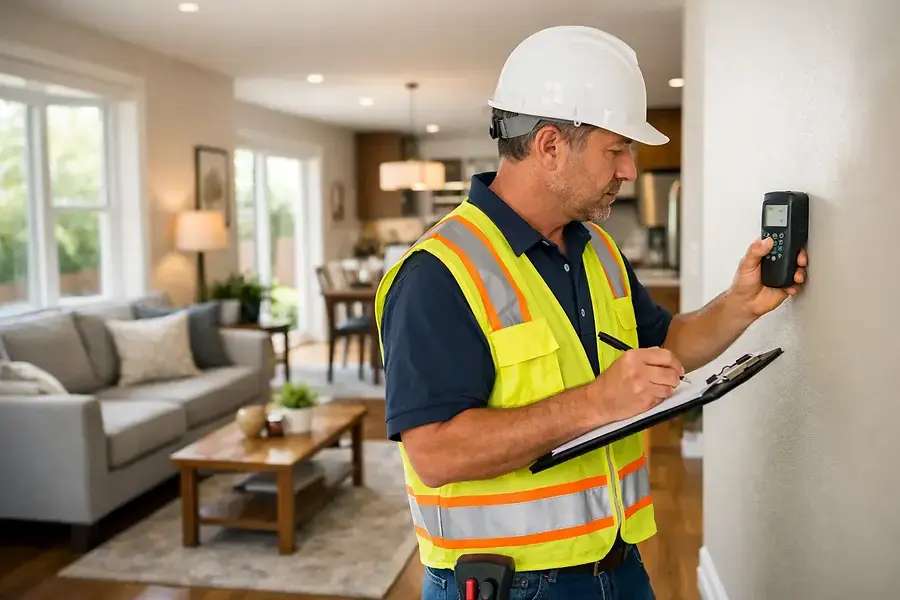
Why Home Inspections Matter in Richardson's Market
Purchasing a home is one of the most significant financial decisions you'll make in your lifetime. In Richardson's competitive real estate market, a thorough home inspection is your best defense against inheriting costly repairs and structural problems. A professional inspection provides an objective assessment of a property's condition, helping you understand exactly what you're investing in.
Many buyers skip or rush through inspections to close deals quickly, but this approach can lead to thousands of dollars in unexpected repairs. Whether you're buying a newly constructed home or a decades-old property, a comprehensive inspection reveals hidden issues that aren't visible during a casual walkthrough. This knowledge empowers you to make informed decisions and negotiate from a position of strength.
Key Areas Professional Inspectors Evaluate in Texas Homes
Structural Integrity and Foundation
The foundation is the backbone of any home. Professional inspectors examine the foundation for cracks, settling, and water damage. In Texas, soil conditions can cause foundation movement, making this inspection particularly critical. They'll look for signs of structural stress in walls, ceilings, and floors that might indicate foundation problems.
Roofing and Exterior
Your roof protects everything beneath it. Inspectors evaluate the roof's age, condition, and remaining lifespan. They check for missing shingles, improper installation, and signs of leaks. The exterior inspection also includes siding, windows, doors, and gutters—all crucial for keeping water out of your home.
Plumbing Systems
Inspectors test water pressure, check for leaks under sinks and around toilets, and examine the water heater. They'll identify outdated pipes that may need replacement and assess the overall functionality of the plumbing system. In older Richardson homes, galvanized pipes may be corroded and require upgrading.
Electrical Systems
A qualified inspector verifies that the electrical panel is properly grounded, checks for adequate outlets, and ensures the home meets current electrical codes. Outdated wiring or overloaded circuits are serious safety concerns that need immediate attention.
HVAC Systems
Heating and cooling systems are essential in Texas. Inspectors test both systems to ensure they operate efficiently and safely. They check the age of the equipment and assess whether major repairs or replacement might be needed soon.
Interior Components
Professional inspectors examine walls, ceilings, and floors for water damage, mold, and pest infestations. They test doors and windows for proper operation and check insulation levels in the attic. Kitchen and bathroom fixtures are evaluated for functionality and condition.
Red Flags and Warning Signs That Require Further Investigation
Water Damage and Mold
Stains on ceilings, walls, or around windows indicate water intrusion. Musty odors or visible mold growth are serious concerns that require professional remediation. Water damage can compromise structural integrity and create health hazards for your family.
Foundation Cracks and Settling
While minor hairline cracks are common, larger cracks or stair-step patterns in brick suggest significant foundation movement. Doors and windows that stick or won't close properly may indicate foundation settling.
Outdated Electrical Systems
Homes with aluminum wiring, cloth-insulated wiring, or insufficient grounding present fire hazards. If the home still has a fuse box instead of a modern circuit breaker panel, upgrades will be necessary.
Plumbing Issues
Low water pressure, slow drains, or signs of previous water damage suggest plumbing problems. Galvanized pipes that are more than 40 years old are likely corroded and should be replaced with copper or PEX piping.
HVAC Concerns
Systems older than 15-20 years may fail soon. If the inspector notes that the system isn't cooling or heating adequately, replacement costs could be substantial. Refrigerant leaks in air conditioning systems are another red flag.
Pest Infestations
Signs of termites, rodents, or other pests require immediate professional treatment. Termite damage can be extensive and expensive to repair, making this a critical inspection point.
Roof Deterioration
A roof nearing the end of its lifespan will need replacement within a few years. Missing shingles, granule loss, or sagging sections indicate imminent failure. Roof replacement is one of the most expensive home repairs.
Using Inspection Reports to Negotiate and Protect Your Investment
Once you receive the inspection report, you have several options. Don't ignore findings—use them strategically. For minor issues, you might proceed without negotiation. For significant problems, you can request that the seller make repairs before closing, ask for a credit to cover repair costs, or renegotiate the purchase price.
Get repair estimates from licensed contractors for major issues. This gives you concrete numbers to present during negotiations. Some sellers will prefer to reduce the price rather than handle repairs themselves, allowing you to choose your own contractors.
Never waive the inspection contingency. This clause protects you by allowing you to back out or renegotiate if serious problems are discovered. It's your safety net in the purchasing process.
Keep the inspection report for future reference. It documents the home's condition at the time of purchase and serves as a baseline for maintenance planning. Share relevant sections with your homeowner's insurance agent, as some findings may affect your coverage or premiums.
A thorough home inspection is an investment in peace of mind. By understanding what inspectors evaluate and knowing which warning signs demand attention, you'll make a confident, informed decision about your Richardson property purchase. Don't let the excitement of finding your dream home override the importance of due diligence. A professional inspection protects your investment and ensures you're making the best financial decision for your future.


