Essential Home Inspection Guide for Richmond Area Home Buyers
Protect your investment by knowing what to look for when inspecting homes throughout Greater Richmond and surrounding communities.

Introduction: Why Professional Home Inspections Matter for Richmond Buyers
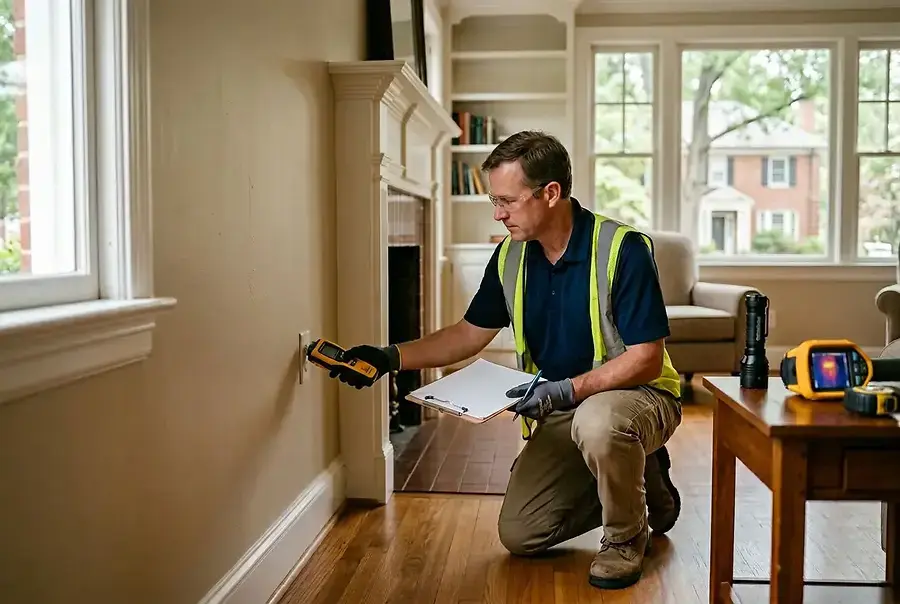
Purchasing a home is one of the most significant financial decisions you'll make in your lifetime. For buyers in the Richmond area and surrounding communities, a professional home inspection is not just a recommendation—it's an essential safeguard for your investment. A thorough inspection can reveal hidden problems that might cost thousands of dollars to repair after closing, giving you the knowledge and leverage needed to make informed decisions.
Many first-time homebuyers underestimate the importance of inspections, viewing them as an unnecessary expense. However, the average cost of a home inspection—typically between $300 and $500—is minimal compared to the potential costs of discovering major issues after purchase. In the Richmond area's diverse housing market, ranging from historic homes to modern developments, inspections are particularly crucial.
Key Areas to Inspect: Structural, Systems, and Safety Concerns
Structural Integrity
The foundation and overall structural integrity of a home form the backbone of its value and safety. During an inspection, professionals examine the foundation for cracks, settling, or water damage. In Richmond's climate, where moisture and humidity can be significant concerns, foundation issues are particularly important to assess.
Inspectors also evaluate:
- Roof condition and remaining lifespan
- Wall framing and support beams
- Signs of wood rot or termite damage
- Basement or crawl space conditions
Electrical and Plumbing Systems
Electrical systems require careful evaluation to ensure safety and compliance with current codes. Inspectors check the electrical panel, wiring, outlets, and grounding. Older Richmond homes may have outdated electrical systems that could pose fire hazards or be insufficient for modern appliance demands.
Plumbing systems are equally critical. Inspectors test water pressure, check for leaks, examine pipe materials, and assess the water heater's condition. In Richmond's older neighborhoods, galvanized pipes and outdated plumbing may need replacement, which can be a substantial expense.
HVAC and Climate Control
The heating, ventilation, and air conditioning system is essential for comfort and energy efficiency. Inspectors evaluate the furnace or heat pump, air conditioning unit, ductwork, and thermostat functionality. Given Richmond's hot, humid summers and mild winters, an efficient HVAC system is crucial for year-round comfort.
Safety Features
Professional inspectors verify the presence and functionality of:
- Smoke and carbon monoxide detectors
- Proper handrails and stair safety
- Adequate ventilation in bathrooms and kitchens
- Ground fault circuit interrupters (GFCIs) in wet areas
- Fire extinguishers and emergency exits
Red Flags and Common Issues Found in Richmond Area Homes
Water Damage and Moisture Problems
Richmond's humid climate makes water damage a common concern. Look for signs of water intrusion in basements, attics, and crawl spaces. Staining on ceilings or walls, musty odors, and visible mold indicate moisture problems that could lead to structural damage and health issues.
Roof Issues
Many Richmond homes have roofs nearing the end of their lifespan. Missing or damaged shingles, sagging roof lines, and deteriorated flashing are red flags. A roof replacement can cost $10,000 or more, making this a critical inspection point.
Outdated Systems
Homes built before the 1980s may contain:
- Asbestos in insulation, floor tiles, or roofing materials
- Lead-based paint (common in pre-1978 homes)
- Aluminum wiring, which poses fire risks
- Outdated plumbing and electrical systems
HVAC Concerns
Aging heating and cooling systems are frequent issues in older Richmond properties. Systems over 15 years old may be inefficient and prone to failure, requiring replacement before long.
Foundation and Structural Problems
Cracks in foundations, uneven floors, or doors that don't close properly may indicate settling or structural movement. While minor settling is normal, significant issues require professional assessment and potential repair.
Conclusion: Using Inspection Results to Negotiate and Protect Your Purchase
Once you receive the inspection report, you have several options. Minor issues might be acceptable as-is, while significant problems provide leverage for negotiation. You can request that the seller make repairs, offer a credit toward closing costs, or reduce the purchase price to account for future repairs.
In some cases, inspection results may reveal problems serious enough to reconsider the purchase entirely. This is particularly valuable information that protects you from inheriting costly repairs.
Key takeaways for Richmond area home buyers:
- Always hire a certified, experienced home inspector
- Attend the inspection to ask questions and learn about the property
- Request a detailed written report with photos and recommendations
- Use inspection results as a negotiation tool
- Budget for identified repairs or replacements in your financial planning
- Don't skip the inspection to save money—it's one of the best investments you can make
A professional home inspection is your opportunity to thoroughly understand the condition of your potential investment. By knowing what to look for and understanding common issues in the Richmond area, you can make confident, informed decisions that protect your financial future and ensure you're purchasing a safe, sound home for you and your family.


