Essential Home Inspection Guide for Richmond Residential Buyers
Discover what professional inspectors evaluate to help you make confident purchasing decisions in Richmond's competitive market.

Why Home Inspections Matter in Richmond
Purchasing a home is one of the most significant financial decisions you'll make, and in Richmond's competitive real estate market, a professional home inspection is your safeguard against costly surprises. A thorough inspection provides an objective assessment of a property's condition, helping you understand exactly what you're investing in.
Home inspections serve multiple purposes: they reveal hidden defects, identify maintenance needs, and provide leverage for negotiations. Whether you're a first-time buyer or an experienced investor, understanding the inspection process empowers you to make informed decisions and protect your investment.
Common Issues Found in Richmond Homes: Age, Climate, and Foundation Concerns
Age-Related Wear and Tear
Richmond's housing stock includes many historic and older homes, which come with unique challenges. Common age-related issues include:
- Outdated electrical systems that may not meet current safety standards
- Aging plumbing with potential lead pipes or corroded connections
- Deteriorating roofing materials nearing the end of their lifespan
- Settling foundations that may cause minor cracks or structural shifts
Climate-Related Damage
Richmond's humid subtropical climate creates specific challenges for homeowners. Moisture-related problems are particularly common:
- Mold and mildew growth in basements and crawl spaces
- Wood rot in exterior trim, decks, and siding
- Gutter and drainage issues leading to water intrusion
- HVAC strain from seasonal temperature extremes
Foundation Concerns
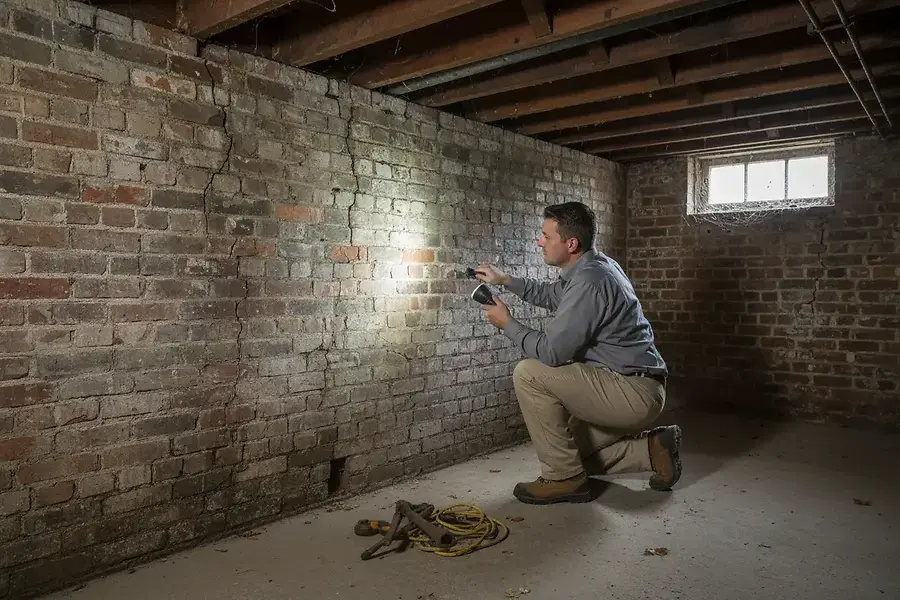
Richmond's clay-heavy soil composition can cause foundation movement. Inspectors pay close attention to cracks in foundations, uneven floors, and signs of water damage that may indicate settling or moisture problems. These issues range from cosmetic to serious, and professional assessment is crucial.
What Professional Inspectors Look For: A Room-by-Room Breakdown
Exterior and Structural Elements
Inspectors begin outside, examining the roof, gutters, siding, windows, and doors. They assess:
- Roof condition, flashing, and remaining lifespan
- Proper grading and drainage away from the foundation
- Cracks or deterioration in exterior walls
- Functionality of windows and doors
Foundation and Basement
The foundation inspection is critical. Inspectors look for horizontal cracks, efflorescence (white mineral deposits), water stains, and signs of previous flooding. They also evaluate basement moisture control and any evidence of water intrusion or mold.
Electrical System
A comprehensive electrical inspection includes checking the main panel, circuit breakers, outlets, and wiring. Inspectors verify that the system meets current safety codes and can handle the home's electrical demands. Outdated or unsafe electrical systems are common findings in older Richmond homes.
Plumbing System
Inspectors test water pressure, check for leaks, examine visible pipes, and assess the water heater. They look for:
- Signs of corrosion or deterioration
- Proper venting and drainage
- Water heater age and condition
- Presence of outdated materials like galvanized pipes
HVAC System
The heating and cooling system is evaluated for age, functionality, and maintenance. Inspectors check filters, thermostat operation, and overall efficiency. They also assess whether the system is appropriately sized for the home.
Interior Spaces
Room-by-room inspections include checking walls, ceilings, floors, and built-in features. Inspectors look for water damage, structural issues, and signs of pest infestation. Attic inspections are particularly important, as they reveal insulation levels, ventilation, and potential roof leaks.
Negotiating Repairs and Moving Forward with Confidence
Understanding Your Inspection Report
Once the inspection is complete, you'll receive a detailed report categorizing findings by severity. Major issues require immediate attention, while minor concerns may be deferred. Understanding this distinction helps you prioritize and budget appropriately.
Negotiation Strategies
Armed with inspection findings, you have several options:
- Request repairs: Ask the seller to fix major issues before closing
- Request credits: Negotiate a price reduction to cover repair costs yourself
- Walk away: If issues are too extensive, you may choose to pursue another property
- Accept as-is: For minor issues, you might proceed without negotiations
In Richmond's competitive market, be strategic. Sellers are more likely to negotiate on structural or safety issues than cosmetic concerns. Get repair estimates from licensed contractors to support your negotiation position with concrete numbers.
Moving Forward with Confidence
A thorough home inspection transforms uncertainty into knowledge. Whether you discover minor maintenance needs or significant concerns, you're making your purchasing decision with full transparency. This confidence is invaluable as you commit to your new Richmond home.
Remember: a professional home inspection is not just about finding problems—it's about understanding your investment completely. Take time to review the report, ask your inspector questions, and consult with contractors if needed. Your future self will thank you for the diligence you invest today.


