Essential Home Inspection Guide for Ruther Glen Property Buyers
Protect your investment by knowing exactly what to look for during a professional home inspection.

Introduction: Why Home Inspections Matter in Ruther Glen
Purchasing a home is one of the most significant financial decisions you'll make in your lifetime. In Ruther Glen, where the real estate market continues to grow, protecting your investment through a thorough home inspection is absolutely essential. A professional home inspection provides you with a detailed understanding of your potential property's condition, helping you avoid costly surprises after closing.
Many first-time homebuyers underestimate the importance of a comprehensive inspection. What appears to be a charming property on the surface may hide underlying issues that could cost thousands of dollars to repair. By understanding what inspectors look for and why it matters, you can make informed decisions that protect both your wallet and your family's safety.
Structural and Foundation Assessment
Foundation Evaluation
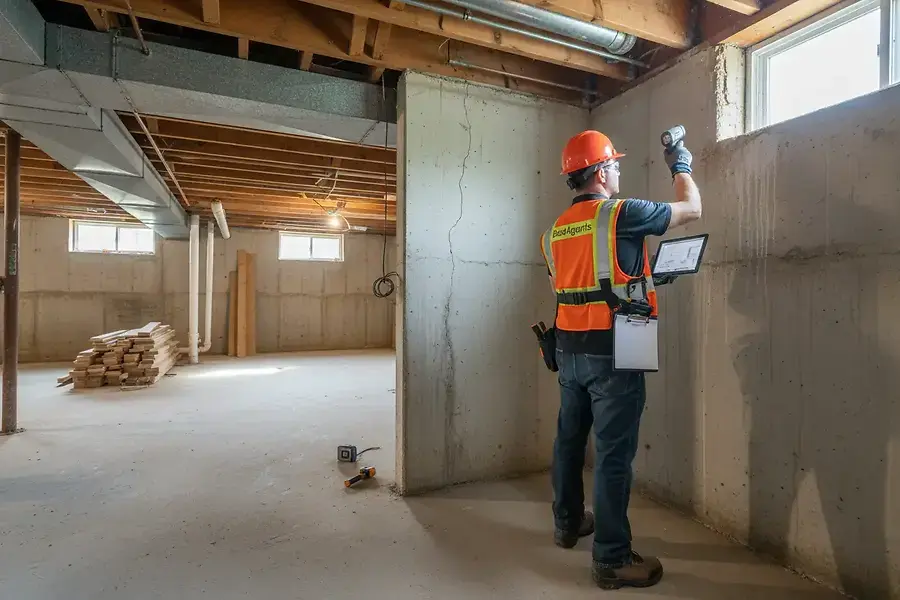
The foundation is the backbone of any home. During a professional inspection, experts will examine the foundation for signs of settling, cracks, water damage, and structural movement. In Ruther Glen, where soil conditions and weather patterns vary, foundation issues can develop over time and become expensive to repair.
Key areas inspectors evaluate include:
- Visible cracks in the foundation walls or floor
- Signs of water intrusion or moisture damage
- Uneven settling or gaps between walls and floors
- Proper drainage around the foundation perimeter
- Basement or crawl space conditions
Roof and Exterior Structure
Your roof protects everything beneath it, making its condition critical to your home's longevity. Inspectors will assess the roof's age, material condition, and remaining lifespan. They'll look for missing or damaged shingles, improper flashing, and signs of leaks.
The exterior structure also receives careful attention. This includes examining walls for damage, checking the condition of siding or brick, inspecting windows and doors for proper sealing, and evaluating the overall weatherproofing of your potential home. A well-maintained exterior can prevent costly water damage and structural deterioration.
Interior Structural Elements
Beyond the obvious foundation and roof, inspectors examine interior structural components including walls, ceilings, and support beams. They look for signs of water damage, pest infestation, and structural integrity issues that could affect the home's safety and value.
Systems and Safety Checks: HVAC, Electrical, and Plumbing
HVAC Systems
Heating, ventilation, and air conditioning systems are essential for comfort and indoor air quality. During inspection, professionals test both heating and cooling systems to ensure they operate properly. They'll assess the age of the equipment, check for proper airflow, and identify any maintenance issues.
Important HVAC considerations:
- Age and condition of furnace or heat pump
- Proper functioning of air conditioning units
- Ductwork integrity and insulation
- Thermostat operation and accuracy
- Filter accessibility and maintenance requirements
Electrical Systems
A safe electrical system is non-negotiable. Home inspectors examine the main electrical panel, checking for proper grounding, appropriate circuit breaker sizing, and any signs of overloading or damage. They test outlets throughout the home to ensure proper grounding and polarity.
Outdated electrical systems or improper installations can pose serious fire hazards and safety risks to your family.
Inspectors will also identify any outdated wiring, such as aluminum wiring, which can present safety concerns. They'll verify that the home has adequate electrical capacity for modern appliances and devices, which is particularly important if you plan to add electric vehicle charging or other high-demand equipment.
Plumbing Systems
Water damage is one of the most common and costly issues in homes. Professional inspectors test all plumbing fixtures, check for leaks, and assess water pressure throughout the home. They examine visible pipes for corrosion, proper support, and signs of previous repairs.
Critical plumbing elements include:
- Water main shut-off location and functionality
- Condition of visible pipes and connections
- Proper drainage in sinks, showers, and toilets
- Water heater age and condition
- Septic system or sewer line functionality
- Evidence of past water damage or mold
The water heater deserves special attention, as replacement can be a significant expense. Inspectors will note its age and condition, helping you budget for future replacement if necessary.
Conclusion: Making Informed Decisions with Inspection Results
A comprehensive home inspection report provides you with detailed information about your potential property's condition. Armed with this knowledge, you can make informed decisions about your purchase, negotiate repairs or credits with the seller, or decide whether the property aligns with your needs and budget.
Remember that a home inspection is an investment in your peace of mind and financial security. Don't skip this crucial step or choose an inspector based solely on price. A thorough professional inspection can reveal issues that might otherwise go unnoticed until after you've closed on the property.
Take time to review the inspection report carefully, ask your inspector questions about any concerns, and consult with contractors if you need clarification on repair costs. By understanding what inspectors look for and why it matters, you're taking an active role in protecting your investment and ensuring your new Ruther Glen home is safe, sound, and ready for your family.


