Essential Home Inspection Guide for Saint Charles Homebuyers
Master the critical inspection process to protect your investment and avoid costly surprises in your new home.

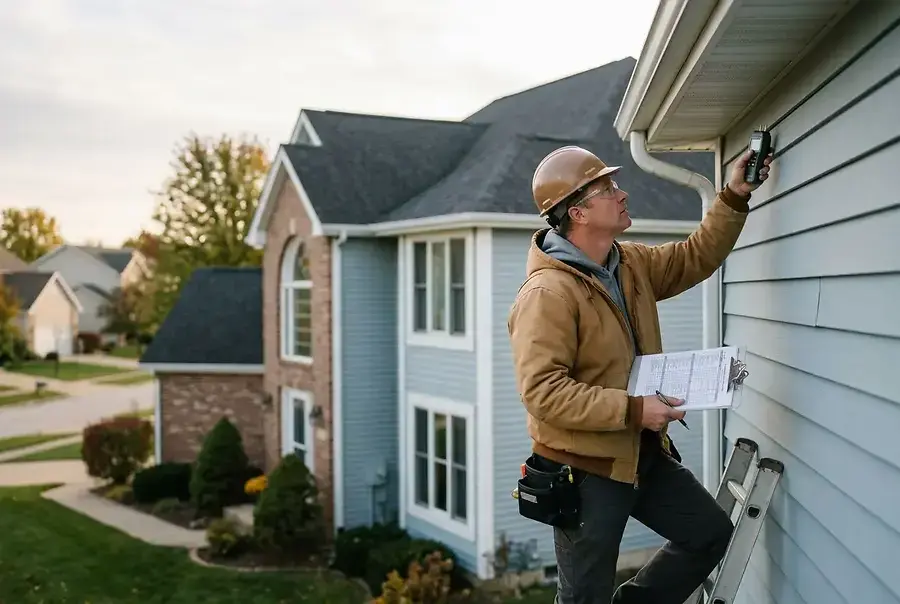
Why Home Inspections Matter: Uncovering Hidden Issues Before Closing
Purchasing a home is one of the most significant financial decisions you'll make in your lifetime. A professional home inspection is your safeguard against inheriting costly problems that aren't visible to the untrained eye. Many homebuyers in Saint Charles overlook this critical step or rush through it, only to discover expensive repairs after closing.
A thorough home inspection can reveal structural issues, electrical problems, plumbing defects, and safety hazards that could cost thousands of dollars to repair. By investing in a professional inspection before closing, you gain valuable knowledge about your potential investment and negotiate from a position of strength.
The Hidden Costs of Skipping an Inspection
Without a professional inspection, you might discover problems such as:
- Foundation damage that requires extensive repairs
- Roof deterioration leading to costly replacements
- Outdated electrical systems posing fire hazards
- Plumbing issues including hidden leaks and water damage
- HVAC failures requiring immediate replacement
- Mold and moisture problems affecting health and structural integrity
These issues can easily cost $10,000 to $50,000 or more to address after you've already closed on the property. A professional inspection typically costs $300-$500 and can save you from financial disaster.
What Professional Inspectors Evaluate: A Room-by-Room Breakdown
Understanding what a professional inspector examines helps you ask informed questions and recognize potential concerns. Here's what you can expect during a comprehensive home inspection:
Exterior and Foundation
Inspectors begin by examining the home's exterior, including the roof, siding, gutters, and foundation. They look for signs of water damage, settling, cracks, and deterioration. The foundation is particularly critical, as repairs can be extremely expensive and affect the entire structure.
Structural Components
The inspector evaluates the home's framing, walls, and overall structural integrity. They assess whether the house is settling unevenly and check for signs of pest damage or wood rot that could compromise the building's stability.
Roofing System
Your roof is your home's first line of defense against the elements. Inspectors examine shingles, flashing, gutters, and downspouts. They estimate the roof's remaining lifespan and identify any areas needing repair or replacement.
Electrical System
A thorough electrical inspection includes checking the main panel, circuit breakers, outlets, and wiring. Inspectors verify that the system meets current safety codes and can handle modern electrical demands. Outdated or faulty electrical systems pose serious fire hazards.
Plumbing and Water Systems
Inspectors test water pressure, check for leaks, examine pipes for corrosion, and verify that the water heater functions properly. They also inspect drainage systems and look for signs of water damage or mold growth caused by plumbing issues.
HVAC Systems
The heating, ventilation, and air conditioning systems are evaluated for proper operation and maintenance. Inspectors check furnaces, air conditioners, and ductwork to ensure they're functioning efficiently and safely.
Interior Spaces
Room-by-room inspections include checking windows, doors, flooring, walls, and ceilings. Inspectors look for signs of water damage, mold, pest infestation, and structural issues. They also verify that safety features like smoke detectors and carbon monoxide detectors are present and functional.
How to Review and Negotiate Inspection Results with Your Seller
Once you receive the inspection report, take time to carefully review the findings. Don't be alarmed by every item listed—inspectors often note minor issues alongside serious concerns.
Prioritizing Inspection Findings
Categorize issues into three groups:
- Critical issues that affect safety or structural integrity
- Major repairs that will be expensive but aren't immediately dangerous
- Minor items that are cosmetic or low-cost fixes
Focus your negotiations on critical and major issues. Minor cosmetic problems are typically the buyer's responsibility after closing.
Negotiation Strategies
You have several options when addressing inspection issues:
- Request repairs: Ask the seller to fix critical issues before closing
- Request credits: Negotiate a price reduction to cover repair costs yourself
- Request inspections: Ask for specialized inspections on specific systems (roof, foundation, etc.)
- Walk away: If issues are too severe or costly, you may choose to terminate the purchase
Approach negotiations professionally and reasonably. Sellers are more likely to cooperate if your requests focus on legitimate safety and structural concerns rather than minor cosmetic issues.
Getting Specialized Inspections
If the general inspection reveals potential problems with specific systems, consider hiring specialists. A structural engineer, roofer, or plumber can provide detailed assessments and repair estimates that strengthen your negotiating position.
Next Steps: Using Inspection Reports to Make Confident Decisions
The inspection report is a powerful tool that extends beyond the negotiation phase. Use it to plan future maintenance and budget for upcoming repairs.
Creating a Maintenance Plan
Review the inspector's recommendations for routine maintenance. Items like roof cleaning, gutter maintenance, and HVAC servicing can prevent costly problems down the road. Set reminders for seasonal maintenance tasks to keep your home in excellent condition.
Planning for Future Repairs
The inspection report often includes estimates for the remaining lifespan of major systems. If your roof has 5-7 years remaining, start budgeting now for replacement. Understanding these timelines helps you avoid financial surprises.
Building Your Home Improvement Timeline
Prioritize repairs and improvements based on urgency and budget. Address critical safety issues immediately, tackle major repairs within the first year, and plan cosmetic upgrades as your budget allows.
A professional home inspection is an investment in your peace of mind and financial security. By understanding what inspectors evaluate, carefully reviewing results, and negotiating effectively with sellers, you protect yourself from costly surprises and make a confident decision about your Saint Charles home purchase. Don't rush this critical step—take the time to thoroughly evaluate your potential investment before signing on the dotted line.


