Essential Home Inspection Guide for San Francisco Buyers and Sellers
Discover what professional inspectors evaluate and how to use inspection reports to make confident real estate decisions in San Francisco.

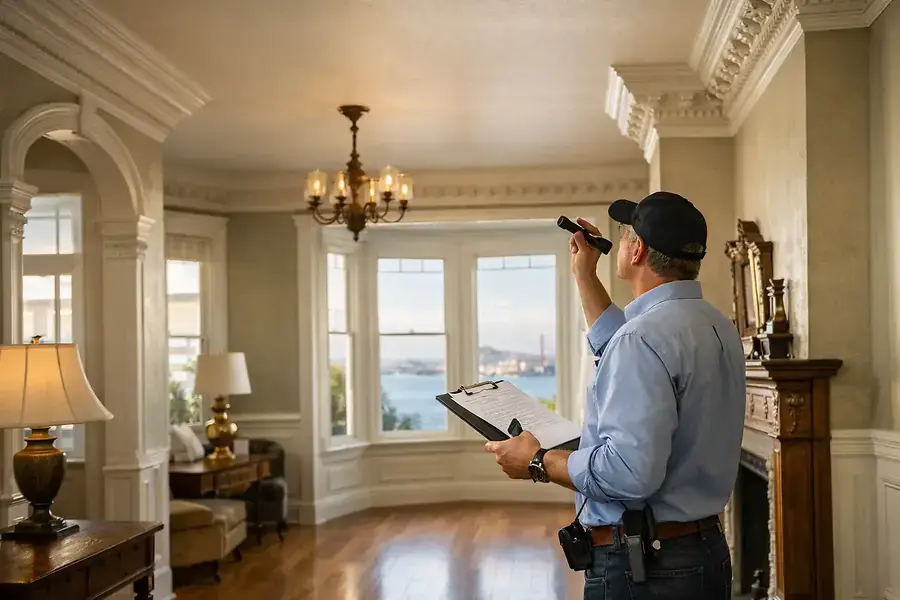
Why Home Inspections Are Critical in San Francisco's Market
In San Francisco's competitive real estate market, a professional home inspection is not just a formality—it's a crucial investment in your financial future. Whether you're buying or selling, understanding what inspectors evaluate can mean the difference between a sound investment and a costly mistake.
San Francisco's unique housing stock, ranging from Victorian homes built over a century ago to modern condominiums, presents diverse inspection challenges. A thorough inspection protects buyers from inheriting expensive problems and helps sellers address issues proactively before listing their properties. In a market where properties command premium prices, even small defects can significantly impact negotiations and final sale prices.
The inspection process provides both parties with objective, third-party documentation of a property's condition. This transparency builds confidence and enables informed decision-making throughout the transaction.
What Professional Inspectors Examine in San Francisco Properties
Structural Components and Foundation
Inspectors begin by evaluating the foundation, walls, and overall structural integrity. In San Francisco, where seismic activity is a concern, structural soundness is paramount. They look for:
- Foundation cracks and settling issues
- Water damage and moisture intrusion
- Proper bracing and seismic reinforcement
- Beam and joist conditions
Roofing and Exterior
The roof protects everything beneath it, making its condition critical. Inspectors assess:
- Roof material age and remaining lifespan
- Flashing and gutter conditions
- Exterior walls, siding, and paint integrity
- Windows and door seals
- Drainage systems and grading
Plumbing and Water Systems
San Francisco's older homes often have aging plumbing systems. Inspectors evaluate:
- Pipe materials and corrosion levels
- Water pressure and flow rates
- Drain functionality
- Water heater condition and capacity
- Potential lead or asbestos presence
Electrical Systems
Electrical safety is non-negotiable. Professional inspectors examine:
- Panel capacity and condition
- Grounding and bonding
- Outlet and switch functionality
- Outdated wiring systems
- Code compliance issues
HVAC and Climate Control
Heating and cooling systems are essential for comfort. Inspectors check:
- Furnace or boiler age and efficiency
- Air conditioning functionality
- Ductwork condition
- Thermostat operation
Interior Components
Inspectors also evaluate interior elements including walls, ceilings, flooring, cabinets, and appliances. They assess for water damage, pest activity, and general wear and tear.
Common Issues Found in Bay Area Homes and Solutions to Address Them
Seismic Vulnerabilities
Many San Francisco homes lack proper seismic bracing. This is a critical safety concern in earthquake-prone regions. Solutions include:
- Installing foundation bolting
- Adding cripple wall bracing
- Securing water heaters and appliances
Outdated Plumbing
Galvanized pipes and cast iron drains are common in older homes and prone to corrosion. Remedies include:
- Replacing with copper or PEX piping
- Upgrading to modern drain systems
- Installing water filtration systems
Electrical System Deficiencies
Older homes may have insufficient electrical capacity or outdated wiring. Address these by:
- Upgrading the electrical panel
- Replacing knob-and-tube wiring
- Adding dedicated circuits for modern appliances
Moisture and Water Damage
San Francisco's coastal climate can lead to moisture problems. Prevention and solutions include:
- Improving drainage and grading
- Sealing cracks and gaps
- Installing or upgrading gutters
- Addressing basement or crawl space moisture
Roof and Exterior Deterioration
Weather exposure takes its toll on roofs and exteriors. Typical solutions involve:
- Roof replacement or repair
- Repainting or re-siding
- Replacing damaged windows
Pest Infestations
Termites and other pests are concerns in the Bay Area. Treatment options include:
- Professional pest control services
- Structural repairs to eliminate entry points
- Regular monitoring and maintenance
Leveraging Inspection Results to Negotiate Better Offers
For Buyers
An inspection report is your negotiating tool. Use detailed findings to:
- Request price reductions for significant issues
- Ask sellers to complete repairs before closing
- Negotiate credits for minor cosmetic issues
- Obtain warranties or guarantees for recent work
Don't ignore inspection findings. Even "minor" issues can compound over time, leading to expensive repairs down the road.
For Sellers
Proactive sellers gain competitive advantages. Consider:
- Conducting a pre-listing inspection
- Addressing major issues before marketing
- Providing inspection reports to potential buyers
- Offering warranties on completed repairs
A pre-listing inspection demonstrates transparency and confidence in your property, often resulting in faster sales and better offers.
Making Informed Decisions
Whether buying or selling, use inspection reports to make decisions aligned with your goals and budget. Professional inspections provide the objective information needed to navigate San Francisco's complex real estate market with confidence.
Remember: the cost of a thorough inspection is minimal compared to the potential savings or protection it provides. In San Francisco's high-value market, this investment pays dividends.


