Essential Home Inspection Guide for Sarasota Residential Buyers
What every residential buyer in Sarasota needs to know before closing on their new home.

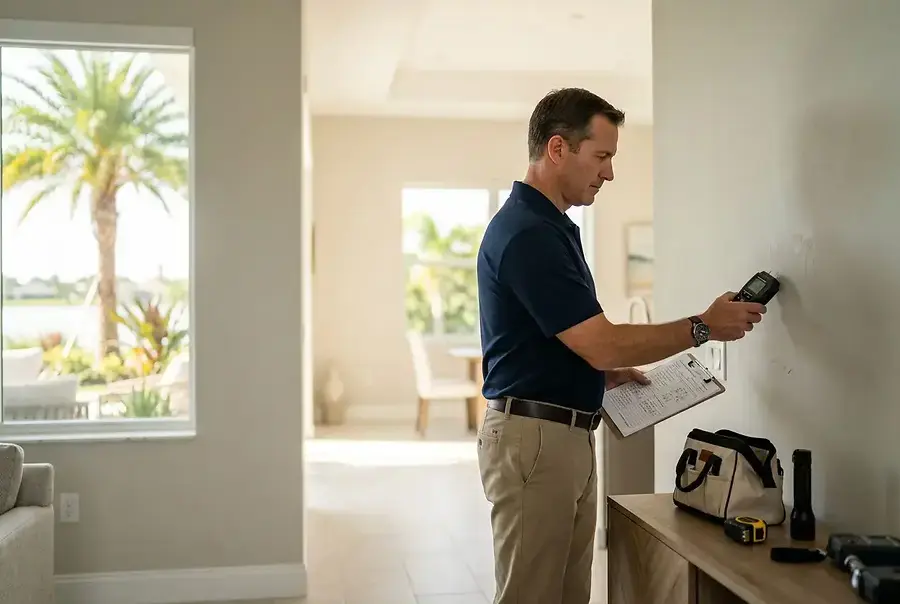
Understanding the Home Inspection Process in Florida
Purchasing a home is one of the most significant investments you'll make in your lifetime. In Florida, and specifically in Sarasota, a professional home inspection is a crucial step in the buying process that protects your interests and provides peace of mind. Unlike appraisals, which determine a property's market value, home inspections evaluate the physical condition and safety of the structure and its systems.
A typical home inspection in Sarasota takes between two to four hours, depending on the property's size and age. During this time, a licensed inspector will examine the home's major systems and components, documenting their findings in a detailed report. This inspection period is your opportunity to identify potential issues before you're legally bound to the purchase.
Florida law requires that home inspectors be licensed and carry liability insurance. When selecting an inspector, verify their credentials and ask about their experience with homes in the Sarasota area, as local knowledge about regional construction practices and climate-related issues is invaluable.
Key Areas Inspectors Focus on in Sarasota Properties
Roof and Exterior
Sarasota's intense sun, salt air, and hurricane-prone climate make the roof and exterior particularly important. Inspectors examine roofing materials for wear, damage, and remaining lifespan. They also assess the condition of siding, windows, doors, and the overall structural integrity of the home's envelope.
HVAC Systems
Air conditioning and heating systems work overtime in Florida's climate. Inspectors test these systems thoroughly, checking for proper operation, age, and maintenance history. A well-maintained HVAC system can last 15-20 years, while a neglected one may need replacement sooner.
Plumbing and Water Systems
Florida's unique water conditions and construction methods require special attention to plumbing. Inspectors check for:
- Water pressure and flow rates
- Corrosion in pipes and fixtures
- Proper drainage and septic system function (if applicable)
- Water heater condition and age
- Evidence of leaks or water damage
Electrical Systems
Electrical safety is paramount. Inspectors verify that the electrical panel is properly sized, check for outdated wiring, and ensure all outlets and switches function correctly. They also look for any code violations that could pose safety risks.
Foundation and Structural Components
Sarasota's sandy soil and high water table can affect foundations. Inspectors look for cracks, settling, or signs of moisture intrusion. Foundation issues can be expensive to repair, making this one of the most critical inspection areas.
Pest and Moisture Damage
Florida's warm, humid climate creates ideal conditions for termites, mold, and wood rot. Inspectors examine visible wood surfaces, crawl spaces, and attics for evidence of pest damage or moisture problems.
Red Flags and How to Negotiate After Inspection Results
Common Red Flags in Sarasota Homes
Certain findings should raise concerns and warrant further investigation:
- Roof age over 20 years – Likely needs replacement soon
- Outdated electrical panels – May need upgrading for safety and insurance purposes
- Evidence of water damage or mold – Can indicate serious structural or health issues
- Failing HVAC systems – Replacement costs can exceed $5,000-$10,000
- Foundation cracks or settling – Requires professional assessment
- Corroded plumbing – May necessitate repiping the entire home
- Pest damage or active infestations – Treatment and repairs needed
Negotiation Strategies
Once you receive the inspection report, you have several options:
Request Repairs: Ask the seller to repair significant issues before closing. This is most effective for major problems like roof replacement or foundation repairs.
Request Credits: The seller can provide a credit toward closing costs that you'll use to make repairs after purchase. This gives you control over contractor selection.
Price Reduction: Negotiate a lower purchase price to account for the cost of repairs. This is common when multiple issues are discovered.
Walk Away: If inspection reveals major problems and the seller won't negotiate, you may have grounds to terminate the contract, depending on your inspection contingency clause.
"The inspection report is your roadmap to making an informed decision. Don't ignore red flags or assume problems will resolve themselves—address them head-on during negotiations."
Working with Your Real Estate Agent
Your real estate agent can provide valuable guidance during negotiations. They understand local market conditions and can advise whether repair requests are reasonable based on comparable sales and current market trends in Sarasota.
Conclusion: Making Informed Decisions with Inspection Data
A home inspection is not meant to kill a deal—it's meant to protect your investment and ensure you understand exactly what you're purchasing. In Sarasota's unique climate and real estate market, thorough inspections are especially important given the region's exposure to weather-related wear and moisture issues.
Take time to review the inspection report carefully, ask your inspector questions, and don't hesitate to request a second opinion on questionable findings. Armed with detailed inspection information, you can negotiate confidently and close on a home that meets your expectations and protects your financial investment.
Remember, the goal isn't perfection—no home is flawless. Rather, it's about understanding the property's true condition and making an informed decision about whether it's the right home for you at the right price.


