Essential Home Inspection Guide for Savannah, MO Residential Buyers
What every residential buyer needs to know before closing on their Savannah home.

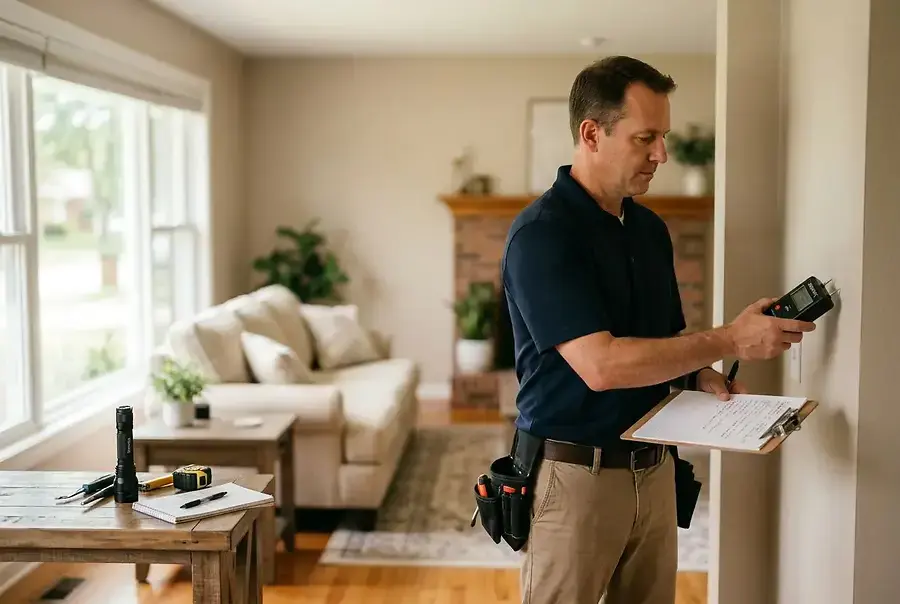
Why Home Inspections Matter in Savannah's Real Estate Market
Purchasing a home is one of the most significant investments you'll make in your lifetime. In Savannah, Missouri's competitive real estate market, a professional home inspection is not just a formality—it's an essential safeguard for your investment. A thorough inspection provides you with detailed knowledge about your potential property's condition, helping you avoid costly surprises after closing.
Home inspections serve multiple purposes for buyers in Savannah. They identify structural issues, safety hazards, and maintenance needs that may not be visible during a casual walkthrough. Armed with this information, you can negotiate repairs or price adjustments with the seller, or make an informed decision about whether to proceed with the purchase.
What to Expect During a Residential Home Inspection in Savannah
The Inspection Process
A standard home inspection in Savannah typically lasts between two to four hours, depending on the home's size and age. A certified home inspector will systematically evaluate every major component of the property, both inside and outside.
Key areas inspected include:
- Roof condition and integrity
- Foundation and structural elements
- Electrical systems and safety
- Plumbing and water systems
- HVAC systems (heating, ventilation, and air conditioning)
- Windows, doors, and exterior siding
- Attic and basement spaces
- Appliances and built-in fixtures
What You'll Receive
After the inspection, you'll receive a comprehensive written report detailing the inspector's findings. This report categorizes issues by severity—from minor cosmetic concerns to major structural problems requiring immediate attention. The report serves as your roadmap for negotiations and future maintenance planning.
Most inspectors provide detailed photographs and explanations of any issues discovered, making it easy to understand what needs attention and why.
Common Issues Found in Savannah Homes and How to Address Them
Roof and Weather-Related Damage
Savannah's climate can be tough on roofing materials. Inspectors frequently find missing shingles, deteriorated flashing, and signs of water damage. If your inspection reveals roof issues, request the seller to repair or replace the roof before closing, or negotiate a credit toward repairs you'll handle yourself.
Foundation and Basement Concerns
Older Savannah homes sometimes show signs of foundation settling or moisture intrusion in basements. While minor cracks are normal, significant structural issues require professional evaluation. Don't ignore foundation problems—they can become expensive if left unaddressed.
Outdated Electrical Systems
Many homes in Savannah feature older electrical systems that may not meet current safety standards. Aluminum wiring, insufficient outlets, or outdated panels can pose fire hazards. Budget for electrical upgrades if your inspection reveals these issues, and prioritize safety over aesthetics.
Plumbing Issues
Common plumbing problems include:
- Corroded or galvanized pipes requiring replacement
- Slow drains or clogs indicating deeper issues
- Water pressure problems
- Outdated fixtures or non-functional systems
Plumbing repairs can range from simple fixes to complete system overhauls. Get quotes from licensed plumbers in Savannah to understand the true cost of any necessary repairs.
HVAC System Age and Efficiency
Heating and cooling systems typically last 15-20 years. If your inspection reveals an aging HVAC system, factor replacement costs into your decision. Modern systems are more energy-efficient and can significantly reduce utility bills.
Pest and Moisture Damage
Savannah's humid climate creates ideal conditions for termites, wood rot, and mold. Your inspector should specifically check for signs of pest damage and moisture problems. These issues can be costly if not addressed promptly, so take any findings seriously.
Using Inspection Results to Make Confident Purchasing Decisions
Negotiation Strategies
Once you have your inspection report, you have several options. You can request the seller make repairs before closing, ask for a credit toward repairs you'll handle, or renegotiate the purchase price. In Savannah's market, sellers are often willing to work with buyers who have documented inspection findings.
Remember: Not every issue requires renegotiation. Focus on significant problems that affect safety, structural integrity, or major systems. Minor cosmetic issues are typically the buyer's responsibility.
Planning for Future Maintenance
Even if you negotiate repairs, use your inspection report as a maintenance guide for the future. Understanding your home's condition helps you budget for upcoming repairs and preventative maintenance. This proactive approach can save you thousands of dollars over your ownership period.
Getting a Second Opinion
If your inspection reveals major issues, don't hesitate to hire specialists for further evaluation. A structural engineer, electrician, or plumber can provide detailed assessments and cost estimates for repairs. This investment in additional expertise often pays for itself through better negotiation outcomes.
Making Your Final Decision
Armed with comprehensive inspection information, you can make a confident purchasing decision. Whether you proceed with negotiations, request repairs, or walk away from the deal, you're doing so with complete knowledge of the property's condition. This is the true value of a professional home inspection.
"A home inspection isn't an expense—it's an investment in your peace of mind and financial security."
In Savannah's real estate market, informed buyers are successful buyers. Don't skip the inspection, and don't ignore its findings. Your future self will thank you for the diligence you invest today.