Essential Home Inspection Guide for South Florida Homebuyers
Protect your investment by understanding what inspectors look for in Miami's unique climate and architecture.

Why Home Inspections Matter in South Florida
Purchasing a home in South Florida is an exciting milestone, but it comes with unique challenges that differ significantly from other regions. The combination of intense humidity, salt air, tropical storms, and coastal geography creates an environment where homes face distinct wear and tear patterns. A thorough home inspection isn't just a formality—it's your first line of defense against costly surprises.
South Florida's real estate market moves quickly, and buyers often feel pressured to make rapid decisions. However, skipping or rushing through a professional home inspection could cost you tens of thousands of dollars in repairs down the road. Inspectors trained in South Florida's specific conditions understand what to look for and can identify problems that untrained eyes might miss.
Key reasons to prioritize home inspections in this region include:
- Identifying hidden water damage and moisture intrusion
- Assessing hurricane preparedness and structural integrity
- Detecting mold growth in hidden areas
- Evaluating foundation stability in sandy, shifting soil
- Reviewing HVAC systems designed for constant cooling demands
Climate-Specific Issues: Mold, Humidity, and Hurricane Readiness
Mold and Moisture Management
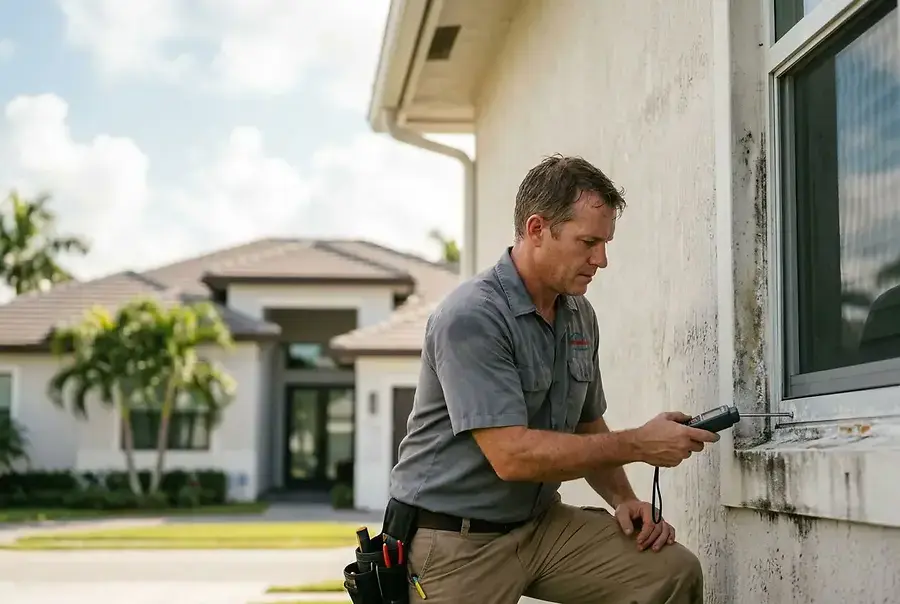
South Florida's tropical climate creates the perfect breeding ground for mold. With humidity levels frequently exceeding 80%, moisture accumulates in walls, attics, crawl spaces, and under flooring. Professional inspectors use moisture meters and thermal imaging to detect moisture behind walls where visible mold hasn't yet appeared.
Common mold hotspots inspectors examine:
- Attic spaces and roof penetrations
- Bathroom and kitchen areas
- Basement and crawl space walls
- HVAC ducts and condensation lines
- Window frames and door seals
Mold isn't just a cosmetic issue—it can trigger respiratory problems and significantly reduce property value. Inspectors will note any signs of previous water intrusion or active mold growth, which may require remediation before purchase.
Hurricane Preparedness and Wind Resistance
Living in South Florida means hurricane season is a reality every year. Home inspectors evaluate whether a property can withstand high winds and heavy rainfall. They check for:
- Roof condition: Age, material quality, and secure fastening
- Impact-resistant windows and doors: Whether they meet current building codes
- Structural bracing: Proper reinforcement of walls and connections
- Garage doors: Reinforcement to prevent wind damage
- Exterior vents and penetrations: Proper sealing to prevent water intrusion
A roof that's 15+ years old may need replacement soon, and impact-resistant upgrades can be expensive. Understanding these needs upfront helps you negotiate repairs or price adjustments with the seller.
Structural Concerns: Foundation and Water Damage in Coastal Communities
Foundation Issues in Sandy Soil
South Florida's sandy, shifting soil presents unique foundation challenges. Unlike areas built on solid rock, homes here rest on sand that can settle unevenly, causing foundation cracks and structural stress. Inspectors look for:
- Visible cracks in foundation walls or concrete slabs
- Uneven floors or doors that don't close properly
- Gaps between walls and ceilings
- Signs of previous foundation repairs or underpinning
Minor cracks may be cosmetic, but larger ones could indicate serious structural problems requiring expensive repairs. In coastal areas, salt water intrusion can also corrode concrete and steel reinforcement, accelerating deterioration.
Water Damage and Flood Risk
Water damage is perhaps the most critical concern for South Florida homebuyers. Whether from heavy rainfall, storm surge, or plumbing failures, water infiltration can compromise structural integrity and create mold problems. Inspectors assess:
- Elevation and flood zone: Whether the home is in a high-risk flood area
- Drainage systems: Proper grading and functioning gutters
- Basement and crawl space conditions: Signs of past flooding or water seepage
- Plumbing integrity: Corrosion and leaks in pipes
- Sump pump functionality: If present, whether it operates properly
Flood insurance is mandatory in high-risk zones and can be expensive. Understanding your property's flood risk helps you budget for insurance and potential future mitigation measures.
Salt Air Corrosion
Homes near the coast face accelerated corrosion from salt air. Metal components—from HVAC units to electrical panels—deteriorate faster than in inland areas. Inspectors examine metal components for rust and corrosion, which may indicate the need for protective coatings or replacement sooner than expected.
Making Informed Decisions Across Miami, Coral Gables, and Beyond
Whether you're buying in Miami's vibrant urban neighborhoods, the upscale enclaves of Coral Gables, or the quieter communities further inland, a comprehensive home inspection is your investment protection strategy. The inspector's report provides detailed documentation of the property's condition, giving you leverage in negotiations and helping you understand future maintenance needs.
After receiving the inspection report, consider:
- Requesting repairs for significant issues before closing
- Negotiating a price reduction for deferred maintenance
- Obtaining repair estimates for budget planning
- Scheduling follow-up inspections for specialized systems
- Planning a preventative maintenance schedule
South Florida's unique environmental challenges make professional home inspections invaluable. By understanding what inspectors look for and taking their findings seriously, you protect your investment and make a confident, informed decision about one of life's most important purchases. Don't let the excitement of finding your dream home overshadow the importance of thorough due diligence.