Essential Home Inspection Guide for South Florida Real Estate Buyers
Discover what professional inspectors evaluate and how to protect your investment in Florida's unique climate.

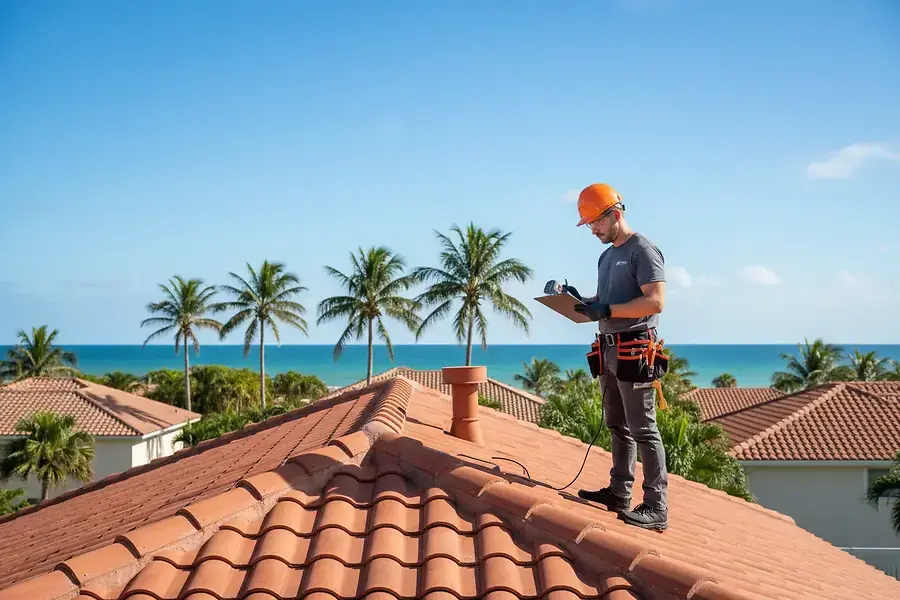
Why Home Inspections Are Critical in South Florida
Purchasing a home in South Florida is one of the most significant investments you'll make in your lifetime. Unlike many other regions, South Florida presents unique environmental challenges that can dramatically impact property value and safety. A professional home inspection is not just a formality—it's your essential safeguard against costly surprises and hidden defects.
South Florida's tropical climate, high humidity, saltwater proximity, and hurricane exposure create conditions that accelerate wear and tear on residential properties. A thorough inspection can identify issues before they become expensive problems, potentially saving you tens of thousands of dollars in repairs and renovations. Whether you're a first-time buyer or an experienced investor, understanding what inspectors evaluate is crucial to making informed decisions.
Understanding Climate-Specific Inspection Issues in Florida Properties
Hurricane and Wind Damage
South Florida's hurricane season demands special attention during inspections. Professional inspectors evaluate the structural integrity of roofs, windows, doors, and the overall frame of the house. They look for signs of previous hurricane damage, improper repairs, and whether the property meets current building codes designed to withstand high winds.
Key concerns include:
- Roof condition and installation quality
- Impact-resistant windows and doors
- Proper fastening of the structure to the foundation
- Adequate bracing and reinforcement
Water Intrusion and Moisture Issues
High humidity and frequent rainfall make water intrusion one of the most common problems in South Florida homes. Inspectors carefully examine walls, ceilings, attics, and crawl spaces for signs of water damage, mold, and moisture accumulation. This is particularly critical because hidden moisture can lead to structural damage and health hazards.
Areas of particular concern include:
- Roof leaks and flashing integrity
- Window and door seals
- Foundation cracks and water seepage
- Attic ventilation and condensation
- Evidence of mold or mildew
Saltwater Corrosion
For properties near the coast, saltwater corrosion is a serious consideration. Salt air accelerates the deterioration of metal components, electrical systems, and structural elements. Inspectors assess the condition of air conditioning units, metal railings, electrical panels, and other metal fixtures that may be compromised by salt exposure.
Foundation and Soil Issues
South Florida's sandy soil and high water table create unique foundation challenges. Inspectors evaluate whether the foundation shows signs of settling, cracking, or shifting. They also assess drainage systems and whether the property is adequately protected from flooding and water table fluctuations.
Key Areas Professional Inspectors Evaluate During Inspections
Structural Components
A comprehensive inspection begins with the foundation and structural frame. Inspectors look for cracks, settling, and signs of structural movement. They examine load-bearing walls, beams, and the overall integrity of the building's skeleton. In South Florida, this includes assessing whether the structure can withstand environmental stresses specific to the region.
Roofing System
The roof is your home's first line of defense against Florida's weather. Inspectors evaluate:
- Roof age and remaining lifespan
- Shingle or tile condition and proper installation
- Flashing around chimneys, vents, and skylights
- Gutters and downspout functionality
- Attic ventilation and insulation
Plumbing and Water Systems
Inspectors test water pressure, check for leaks, and evaluate the condition of pipes throughout the home. In South Florida, they pay special attention to corrosion issues and whether the plumbing system can handle the region's water quality. They also assess the water heater's condition and efficiency.
Electrical Systems
A safe electrical system is paramount. Inspectors examine the main panel, circuit breakers, outlets, and wiring throughout the home. They verify that the system meets current code requirements and assess whether the home has adequate electrical capacity for modern appliances and technology. In coastal areas, they evaluate protection against saltwater corrosion.
HVAC and Climate Control
Air conditioning systems work overtime in South Florida. Inspectors evaluate the age, condition, and efficiency of HVAC units. They check refrigerant levels, ductwork integrity, and whether the system is properly sized for the home. Given the climate, a well-functioning AC system is essential for both comfort and property value.
Exterior and Landscaping
The exterior inspection includes walls, siding, windows, doors, decks, and patios. Inspectors look for signs of damage, deterioration, and improper repairs. They assess whether landscaping could pose risks during storms and evaluate drainage around the property's perimeter.
Interior Conditions
Inspectors examine walls, ceilings, floors, and interior fixtures for damage, wear, and functionality. They test doors, windows, and built-in appliances. They also look for signs of pest infestation, which is common in Florida's warm climate.
Using Inspection Results to Make Confident Purchase Decisions
Once the inspection is complete, you'll receive a detailed report outlining findings, concerns, and recommendations. This report is your roadmap for negotiation and decision-making.
Consider these steps:
- Review the report thoroughly and ask your inspector to clarify any findings
- Prioritize issues by severity—distinguish between minor cosmetic concerns and major structural problems
- Obtain repair estimates for significant issues to understand the financial impact
- Negotiate with the seller for repairs, credits, or price reductions based on inspection findings
- Plan for preventive maintenance to address minor issues before they become major problems
A professional home inspection is an investment in peace of mind. In South Florida's challenging climate, it's not a luxury—it's a necessity.
By understanding what inspectors evaluate and taking their findings seriously, you're taking control of your real estate investment. South Florida's unique environmental challenges require vigilance and expertise, but with a thorough inspection and informed decision-making, you can purchase your home with confidence and protect your investment for years to come.