Essential Home Inspection Guide for South Florida Residential Buyers
Master the critical inspection checklist that protects your investment in Fort Lauderdale, Pompano Beach, Lighthouse Point, Deerfield Beach, Boca Raton, and Delray Beach.

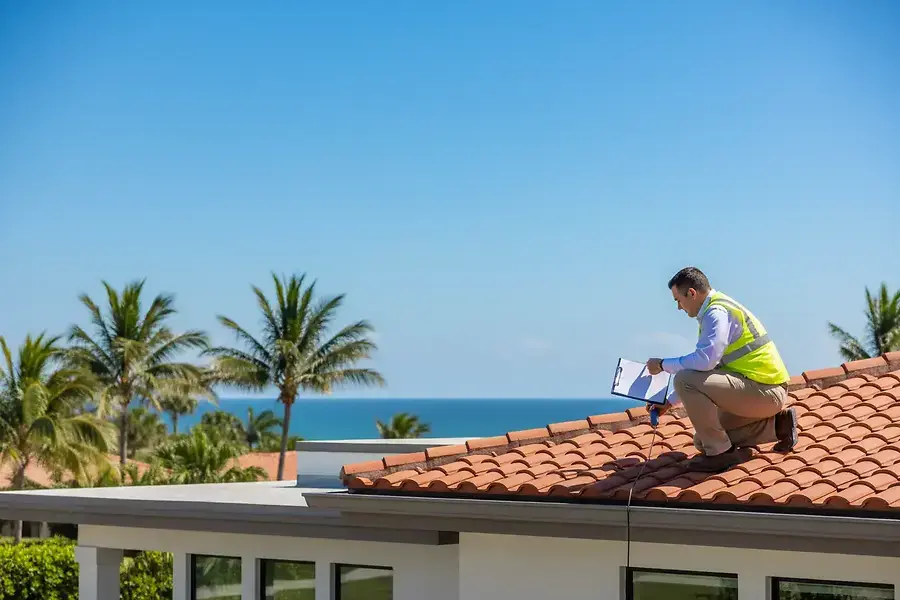
Why Home Inspections Matter in South Florida's Humid Climate
Purchasing a home in South Florida is an exciting investment, but the region's unique environmental challenges demand thorough due diligence. The combination of high humidity, salt air, intense sun exposure, and hurricane-prone weather creates conditions that can rapidly deteriorate properties if not properly maintained. A comprehensive home inspection is not just a formality—it's your first line of defense against costly repairs and structural damage.
South Florida's climate accelerates wear and tear on building materials in ways that buyers from other regions may not anticipate. Moisture infiltration, mold growth, rust, and corrosion are common issues that can compromise both the safety and value of your investment. By understanding what professional inspectors look for, you'll be better equipped to make informed decisions and negotiate effectively.
Key Areas to Inspect: Roof, Foundation, and Water Damage Prevention
Roof Condition and Hurricane Readiness
Your roof is your home's primary defense against South Florida's weather extremes. Inspectors will examine:
- Shingle integrity – Look for missing, cracked, or curling shingles that indicate age or storm damage
- Flashing and seals – Deteriorated flashing around vents and chimneys allows water penetration
- Underlayment condition – This critical layer prevents water from reaching the structure
- Hurricane straps and fastening – Proper installation is essential for wind resistance
- Age of the roof – Most roofs last 15-20 years in Florida's climate; older roofs may need replacement soon
A roof inspection should include a physical examination from multiple angles and, ideally, thermal imaging to detect moisture trapped within the structure.
Foundation and Structural Integrity
South Florida's sandy soil and high water table create unique foundation challenges. Key inspection points include:
- Concrete cracks and settlement – Minor cracks are normal, but large or widening cracks indicate serious problems
- Pier and beam systems – Common in older homes, these require careful evaluation for rot and deterioration
- Moisture barriers – Proper vapor barriers prevent moisture from rising through the foundation
- Drainage systems – Inadequate grading or drainage can lead to water pooling around the foundation
Foundation issues are expensive to repair, making this inspection area particularly critical for South Florida properties.
Water Damage Prevention and Moisture Control
Water intrusion is the most common problem in South Florida homes. Inspectors will assess:
- Exterior sealing – Caulking around windows, doors, and penetrations prevents water entry
- Gutter and downspout systems – Proper drainage directs water away from the foundation
- Interior signs of moisture – Water stains, discoloration, and soft spots indicate past or ongoing leaks
- HVAC condensation lines – Blocked or improperly installed lines cause water damage
- Attic ventilation – Poor ventilation traps moisture and promotes mold growth
Mold testing may be recommended if visual evidence of moisture damage is present, as mold remediation can be costly and health-threatening.
Understanding Inspection Reports and Red Flags Specific to Coastal Properties
Interpreting Your Inspection Report
A professional inspection report will categorize findings into three levels: safety concerns, major repairs needed, and minor maintenance items. Understanding this hierarchy helps you prioritize your concerns and budget accordingly.
Safety concerns require immediate attention and may affect your decision to purchase. Major repairs are significant expenses that should be factored into your offer. Minor items are maintenance tasks that can often be addressed over time.
Coastal-Specific Red Flags
Properties in Fort Lauderdale, Pompano Beach, Lighthouse Point, Deerfield Beach, Boca Raton, and Delray Beach face additional challenges due to their proximity to the ocean:
- Salt air corrosion – Metal components, including HVAC systems and electrical fixtures, corrode faster near the coast
- Flood zone designation – Verify the property's flood zone and required insurance costs
- Elevation and flood history – Ask about past flooding events and elevation relative to sea level
- Pool and deck deterioration – Salt water and chlorine accelerate concrete and metal degradation
- Hurricane impact history – Previous storm damage may indicate structural vulnerabilities
Questions to Ask Your Inspector
Don't hesitate to ask your inspector detailed questions about findings. Specifically inquire about:
- The estimated remaining lifespan of major systems
- Recommended maintenance schedules for coastal properties
- Whether issues are cosmetic or structural
- Cost estimates for recommended repairs
- Whether issues pose health or safety risks
Using Inspection Results to Negotiate and Secure Your South Florida Home
A thorough inspection report is a powerful negotiating tool. Armed with detailed findings, you can:
- Request repairs – Ask the seller to fix critical issues before closing
- Negotiate credits – Request a reduction in the purchase price to cover repair costs
- Obtain repair estimates – Get quotes from licensed contractors to support your negotiations
- Plan your budget – Understand upcoming maintenance and repair expenses
- Make an informed decision – Decide whether the property is worth the investment at the offered price
Remember that in South Florida's competitive real estate market, inspection contingencies are your protection. Use this period to thoroughly evaluate the property and make adjustments to your offer based on findings.
Final Thoughts: Investing in a comprehensive home inspection is one of the smartest decisions you can make as a South Florida buyer. The inspection fee—typically $400-$800—is a small price compared to the cost of discovering major problems after closing. By understanding what to look for and how to interpret inspection results, you'll be well-positioned to protect your investment and negotiate confidently in the South Florida real estate market.