Essential Home Inspection Guide for South Metro Portland Buyers
Discover what to look for during inspections to make confident real estate decisions in Lake Oswego, Sherwood, Portland, Clackamas, Wilsonville, and Sellwood.

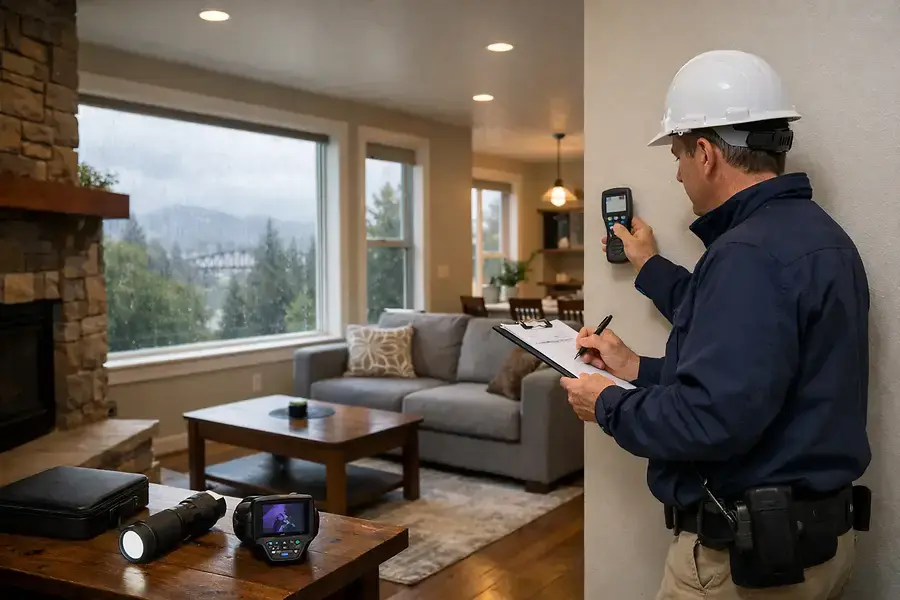
Why Home Inspections Matter in Portland's South Metro Market
Purchasing a home is one of the most significant investments you'll make in your lifetime. In the competitive South Metro Portland real estate market—spanning Lake Oswego, Sherwood, Portland, Clackamas, Wilsonville, and Sellwood—a thorough home inspection is your best defense against costly surprises. A professional inspection provides an objective assessment of a property's condition, helping you make informed decisions and negotiate effectively with sellers.
The South Metro region features a diverse mix of properties, from charming older homes to modern constructions. Each property type comes with its own set of potential issues. Understanding what inspectors look for and what problems are common in this area will empower you to ask the right questions and protect your investment.
Key Areas to Evaluate During Your Home Inspection
Structural Integrity and Foundation
The foundation is the backbone of any home. Inspectors examine the foundation for cracks, settling, and water damage. In the South Metro area, where moisture is prevalent, foundation issues are particularly important to assess. Look for signs of:
- Horizontal or diagonal cracks in the foundation
- Water stains or efflorescence (white mineral deposits)
- Uneven floors or doors that don't close properly
- Gaps between walls and the foundation
Roofing and Exterior
The Pacific Northwest climate demands a robust roof. Inspectors evaluate roof age, material condition, and proper installation. They'll check for:
- Missing, cracked, or curling shingles
- Proper flashing around chimneys and vents
- Gutters and downspout functionality
- Exterior siding condition and water intrusion risks
Plumbing and Water Systems
Water-related issues are common in the Portland area due to our rainy climate. Inspectors test water pressure, check for leaks, and assess the age and condition of pipes. Key concerns include:
- Galvanized or polybutylene pipes (which may need replacement)
- Water heater age and functionality
- Signs of water damage or mold
- Proper drainage and grading around the property
Electrical Systems
A safe electrical system is non-negotiable. Inspectors verify that the electrical panel is properly sized, check for outdated wiring, and ensure outlets are grounded. They look for:
- Aluminum wiring (a fire hazard in older homes)
- Adequate circuit capacity for modern appliances
- GFCI outlets in bathrooms and kitchens
- Proper grounding and bonding
HVAC Systems
Heating and cooling systems must work efficiently in our variable climate. Inspectors assess furnace and air conditioning unit age, maintenance history, and functionality. They evaluate:
- System age and remaining lifespan
- Proper ventilation and ductwork
- Carbon monoxide detector presence
- Maintenance records and service history
Common Issues Found in South Metro Properties and How to Address Them
Moisture and Mold Concerns
The Pacific Northwest's wet climate makes moisture management critical. Many South Metro homes experience moisture intrusion in basements, crawl spaces, and attics. If moisture is detected, request a moisture specialist evaluation and budget for proper remediation. This might include improved drainage, ventilation upgrades, or waterproofing treatments.
Aging Roofs
Homes built in the 1980s and 1990s may have roofs nearing the end of their lifespan. A roof replacement can cost $10,000 to $20,000 or more. If your inspection reveals an aging roof, use this information to negotiate repair or replacement costs with the seller.
Outdated Electrical Systems
Older homes in Lake Oswego and Sellwood sometimes have outdated electrical systems that can't handle modern power demands. Aluminum wiring, in particular, poses fire risks. Budget for potential electrical upgrades if these issues are discovered during inspection.
Plumbing Material Issues
Homes built between 1978 and 1995 may have polybutylene pipes, which are prone to failure. Replacing these pipes is a significant undertaking, but it's essential for long-term reliability. Get quotes from licensed plumbers to understand the scope and cost of potential replacements.
HVAC System Age
Furnaces and air conditioning systems typically last 15-20 years. If your inspection reveals aging systems, plan for replacement costs in your budget. Modern, efficient systems can reduce energy bills significantly.
Foundation Settling
Minor settling is normal in older homes, but significant cracks or uneven floors warrant further investigation. Request a structural engineer's assessment if concerns arise. Some issues can be addressed with targeted repairs, while others may require more extensive work.
Using Inspection Results to Negotiate and Protect Your Investment
Once you receive your inspection report, you have several options:
- Request repairs: Ask the seller to fix significant issues before closing.
- Negotiate credits: Request a credit toward closing costs to handle repairs yourself.
- Renegotiate price: Use inspection findings to justify a lower offer price.
- Walk away: If issues are too extensive, you have the right to withdraw from the purchase.
Work closely with your real estate agent and consider hiring specialists for major concerns. A structural engineer, electrician, or plumber can provide detailed assessments that strengthen your negotiating position.
Remember, the goal of a home inspection is not to find reasons to back out of a deal, but to make an informed decision and plan for future maintenance and repairs.
Conclusion: Making Confident Real Estate Decisions
A comprehensive home inspection is your opportunity to understand exactly what you're buying in the South Metro Portland market. Whether you're purchasing in Lake Oswego's upscale neighborhoods, Sherwood's family-friendly communities, or Sellwood's historic charm, knowing a property's condition empowers you to negotiate confidently and plan for the future.
By understanding what inspectors evaluate, recognizing common regional issues, and using inspection results strategically, you'll protect your investment and make a confident real estate decision. Don't skip this crucial step—your future self will thank you.