Essential Home Inspection Guide for South Shore Massachusetts Buyers
Protect your investment with a complete guide to what every homebuyer should know before closing on their South Shore property.

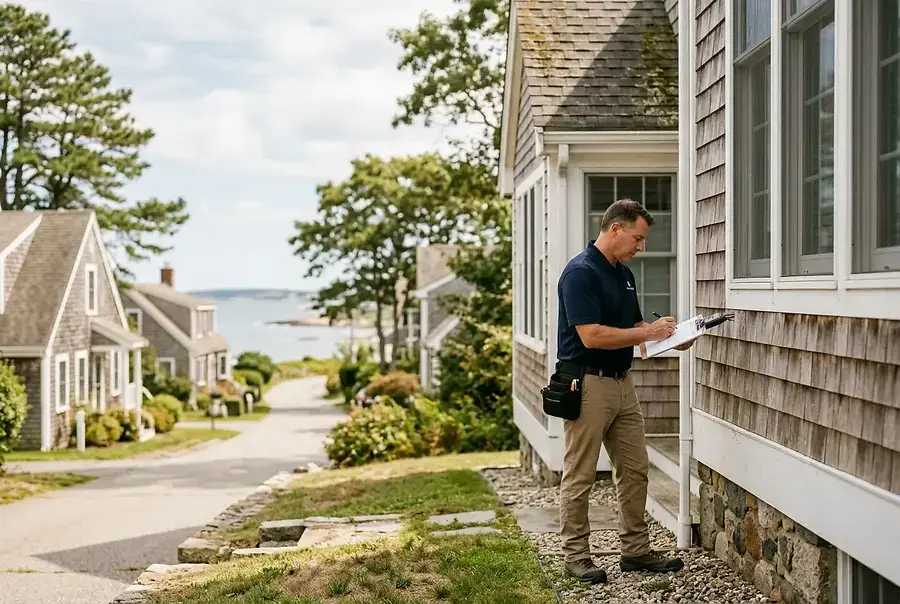
Understanding Home Inspection Importance for South Shore Properties
Purchasing a home is one of the most significant financial decisions you'll make in your lifetime. For buyers in South Shore Massachusetts, a thorough home inspection is not just a recommendation—it's an essential safeguard for your investment. A professional home inspection provides an objective evaluation of your property's condition, identifying potential issues before you commit to the purchase.
The South Shore region, with its unique coastal climate and older housing stock, presents specific challenges that make inspections particularly valuable. Salt air, moisture, and seasonal weather patterns can accelerate wear and tear on homes in ways that buyers from other regions might not anticipate. A qualified inspector familiar with South Shore properties understands these regional factors and knows exactly what to look for.
Why Professional Inspections Matter
A professional home inspector brings expertise that the average buyer simply cannot possess. They examine structural integrity, electrical systems, plumbing, HVAC systems, roofing, and countless other components that affect your home's safety and value. This comprehensive evaluation typically costs between $300 and $500 but can save you thousands in unexpected repairs down the road.
Key benefits of professional inspections include:
- Early detection of major structural problems
- Identification of safety hazards
- Documentation of needed repairs for negotiation purposes
- Peace of mind before closing
- Baseline information for future maintenance planning
Common Issues Found in South Shore Massachusetts Homes
Understanding the typical problems found in South Shore properties helps you know what questions to ask your inspector and what to prioritize in your inspection report. The region's coastal environment and age of many homes create predictable patterns of wear and damage.
Water Damage and Moisture Issues
Water intrusion is perhaps the most common problem in South Shore homes. The combination of coastal humidity, salt spray, and seasonal precipitation creates ideal conditions for moisture problems. Inspectors frequently discover water damage in basements, attics, and crawl spaces. Look for signs of past or present water damage, including staining, mold, and deteriorated wood.
Roof and Exterior Concerns
South Shore properties face constant assault from coastal weather. Roofs may show premature aging due to salt air and wind exposure. Inspectors often find missing or damaged shingles, compromised flashing, and deteriorated gutters. Siding, windows, and doors also require careful evaluation, as salt air accelerates corrosion and decay.
Foundation and Structural Issues
Many South Shore homes were built decades ago when building codes were less stringent. Inspectors frequently identify foundation cracks, settling issues, and inadequate support systems. These problems range from cosmetic concerns to serious structural issues requiring immediate attention.
HVAC and Mechanical Systems
Older heating and cooling systems are common in South Shore properties. Inspectors evaluate whether systems are functioning properly and estimate remaining lifespan. Replacement of major HVAC components can be expensive, making this information crucial for your decision-making process.
Electrical and Plumbing Systems
Outdated electrical panels, aluminum wiring, and aging plumbing are frequently discovered during inspections. These systems may function currently but could pose safety risks or require upgrades to meet modern standards.
How to Evaluate Your Inspection Report and Negotiate Repairs
Once you receive your inspection report, the real work begins. Understanding how to interpret findings and use them strategically in negotiations can significantly impact your final purchase price and the condition of your new home.
Reading Your Inspection Report
Professional inspection reports typically categorize findings by severity. Items are usually marked as critical (safety hazards requiring immediate attention), major (significant problems affecting home value or function), or minor (cosmetic issues or routine maintenance). Focus your attention on critical and major items first.
Don't be alarmed by lengthy reports—even well-maintained homes have minor issues. The key is distinguishing between normal wear and serious problems. Your inspector should be available to discuss findings and answer questions about their significance.
Strategic Negotiation Tactics
Armed with your inspection report, you have several negotiation options:
- Request repairs: Ask the seller to fix critical and major issues before closing
- Request credits: Request a price reduction to cover repair costs yourself
- Request escrow: Have funds held in escrow to ensure repairs are completed after closing
- Walk away: If issues are too extensive, you may choose to terminate the purchase
The most successful approach depends on your market conditions, the severity of issues, and your financial situation. In competitive markets, sellers may be less willing to negotiate. In slower markets, you may have more leverage.
Prioritizing Issues
Focus negotiations on items that affect safety, structural integrity, and major systems. Cosmetic issues and routine maintenance items are typically less important. A roof leak is critical; outdated paint is not. A failing foundation requires attention; worn kitchen cabinets do not.
Closing Your Purchase with Confidence After Inspection
The inspection phase is your opportunity to make an informed decision about one of life's biggest purchases. By understanding what inspectors look for and how to use that information, you can move forward with confidence.
Final Walk-Through
Before closing, conduct a final walk-through to verify that any agreed-upon repairs have been completed satisfactorily. Check that critical items from the inspection report have been addressed. This is your last chance to identify any new issues or incomplete work.
Maintain Your Investment
Use your inspection report as a maintenance guide for years to come. Address recommended repairs promptly to prevent small issues from becoming major problems. Regular maintenance protects your investment and keeps your South Shore home in excellent condition.
Remember: A home inspection is not about finding reasons to back out of a deal—it's about making an informed decision and protecting your investment. With proper inspection and negotiation, you can purchase your South Shore Massachusetts home with confidence and peace of mind.