Essential Home Inspection Guide for South Texas Residential Buyers
Learn what professional inspectors look for when evaluating residential properties in San Antonio, Del Rio, Seguin, and surrounding communities.

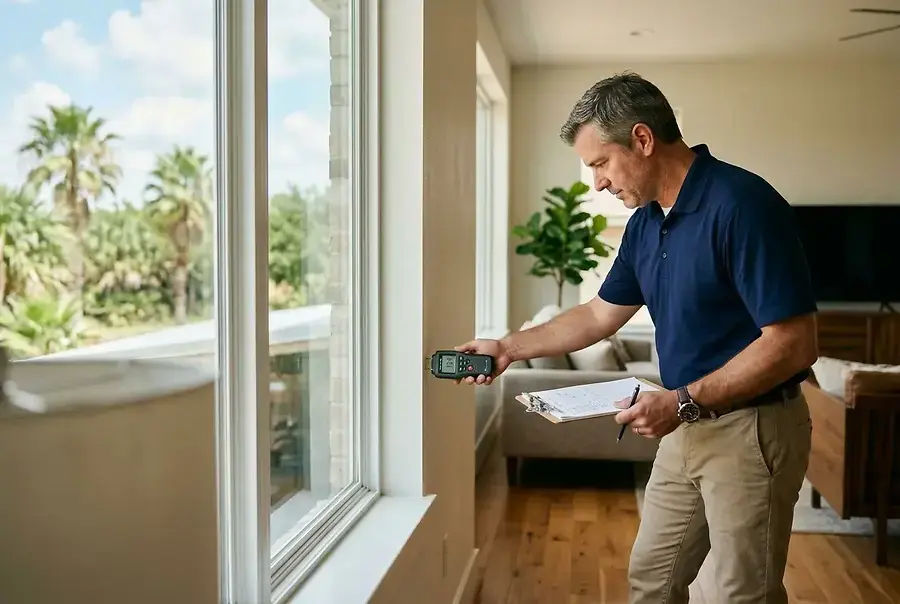
Why Home Inspections Matter in South Texas Real Estate
Purchasing a home is one of the most significant investments you'll make in your lifetime. In South Texas, where properties face unique environmental challenges including intense heat, humidity, and occasional severe weather, a professional home inspection is not just recommended—it's essential. A thorough inspection provides you with a detailed understanding of your potential property's condition, helping you avoid costly surprises after closing.
Home inspections serve as your protection against hidden defects and structural issues that may not be visible during a casual walkthrough. Whether you're buying in San Antonio, Del Rio, Seguin, or surrounding communities, a certified inspector can identify problems that could affect your safety, comfort, and long-term investment value.
Key Areas Professional Inspectors Evaluate in South Texas Homes
Roof and Exterior Structure
South Texas homes endure relentless sun exposure and occasional hail storms, making the roof a critical component. Inspectors examine roofing materials for deterioration, missing shingles, and proper drainage. They also assess the condition of gutters, downspouts, siding, and exterior walls for damage, water intrusion, and structural integrity.
Foundation and Structural Systems
The foundation is the backbone of any home. Inspectors look for cracks, settling, and signs of water damage or moisture intrusion. In South Texas, where soil conditions can vary significantly, foundation issues are particularly important to identify early. They'll examine concrete slabs, pier-and-beam systems, and any visible structural components.
HVAC and Cooling Systems
Air conditioning is not a luxury in South Texas—it's a necessity. Professional inspectors test your cooling system's efficiency and functionality. They examine the compressor, refrigerant levels, ductwork, and thermostat operation. A properly functioning AC system is crucial for comfort and can significantly impact utility costs.
Plumbing and Water Systems
Inspectors evaluate water pressure, drainage, and the condition of pipes throughout the home. They check for leaks, corrosion, and proper venting. Water quality and the functionality of water heaters are also assessed. In older South Texas homes, outdated plumbing systems may require upgrades.
Electrical Systems
A comprehensive electrical inspection includes checking the main panel, circuit breakers, outlets, and wiring. Inspectors ensure the system meets current safety codes and can handle the home's electrical demands. Outdated or faulty electrical systems pose serious safety risks and may require costly upgrades.
Interior Components
Professional inspectors examine walls, ceilings, floors, doors, and windows for damage, water stains, and proper operation. They assess insulation levels, ventilation, and the condition of interior fixtures. Any signs of pest damage or mold are carefully documented.
Common Issues Found in South Texas Residential Properties
Water Damage and Moisture Problems
The humid South Texas climate creates ideal conditions for moisture-related issues. Inspectors frequently find evidence of water intrusion, roof leaks, and foundation moisture. Addressing water damage promptly is critical to prevent mold growth and structural deterioration.
Air Conditioning System Failures
Given the region's extreme heat, AC system failures are common in older homes. Inspectors often identify refrigerant leaks, compressor issues, and inefficient cooling systems that may require replacement or significant repairs.
Foundation Cracks and Settlement
South Texas soil conditions can lead to foundation movement and cracking. While minor cracks are normal, significant structural cracks require professional evaluation and may indicate serious underlying issues.
Outdated Electrical Systems
Many older South Texas homes have electrical systems that don't meet modern safety standards. Inspectors frequently recommend upgrades to handle contemporary electrical loads and improve safety.
Plumbing Corrosion
Hard water and mineral deposits common in South Texas can cause pipe corrosion and reduced water pressure. Older homes may have galvanized pipes that need replacement with modern copper or PVC alternatives.
Pest Damage
Termites and other pests thrive in South Texas's warm climate. Inspectors look for evidence of pest damage, particularly in wooden structural components and foundations.
Using Inspection Reports to Make Confident Purchasing Decisions
Understanding Your Inspection Report
A professional inspection report provides detailed documentation of the property's condition. It categorizes findings by severity—from minor cosmetic issues to major structural concerns. Take time to understand each finding and ask your inspector to explain any items you don't understand.
Prioritizing Repairs and Negotiations
Not every issue found during inspection requires immediate attention. Work with your real estate agent to prioritize repairs based on safety, functionality, and cost. Use the inspection report as a negotiation tool—you may request the seller address major issues, provide credits for repairs, or adjust the purchase price accordingly.
Planning for Future Maintenance
The inspection report serves as a valuable maintenance guide for your new home. Items noted as aging or nearing the end of their lifespan should be budgeted for replacement. This proactive approach helps you avoid emergency repairs and maintain your property's value.
Getting a Second Opinion
For significant issues identified during inspection, consider obtaining specialist evaluations. A structural engineer, electrician, or HVAC technician can provide detailed assessments and repair estimates for major systems or concerns.
Conclusion: Making Your South Texas Home Purchase with Confidence
A professional home inspection is your best defense against purchasing a property with hidden problems. In South Texas, where environmental factors and regional building practices create unique challenges, a thorough inspection is invaluable. By understanding what inspectors evaluate, recognizing common regional issues, and properly interpreting your inspection report, you can make an informed purchasing decision.
Whether you're buying in San Antonio, Del Rio, Seguin, or surrounding communities, invest in a qualified home inspector who understands South Texas properties. The inspection fee is a small price compared to the protection and peace of mind it provides. Armed with detailed knowledge about your potential home's condition, you can negotiate confidently and move forward with your purchase knowing exactly what you're getting.