Essential Home Inspection Guide for Southeast Texas Residential Buyers
Discover the critical inspection checklist that protects your investment in Beaumont, Nederland, Port Arthur, and surrounding communities.

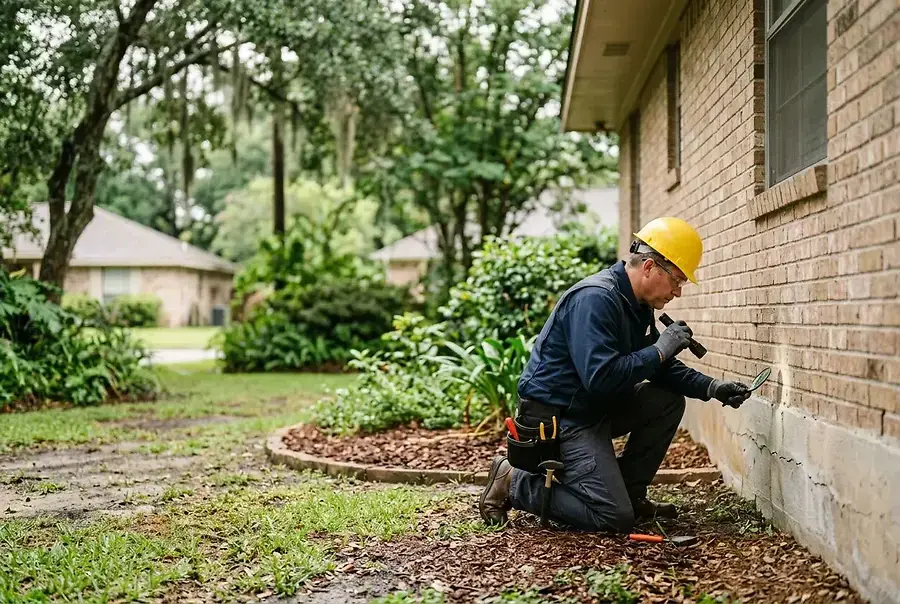
Understanding Southeast Texas Climate-Related Home Inspection Priorities
Southeast Texas presents unique environmental challenges that directly impact residential properties. The region's subtropical climate, combined with high humidity and proximity to the Gulf Coast, creates specific inspection priorities that differ from other parts of Texas.
Moisture and Humidity Concerns
The most critical climate-related issue in Southeast Texas is moisture intrusion and humidity damage. With average humidity levels consistently above 70%, homes in Beaumont, Nederland, and Port Arthur face elevated risks of mold growth, wood rot, and structural deterioration. During your inspection, pay special attention to:
- Attic ventilation and moisture barriers
- Crawl space conditions and vapor barriers
- Foundation cracks that allow water seepage
- Signs of previous water damage or mold remediation
Hurricane and Storm Preparedness
Living in Southeast Texas means understanding hurricane season risks. Inspectors should evaluate roof condition, window and door sealing, and structural reinforcement. A well-maintained roof is your first line of defense against the region's severe weather patterns. Look for missing shingles, improper installation, and adequate drainage systems.
Key Structural and Systems Issues to Watch for in This Region
Foundation Problems
Southeast Texas soil composition—often clay-heavy and prone to shifting—makes foundation issues particularly common. During inspection, look for:
- Visible cracks in foundation walls or slabs
- Uneven floors or doors that don't close properly
- Water staining or efflorescence (white mineral deposits)
- Evidence of previous foundation repairs
Foundation issues are expensive to repair, so this deserves careful scrutiny. Request a specialized foundation inspection if you notice any warning signs.
Plumbing and Water Systems
The region's mineral-rich water and high humidity create specific plumbing challenges. Inspectors should check for:
- Corrosion in copper pipes or galvanized steel
- Water pressure and flow rates
- Septic system functionality (in areas without municipal sewage)
- Proper grading to prevent water pooling near the foundation
HVAC and Electrical Systems
Air conditioning systems work overtime in Southeast Texas. Ensure the HVAC system is properly sized, well-maintained, and has adequate refrigerant levels. Electrical systems should be inspected for outdated wiring, particularly in older homes, and proper grounding in this humid environment where electrical hazards are amplified.
Working with Local Inspectors Who Know Southeast Texas Properties
Finding the Right Inspector
Not all home inspectors understand the specific challenges of Southeast Texas properties. When selecting an inspector, prioritize those with:
- Extensive experience in Beaumont, Nederland, Port Arthur, and surrounding areas
- Knowledge of regional building codes and common local issues
- Professional certifications and proper licensing
- Willingness to spend adequate time on moisture and foundation assessments
What to Expect During the Inspection
A thorough Southeast Texas home inspection typically takes 2-4 hours. The inspector should provide a detailed written report with photographs and recommendations. Attend the inspection if possible—this allows you to ask questions and understand issues firsthand.
Request specialized inspections for potential problem areas. If moisture damage is suspected, a mold inspection may be warranted. If foundation concerns exist, hire a structural engineer for a detailed assessment.
Understanding Inspector Credentials
Look for inspectors certified by the Texas Real Estate Commission (TREC) or members of professional organizations like the American Society of Home Inspectors (ASHI). These credentials indicate training in regional issues and adherence to professional standards.
Inspection Red Flags and How to Negotiate After Results
Critical Red Flags in Southeast Texas Homes
Certain findings should raise immediate concerns:
- Active mold or mildew indicates moisture problems requiring remediation
- Foundation cracks wider than 1/4 inch suggest structural movement
- Rust staining on walls or ceilings indicates water intrusion history
- Outdated electrical panels may pose safety and insurance issues
- Evidence of previous water damage without proper remediation
Negotiation Strategies After Inspection
Once you receive the inspection report, you have several options:
- Request repairs: Ask the seller to fix critical issues before closing
- Request credits: Negotiate a price reduction to cover repair costs yourself
- Request re-inspection: Verify that repairs were completed properly
- Walk away: If issues are too extensive, you can terminate the contract
Prioritizing Issues
Not all inspection findings require negotiation. Focus on structural issues, safety hazards, and major system failures. Minor cosmetic issues or deferred maintenance can often be addressed after purchase. However, moisture-related problems and foundation issues in Southeast Texas warrant serious attention and negotiation.
"A thorough home inspection is your opportunity to make an informed decision. In Southeast Texas, understanding regional challenges ensures you're protecting your investment for years to come."
Final Considerations
Remember that inspection contingencies typically allow 7-10 days for inspection and negotiation. Use this time wisely. Get multiple quotes for major repairs, consult with specialists when needed, and don't hesitate to walk away if the property's condition doesn't align with your expectations and budget.
By understanding Southeast Texas-specific inspection priorities and working with knowledgeable local professionals, you'll make a confident, informed decision about your residential purchase in Beaumont, Nederland, Port Arthur, or surrounding communities.