Essential Home Inspection Guide for Southwest Florida Homebuyers
Discover the critical inspection points every homebuyer in Cape Coral, Fort Myers, and surrounding areas must know before closing.

Why Home Inspections Matter in Southwest Florida's Unique Climate
Purchasing a home in Southwest Florida is an exciting milestone, but it comes with unique challenges that homebuyers in other regions may not face. The tropical climate, high humidity, salt air, and seasonal weather patterns create specific conditions that can affect your property's structural integrity and long-term value. A thorough home inspection is not just a formality—it's your first line of defense against costly repairs and unexpected problems.
In Cape Coral, Fort Myers, and surrounding areas, environmental factors like moisture infiltration, mold growth, and corrosion are common concerns. A professional home inspector familiar with Southwest Florida's climate can identify issues that might be overlooked by someone unfamiliar with the region's specific vulnerabilities. This guide will help you understand what to look for and why these inspections are critical to your investment.
Key Areas to Inspect: Foundation, Roof, Plumbing, and Water Damage Prevention
Foundation and Structural Integrity
The foundation is the backbone of any home. In Southwest Florida, foundations are particularly susceptible to settling and cracking due to the sandy soil composition and fluctuating water tables. During your inspection, look for:
- Visible cracks in the foundation, especially those wider than 1/4 inch
- Water stains or efflorescence (white chalky deposits) indicating moisture intrusion
- Uneven floors or doors that don't close properly, suggesting structural settling
- Pier and beam systems that may show signs of deterioration or inadequate support
A foundation inspection may require specialized equipment and expertise. Don't hesitate to request that your inspector use moisture meters and thermal imaging to detect hidden water damage.
Roof Condition and Hurricane Readiness
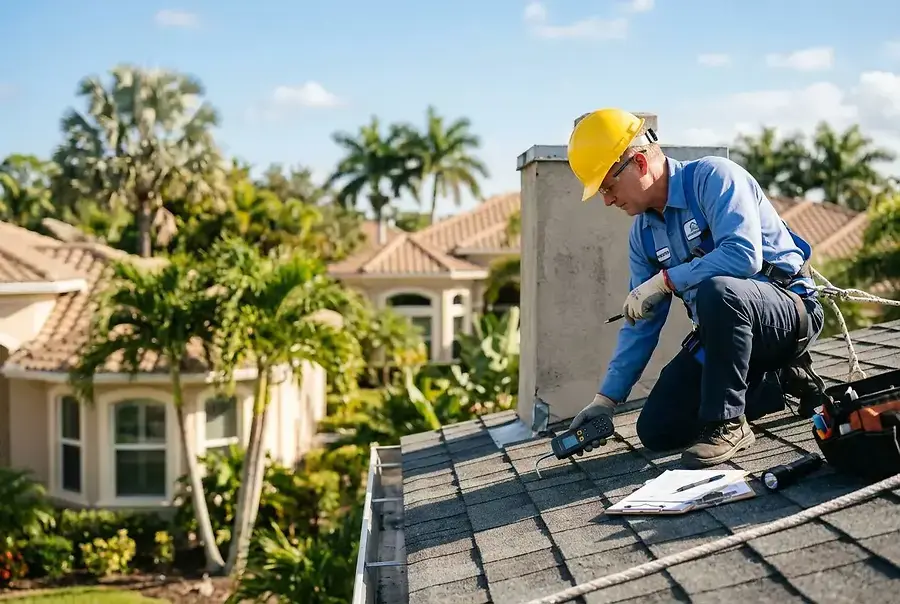
Your roof is your home's primary defense against Southwest Florida's intense sun, heavy rains, and hurricane-force winds. Inspect the roof for:
- Missing or damaged shingles that could allow water penetration
- Sagging areas indicating structural problems or water damage
- Age of the roof—most asphalt shingles last 15-20 years in Florida's climate
- Proper flashing around chimneys, vents, and skylights
- Adequate ventilation to prevent moisture buildup in the attic
Given Southwest Florida's hurricane risk, verify that the roof meets current building codes and has proper hurricane straps or clips securing the structure to the walls.
Plumbing Systems and Water Quality
Plumbing issues can be expensive and difficult to repair. In Southwest Florida, pay special attention to:
- Pipe material and age—older homes may have corroded copper or galvanized pipes
- Water pressure throughout the home, which should be between 40-80 PSI
- Drain functionality and signs of slow drains or backups
- Water heater condition and age (typically 8-12 years for tank systems)
- Salt water intrusion in coastal areas, which can accelerate corrosion
Request a water quality test if the home is on a well system. For homes on municipal water, ask about any known issues in the area.
Water Damage Prevention and Moisture Control
Water damage is the most common and costly issue in Southwest Florida homes. Your inspector should thoroughly examine:
- Exterior grading to ensure water flows away from the foundation
- Gutters and downspouts that are clean and properly directed
- Crawl spaces and basements for standing water or moisture
- Interior walls and ceilings for water stains or discoloration
- HVAC systems and condensation lines that could contribute to moisture problems
Mold prevention is critical. Look for any signs of mold growth, particularly in bathrooms, kitchens, and areas with poor ventilation. Mold remediation can be expensive and may require professional intervention.
Understanding Inspection Reports and Negotiating Repairs with Sellers
Decoding Your Inspection Report
A comprehensive home inspection report will categorize findings into three levels: safety concerns, major repairs, and minor maintenance items. Understanding this hierarchy helps you prioritize which issues to address.
Safety concerns require immediate attention and should be negotiated with the seller before closing. Major repairs like roof replacement or foundation work may warrant price reductions or seller contributions. Minor items are typically the buyer's responsibility after purchase.
Negotiation Strategies
Once you receive your inspection report, you have several options:
- Request repairs: Ask the seller to fix identified issues before closing
- Request credits: Negotiate a reduction in the purchase price to cover repairs yourself
- Request inspections: For major issues, ask the seller to provide estimates from licensed contractors
- Walk away: If repairs are too extensive, you may choose to terminate the contract
Be reasonable in your negotiations. Sellers are more likely to cooperate if you focus on significant safety and structural issues rather than cosmetic concerns. Have your real estate agent provide comparable repair costs to support your requests.
Protecting Your Real Estate Investment with a Thorough Home Inspection
A home inspection is one of the most important steps in the homebuying process. In Southwest Florida's unique climate, it's not just recommended—it's essential. By understanding what to look for and how to interpret inspection findings, you're taking control of your investment and protecting yourself from costly surprises.
Choose a licensed, experienced home inspector who specializes in Southwest Florida properties. Ask for references, verify their credentials, and don't hesitate to ask questions during the inspection process. Many inspectors offer walk-throughs where you can see issues firsthand and understand the implications.
Remember, the goal of a home inspection isn't to find reasons to back out of a deal—it's to make an informed decision and ensure you're getting fair value for your investment. With this essential guide in hand, you're well-equipped to navigate the home inspection process and move forward with confidence in your Southwest Florida home purchase.


