Essential Home Inspection Guide for St. Louis Metro Home Buyers
Discover what professional inspectors evaluate and how to use their findings to make confident purchasing decisions in the St. Louis and St. Charles area.

Understanding the Home Inspection Process in St. Louis Metro
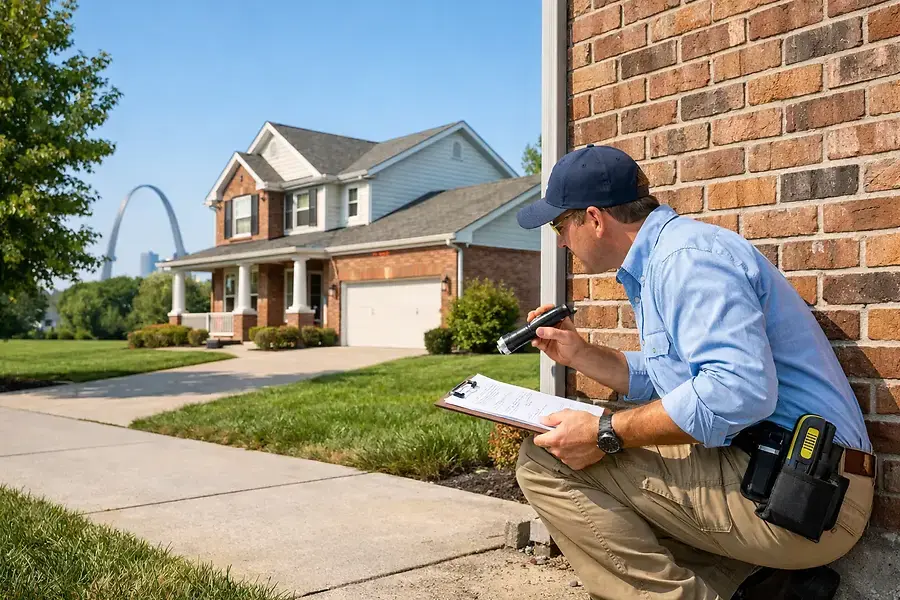
A professional home inspection is one of the most critical steps in the home buying process. In the St. Louis and St. Charles area, inspectors conduct a thorough evaluation of residential properties to identify potential issues before you commit to a purchase. This comprehensive examination typically takes 2-3 hours and covers all major systems and components of the home.
During a standard inspection, licensed professionals examine the foundation, roof, electrical systems, plumbing, HVAC systems, insulation, and interior/exterior structures. They use specialized tools and equipment to assess the condition of each component and document their findings in a detailed report. Understanding what inspectors evaluate helps you prepare questions and know what to expect from the process.
What Happens During Your Inspection
As a buyer, you have the right to be present during the inspection. This is an excellent opportunity to ask questions and learn about your potential home's condition. The inspector will walk through every accessible area, testing systems, checking for water damage, and looking for signs of structural issues. They'll document everything with photographs and detailed notes that become part of your inspection report.
Critical Issues Inspectors Identify in Regional Properties
The St. Louis metro area has unique climate and geological characteristics that can affect home conditions. Inspectors in this region are particularly attentive to issues common to the area, including:
- Foundation concerns: The clay-heavy soil in the region can cause settling and cracking. Inspectors carefully evaluate foundation integrity and look for signs of water intrusion.
- Moisture and mold: The humid climate increases the risk of moisture problems in basements and crawl spaces. Inspectors check for mold, mildew, and water damage.
- Roof condition: Severe weather patterns require inspectors to assess roof age, missing shingles, and potential leaks.
- HVAC systems: Given the temperature extremes, inspectors evaluate heating and cooling systems thoroughly to ensure they're functioning properly.
- Plumbing issues: Older homes in the area may have outdated plumbing that needs updating or repair.
Understanding the Inspection Report
Your inspection report will categorize findings into different severity levels. Major issues require immediate attention and can significantly impact your offer. Minor issues are typically maintenance items or cosmetic concerns. Understanding this distinction helps you prioritize which problems to address during negotiations.
The report includes detailed descriptions, photographs, and recommendations for repairs or further evaluation. Don't hesitate to ask your inspector to clarify any findings or explain technical terms you don't understand.
How to Use Inspection Reports to Negotiate Better Deals
An inspection report is a powerful negotiating tool. Once you receive the report, you have several options for moving forward with your purchase:
Request Repairs or Credits
If significant issues are identified, you can request that the seller either repair the problems before closing or provide a credit toward repairs you'll handle yourself. Major structural issues, electrical problems, or HVAC failures are typically negotiable items. Document everything in writing and ensure the seller agrees to specific repairs or credit amounts.
Renegotiate the Purchase Price
Inspection findings give you legitimate grounds to renegotiate your offer price. Calculate the estimated cost of repairs and adjustments needed, then propose a price reduction that reflects these expenses. Sellers are often more willing to negotiate price than to handle repairs themselves.
Walk Away if Necessary
If the inspection reveals extensive problems that would be costly to repair, you may decide the property isn't worth pursuing. This is why the inspection contingency in your purchase agreement is so important—it protects your earnest money deposit if major issues are discovered.
Prioritize Your Concerns
Not every finding requires negotiation. Focus on safety issues and major systems that affect the home's livability and value. Minor cosmetic issues or routine maintenance items are typically the buyer's responsibility after purchase.
Protecting Your Investment: Next Steps After Inspection
Once you've addressed inspection findings through negotiation or decided to proceed with the purchase, take additional steps to protect your investment:
Obtain Specialized Inspections When Needed
If the general inspection reveals potential problems with specific systems, consider hiring specialists. Radon testing, termite inspections, septic system evaluations, and mold assessments provide detailed information about particular concerns and help you make informed decisions.
Review Your Home Warranty Options
Many sellers offer home warranties that cover major systems for a limited time after purchase. Review the coverage details carefully and consider purchasing an extended warranty for additional protection on critical systems like HVAC and plumbing.
Plan Your Maintenance Schedule
Use the inspection report as a baseline for your home maintenance plan. Address any deferred maintenance promptly and establish a regular maintenance schedule for HVAC servicing, roof inspections, and other preventive care. This proactive approach protects your investment and prevents small issues from becoming major problems.
Keep Documentation
Maintain copies of your inspection report, any repair receipts, and maintenance records. This documentation is valuable for future reference, warranty claims, and when you eventually sell the property.
A thorough home inspection is an investment in your peace of mind and financial security. By understanding the inspection process, knowing what to expect, and using the findings strategically, you can make confident purchasing decisions in the St. Louis metro area and protect your real estate investment for years to come.