Essential Home Inspection Guide for Stafford, VA Home Buyers
Discover what professional inspectors look for and how to use inspection results to protect your investment.

Why Home Inspections Matter in Stafford's Competitive Market
Buying a home in Stafford, Virginia is one of the most significant financial decisions you'll make. In today's competitive real estate market, it's easy to get caught up in the excitement of finding the perfect property and overlook critical details. A professional home inspection is your safeguard against costly surprises and hidden defects that could drain your finances after closing.
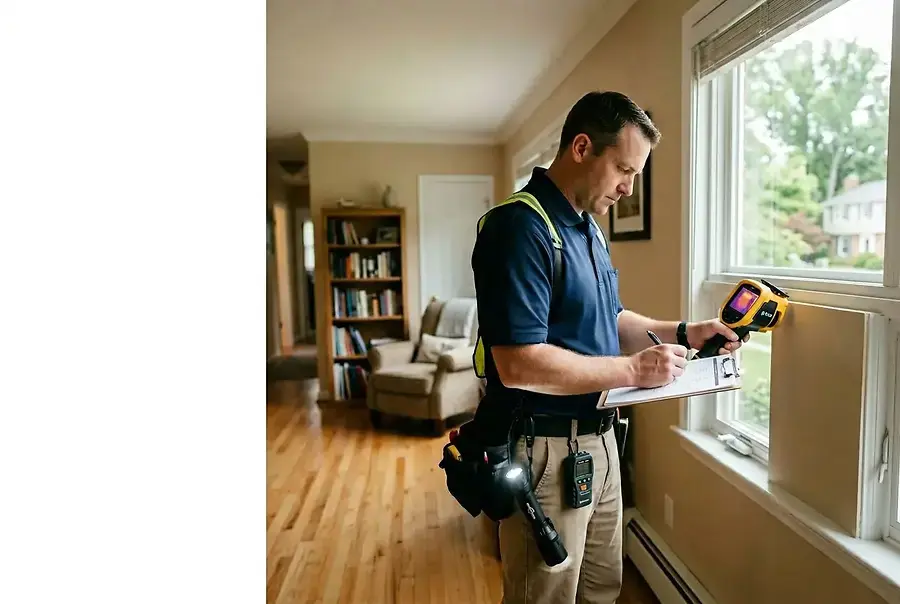
Home inspections provide an objective, third-party assessment of a property's condition. Rather than relying solely on the seller's disclosures or your own observations, a certified inspector brings expertise, specialized equipment, and a trained eye to identify issues that untrained buyers might miss. In Stafford's diverse housing market—from historic homes to newer developments—inspections are invaluable for understanding what you're truly purchasing.
The bottom line: A thorough home inspection typically costs between $300 and $500 but can save you thousands in unexpected repairs and provide leverage during negotiations.
What to Expect During a Professional Home Inspection
The Inspection Process
A standard home inspection typically lasts two to three hours, depending on the property's size and age. The inspector will systematically examine both the interior and exterior of the home, documenting findings with photographs and detailed notes.
Key Areas Inspected
- Structural Components: Foundation, framing, walls, and roof structure for signs of damage, settling, or deterioration
- Roofing: Shingles, flashing, gutters, and overall condition to assess remaining lifespan
- Exterior: Siding, windows, doors, decks, and grading for water drainage issues
- Plumbing: Water pressure, drainage, visible leaks, and the condition of pipes and fixtures
- Electrical Systems: Panel condition, outlet safety, grounding, and code compliance
- HVAC Systems: Heating and cooling equipment age, functionality, and maintenance history
- Interior: Walls, ceilings, floors, doors, and built-in appliances
- Attic and Crawl Spaces: Insulation, ventilation, moisture, and pest evidence
Understanding the Inspection Report
After the inspection, you'll receive a comprehensive report categorizing findings into three levels: safety concerns (immediate hazards), major repairs (significant expenses), and minor issues (maintenance items). The report includes photographs, descriptions, and sometimes repair cost estimates.
Pro tip: Review the report carefully and don't hesitate to ask your inspector questions. Many inspectors offer follow-up consultations to clarify findings and discuss implications.
Red Flags and Common Issues Found in Stafford Homes
Moisture and Water Damage
Stafford's humid climate and occasional heavy rainfall make water intrusion a common concern. Inspectors look for signs of water damage in basements, crawl spaces, attics, and around windows and doors. Mold growth, staining, and soft wood are serious red flags that indicate ongoing moisture problems requiring immediate attention.
Foundation Issues
Cracks in the foundation, uneven floors, or doors that don't close properly can indicate settling or structural problems. While minor cracks are normal in older homes, horizontal cracks or those wider than 1/4 inch warrant professional evaluation from a structural engineer.
Aging Systems
Homes with original HVAC systems, electrical panels, or plumbing from the 1980s and earlier may need replacement soon. Inspectors assess the remaining lifespan of major systems and flag those nearing the end of their useful life. Budget for replacements if systems are 15-20+ years old.
Roof Condition
A roof is one of the most expensive components to replace. Inspectors evaluate shingle condition, flashing integrity, and signs of leaks. Missing shingles, granule loss, and sagging areas indicate the roof may need replacement within a few years.
Pest Damage
Termites, carpenter ants, and other pests can cause significant structural damage. Inspectors look for mud tubes, wood damage, and droppings. If pest damage is found, you may need a separate pest inspection and treatment estimate.
Electrical and Plumbing Concerns
Outdated wiring, insufficient outlets, or galvanized pipes nearing the end of their lifespan are common in older Stafford homes. These issues may require upgrades for safety and functionality, representing substantial costs.
Using Inspection Results to Negotiate and Make Informed Decisions
Negotiation Strategies
Once you have the inspection report, you have several options:
- Request repairs: Ask the seller to fix major issues before closing
- Request credits: Negotiate a credit toward closing costs to handle repairs yourself
- Request price reduction: Lower the purchase price to account for necessary repairs
- Walk away: If issues are too extensive or costly, you can terminate the contract during the inspection period
Focus negotiations on safety concerns and major repairs rather than minor maintenance items. Sellers are more likely to accommodate requests for serious issues.
Making Your Final Decision
Use the inspection report to make an informed decision aligned with your budget and risk tolerance. Consider:
- The total cost of repairs and replacements needed
- Your ability and willingness to handle repairs after purchase
- The property's overall value relative to comparable homes
- Your long-term plans for the home
Remember: No home is perfect. The goal of an inspection is to understand what you're buying and negotiate accordingly, not to find reasons to walk away from a good property.
Final Thoughts
A professional home inspection is an essential investment in your Stafford home purchase. By understanding what inspectors look for, recognizing common issues, and using inspection results strategically, you protect your investment and make confident decisions. Don't skip this critical step—your future self will thank you.