Essential Home Inspection Guide for Stockton Real Estate Buyers
Learn what to look for during inspections to protect your investment in San Joaquin County's competitive real estate market.

Why Home Inspections Matter in Stockton
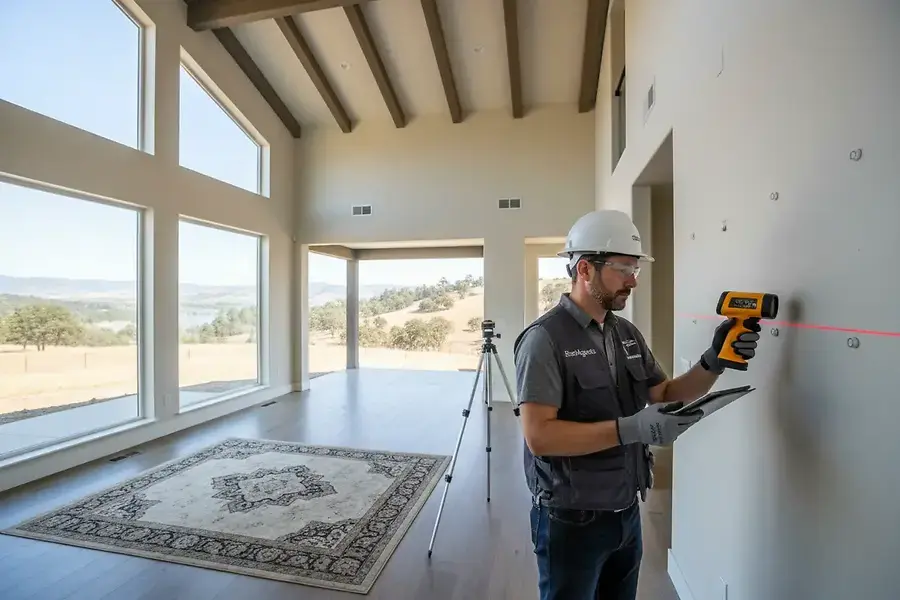
Purchasing a home is one of the most significant financial decisions you'll make, and in Stockton's competitive real estate market, thorough due diligence is essential. A professional home inspection serves as your safeguard against costly surprises after closing. In San Joaquin County, where properties range from historic homes to newer developments, inspections reveal hidden defects that could impact your safety, comfort, and long-term investment value.
Many buyers in Stockton skip or rush through inspections to make their offers more competitive. However, this approach can lead to unexpected repair costs that far exceed the inspection fee. A comprehensive inspection provides you with detailed documentation of a property's condition, giving you leverage to negotiate repairs or price adjustments before you commit to the purchase.
Key Areas to Evaluate During Your Property Inspection
Structural Integrity and Foundation
The foundation is the backbone of any home. During your inspection, look for cracks in the foundation, uneven floors, or gaps between walls and ceilings. These signs may indicate settling, water damage, or structural movement. In Stockton's climate, where soil conditions can vary significantly, foundation issues are particularly important to assess. A qualified inspector will use specialized equipment to measure foundation movement and determine if repairs are necessary.
Roofing and Exterior
Your roof protects everything beneath it, making its condition critical. Inspectors should examine:
- Shingle condition and age
- Flashing around chimneys and vents
- Gutters and downspouts
- Signs of water damage or leaks
- Exterior siding and paint condition
Northern California's weather patterns can accelerate roof deterioration, so understanding your roof's remaining lifespan helps you budget for future replacements.
Plumbing Systems
Water-related issues are among the most expensive to repair. Your inspector should test water pressure, check for leaks under sinks, inspect the water heater, and evaluate the main water line. Older homes in Stockton may have outdated plumbing materials like galvanized pipes or polybutylene, which can fail and require replacement. Ask your inspector about the age and type of pipes in the property.
Electrical Systems
Faulty electrical systems pose safety hazards and fire risks. Inspectors will examine the electrical panel, test outlets, and identify any outdated wiring. Homes built before the 1980s may lack adequate grounding or have insufficient capacity for modern electrical demands. This is crucial information for budgeting potential upgrades.
HVAC and Climate Control
Heating and cooling systems are essential for comfort in Stockton's hot summers and mild winters. Your inspector should verify that the HVAC system operates properly, check the age of the equipment, and assess maintenance records. Replacing an air conditioning unit can cost several thousand dollars, so understanding its condition is vital.
Interior Conditions
Don't overlook interior details. Inspectors should check:
- Doors and windows for proper operation
- Insulation levels in attic and walls
- Presence of mold or water damage
- Appliance functionality
- Flooring condition
Common Issues Found in Northern California Homes and How to Address Them
Water Damage and Moisture Problems
Northern California's winter rains can expose weaknesses in home construction. Water intrusion through roofs, windows, or foundations is common in older properties. If your inspection reveals water damage, request a moisture assessment and determine the source before proceeding. Mold remediation can be expensive, so this is a critical negotiation point.
Outdated Electrical Systems
Many Stockton homes still have aluminum wiring or insufficient electrical panels. These pose fire hazards and may not support modern appliances. Budget for electrical upgrades if your inspection identifies these issues, and consult with a licensed electrician about remediation costs.
Pest Damage
Termites and other pests are prevalent in California's climate. Your inspection should include a pest assessment. Wood-destroying insect damage can compromise structural integrity, so treatment and repair estimates are essential for your decision-making process.
Outdated or Failing HVAC Systems
Older air conditioning and heating systems may be inefficient or on the verge of failure. Request maintenance records and consider replacement costs in your offer negotiations. Modern, energy-efficient systems can reduce utility bills significantly.
Asbestos and Lead Paint
Homes built before the 1980s may contain asbestos in insulation, flooring, or roofing materials. Properties built before 1978 likely have lead-based paint. While these materials aren't always dangerous if undisturbed, they require careful handling during renovations. Request specialized testing if you suspect their presence.
Making Informed Decisions with Inspection Data
Once you receive your inspection report, take time to review it thoroughly. Don't panic over minor issues—every home has some wear and tear. Instead, focus on significant structural, safety, or system problems that require immediate attention.
Use your inspection findings to:
- Request repairs from the seller before closing
- Negotiate a price reduction to cover repair costs
- Obtain repair estimates for budgeting purposes
- Plan future maintenance and upgrades
- Make an informed final decision about the purchase
In Stockton's competitive market, a thorough home inspection is your best defense against costly surprises. By understanding what to look for and how to interpret inspection findings, you'll make confident decisions that protect your investment for years to come. Remember, the inspection fee is a small price compared to the potential costs of undetected problems.


