Essential Home Inspection Guide for Stuart, FL Residential Buyers
Learn what inspectors look for in Stuart's coastal properties to protect your investment and avoid costly surprises.

Introduction: Why Home Inspections Are Critical for Stuart Buyers
Purchasing a home is one of the most significant financial decisions you'll make, and in Stuart, Florida, the stakes are even higher. Coastal properties face unique environmental challenges that inland homes simply don't encounter. A thorough home inspection isn't just a formality—it's your opportunity to uncover potential problems before they become expensive headaches.
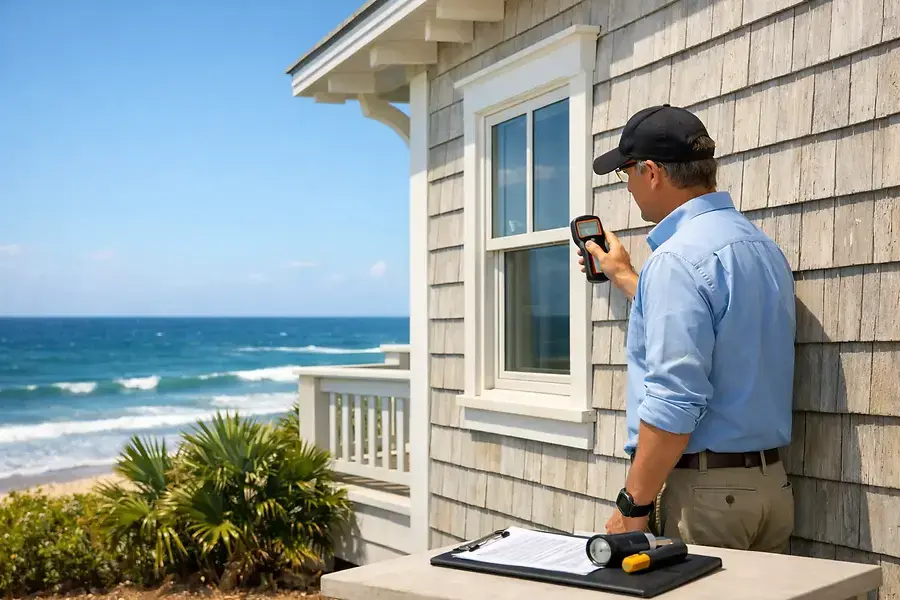
Professional home inspectors bring expertise that the average buyer lacks. They know exactly what to look for in Stuart's distinctive climate and can identify issues that might not be immediately visible. Whether you're buying a beachfront property or a home just a few miles inland, understanding the inspection process helps you protect your investment and negotiate from a position of knowledge.
Understanding Stuart's Climate-Specific Inspection Priorities
Salt Air and Corrosion Concerns
Stuart's proximity to the Atlantic Ocean means salt air is a constant presence. Inspectors pay special attention to metal components throughout the property, including:
- HVAC systems and their copper components
- Electrical conduits and wiring connections
- Roofing fasteners and metal flashing
- Outdoor fixtures and railings
Salt corrosion can compromise structural integrity and electrical safety, so inspectors test for oxidation and deterioration that might not be visible to the untrained eye.
Hurricane and Wind Damage Assessment
Living in Florida means hurricane preparedness is essential. Inspectors evaluate your home's ability to withstand severe weather by examining:
- Roof condition and attachment strength
- Window and door frame integrity
- Structural bracing and reinforcement
- Garage door safety features
A well-maintained roof is your first line of defense against Florida's intense storms. Inspectors look for missing shingles, improper installation, and signs of previous water damage that might indicate vulnerability.
Moisture and Humidity Management
Stuart's tropical climate creates persistent moisture challenges. Inspectors examine:
- Foundation and basement moisture intrusion
- Attic ventilation and moisture accumulation
- HVAC system dehumidification capacity
- Bathroom and kitchen exhaust systems
Proper moisture control prevents mold growth, wood rot, and structural damage that can develop rapidly in humid environments.
Red Flags and Common Issues Found in Stuart Residential Properties
Water Intrusion and Flooding Risks
Water damage is the most common issue inspectors find in Stuart homes. This includes:
- Cracks in foundations or concrete slabs
- Water stains on ceilings and walls
- Soft spots in flooring indicating moisture damage
- Inadequate grading around the property
Understanding your home's flood zone designation and elevation is critical. Inspectors verify that the property meets current flood mitigation standards and that drainage systems function properly.
Plumbing and Pipe Deterioration
Older Stuart homes often have plumbing systems that have deteriorated due to salt air and mineral-heavy water. Common findings include:
- Corroded copper pipes requiring replacement
- Polybutylene pipes prone to failure
- Inadequate water pressure or flow
- Failing septic systems in non-municipal areas
A comprehensive plumbing inspection can reveal issues that affect both your comfort and your home's value.
Electrical System Vulnerabilities
Salt air accelerates electrical component degradation. Inspectors look for:
- Outdated electrical panels and breakers
- Corroded wiring and connections
- Inadequate grounding systems
- Non-compliant outlets in wet areas
Electrical safety is non-negotiable, especially in a coastal environment where corrosion happens faster.
HVAC System Efficiency and Maintenance
Air conditioning systems work overtime in Stuart's heat and humidity. Inspectors evaluate:
- System age and remaining lifespan
- Refrigerant levels and leaks
- Ductwork condition and insulation
- Maintenance history and cleanliness
A failing HVAC system can cost $5,000 to $15,000 to replace, making this assessment crucial for your budget planning.
Roof and Exterior Envelope Issues
Your roof is your home's primary defense against the elements. Common problems include:
- Improper installation or inadequate fastening
- Missing or damaged shingles and flashing
- Inadequate ventilation leading to premature aging
- Improper slope affecting water drainage
Roof replacement is one of the most expensive home repairs, so a detailed inspection of this component is essential.
Conclusion: Using Inspection Results to Make Confident Purchase Decisions
A comprehensive home inspection provides you with detailed information about the property's condition. Once you receive the inspection report, you have several options:
Negotiate repairs or credits: Use significant findings to request that the seller address issues or provide credits toward repairs.
Request specialized inspections: If the general inspection reveals concerns, hire specialists for deeper evaluation of specific systems.
Walk away if necessary: If issues are too extensive or expensive, you have the right to terminate your offer during the inspection period.
Plan for future maintenance: Even minor findings help you budget for upcoming repairs and maintenance.
Stuart's unique coastal environment requires buyers to be especially vigilant about home condition. By understanding what inspectors look for and taking their findings seriously, you protect your investment and ensure your new home is safe, sound, and ready for years of enjoyment. Don't skip the inspection or choose a cut-rate inspector—this is one area where professional expertise truly pays dividends.


