Essential Home Inspection Guide for Tampa & Fort Myers Homebuyers
Learn what to look for during inspections to protect your investment in Florida's competitive real estate market.

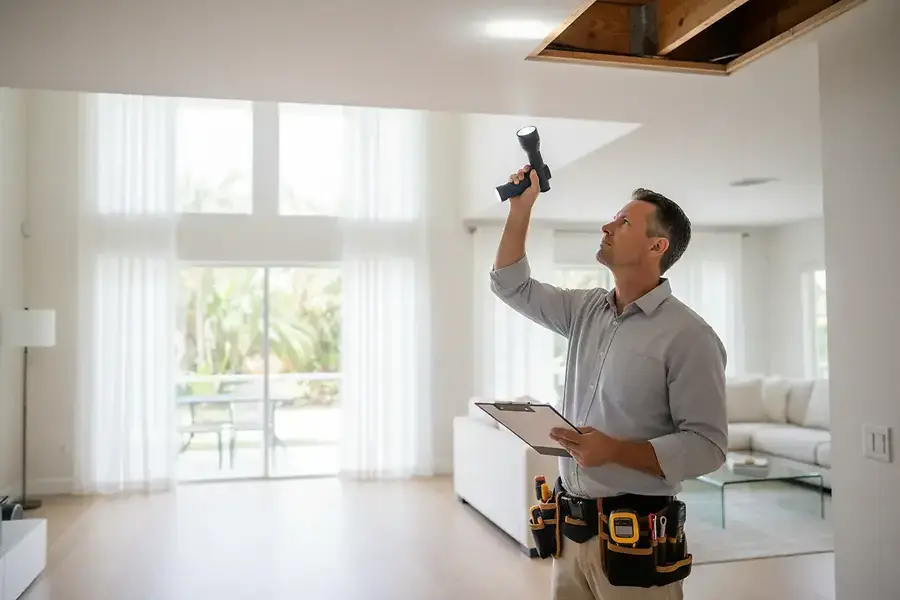
Why Home Inspections Matter in Tampa & Fort Myers
Purchasing a home is one of the most significant financial decisions you'll make in your lifetime. In the competitive real estate markets of Tampa and Fort Myers, where properties move quickly and competition is fierce, a thorough home inspection is your best defense against costly surprises. A professional home inspection provides an objective evaluation of a property's condition, helping you understand exactly what you're investing in.
Florida's unique climate presents specific challenges that homebuyers must understand. The intense heat, humidity, and occasional hurricanes can take a toll on homes in ways that buyers from other regions might not anticipate. Additionally, the sandy soil and high water table in these areas can lead to foundation issues that aren't immediately visible to the untrained eye. A qualified inspector will identify these regional concerns before you sign on the dotted line.
Don't skip the inspection to save money or speed up the closing process. The cost of a professional inspection—typically $300 to $500—is minimal compared to the potential expenses of addressing undiscovered problems after purchase.
Key Areas to Inspect: Foundation, Roof, and Plumbing Systems
Foundation and Structural Integrity
The foundation is literally the backbone of your home. In Tampa and Fort Myers, foundation issues are particularly common due to the region's sandy soil composition and moisture levels. During an inspection, look for:
- Cracks in the foundation – Small hairline cracks may be normal, but larger or widening cracks warrant concern
- Uneven floors – Walk through the home and notice if floors slope or feel uneven
- Water stains or moisture – These indicate potential water intrusion problems
- Gaps between walls and doors/windows – This can signal foundation settling or shifting
Pro tip: Ask your inspector about the home's history of foundation repairs. Previous repairs don't necessarily mean problems, but they're important to document.
Roof Condition and Weather Resistance
Your roof is your home's first line of defense against Florida's intense weather. Given the region's exposure to hurricanes and heavy rainfall, roof condition is critical. During inspection, examine:
- Shingle condition – Look for missing, curled, or deteriorating shingles
- Flashing integrity – Damaged flashing around chimneys and vents allows water penetration
- Roof age – Most asphalt shingles last 15-20 years; older roofs may need replacement soon
- Attic ventilation – Proper ventilation prevents moisture buildup and extends roof life
- Hurricane tie-downs – In Florida, these reinforcements are essential for structural safety
Request documentation of any previous roof repairs or replacements. This information helps you understand the roof's remaining lifespan and potential future costs.
Plumbing Systems
Florida's high water table and mineral-rich water can create unique plumbing challenges. During your inspection, have the inspector evaluate:
- Water pressure and flow – Test all fixtures to ensure adequate water pressure throughout the home
- Pipe material and condition – Older homes may have corroded pipes that need replacement
- Drainage systems – Slow drains can indicate blockages or deteriorating pipes
- Water heater age and condition – Water heaters typically last 8-12 years
- Septic or sewer systems – If applicable, ensure proper function and maintenance records
Ask about the home's water treatment system. Some homes have water softeners or filtration systems that may need maintenance or replacement.
Understanding Inspection Reports and Red Flags
What to Expect in Your Report
A comprehensive home inspection report should include detailed findings organized by system and area. The report typically categorizes issues by severity: safety concerns, major repairs needed, and minor maintenance items. Take time to read the entire report carefully and ask your inspector to explain anything you don't understand.
Recognizing Red Flags
Certain findings should raise immediate concerns and warrant further investigation:
- Structural damage – Significant foundation cracks, water damage, or pest damage
- Electrical hazards – Outdated wiring, improper grounding, or fire hazards
- Mold or moisture issues – Extensive mold growth or persistent moisture problems
- Roof damage – Significant deterioration or recent storm damage
- HVAC system failure – Non-functional heating or cooling systems in Florida's climate
- Plumbing failures – Leaks, corrosion, or sewage backup issues
"A home inspection is not a pass-or-fail test. Rather, it's a detailed inventory of the property's condition that empowers you to make an informed decision."
Using Inspection Results in Negotiations
Armed with your inspection report, you have leverage in negotiations. You can:
- Request repairs be completed before closing
- Ask for credits to cover repair costs yourself
- Renegotiate the purchase price based on needed repairs
- Walk away if issues are too significant or costly
Work with your real estate agent to determine which issues are negotiable and which are deal-breakers for your situation.
Making Informed Decisions with Inspection Results
The home inspection is your opportunity to gather critical information before committing to one of the largest purchases of your life. In Tampa and Fort Myers' competitive markets, don't let urgency override due diligence. Take the time to thoroughly review inspection findings and understand their implications.
Consider getting a second opinion from specialists if major issues are identified. For example, if significant foundation problems are found, a structural engineer's assessment can provide additional clarity. Similarly, a licensed electrician can evaluate electrical concerns, and a roofer can assess roof damage.
Remember that every home has some issues—the question is whether those issues are acceptable to you and whether they're priced into the offer. A well-conducted home inspection gives you the information needed to answer these questions confidently.
By prioritizing a thorough home inspection and carefully reviewing the results, you're taking a crucial step toward protecting your investment and ensuring your new Florida home is everything you expect it to be.