Essential Home Inspection Guide for Tampa Bay Residential Buyers
Learn what to look for during inspections to make confident purchasing decisions in Florida's competitive real estate market.

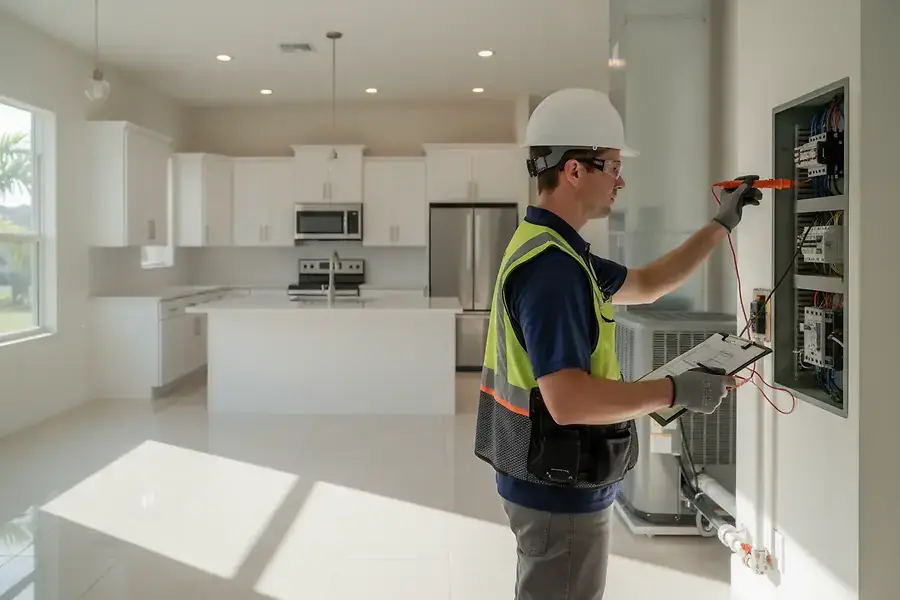
Why Professional Home Inspections Are Critical for Buyers
Purchasing a home is one of the most significant financial decisions you'll make in your lifetime. In Tampa Bay's competitive real estate market, where properties move quickly and prices continue to climb, a professional home inspection is your best defense against costly surprises. A thorough inspection provides an objective assessment of the property's condition, helping you understand exactly what you're investing in.
Many buyers skip or rush through inspections to stay competitive in a fast-paced market, but this approach can lead to expensive repairs and safety issues down the road. A certified home inspector will identify problems that untrained eyes might miss—from hidden water damage to electrical hazards. This knowledge empowers you to make informed decisions, negotiate repairs or credits, or walk away if the issues are too significant.
Key benefits of professional home inspections include:
- Identifying structural and safety concerns before closing
- Uncovering hidden damage from Florida's humidity and weather
- Providing documentation for insurance and warranty purposes
- Establishing a baseline for future maintenance planning
- Strengthening your negotiating position with sellers
Structural, Foundation, and Exterior Elements to Evaluate
Foundation and Structural Integrity
Florida's sandy soil and high water table make foundation issues particularly common in the Tampa Bay area. During your inspection, pay close attention to any visible cracks in the foundation, walls, or concrete slabs. Horizontal cracks are generally more concerning than vertical ones, as they may indicate serious structural movement.
Look for signs of settling, such as doors and windows that don't close properly or gaps between walls and ceilings. The inspector should also check for evidence of previous foundation repairs, which could indicate ongoing issues.
Roof and Exterior Condition
Florida's intense sun, salt air, and hurricane-force winds take a toll on roofing materials. Your inspector should evaluate the roof's age, condition, and remaining lifespan. Most asphalt shingles last 15-20 years, so if the roof is approaching this age, budget for replacement soon after purchase.
The exterior assessment should also include:
- Siding condition and signs of water intrusion
- Flashing around chimneys, vents, and skylights
- Gutters and downspouts for proper drainage
- Windows and doors for air leaks and water damage
- Deck or patio structural integrity
Moisture and Water Damage
In Florida's humid climate, moisture problems are nearly inevitable. Inspectors should check for mold, mildew, and water stains in attics, crawl spaces, and basements. Water damage is one of the most expensive issues to remediate, so identifying its source early is crucial. Look for evidence of previous water intrusion and ask about any history of flooding or water damage.
Interior Systems: Plumbing, Electrical, HVAC, and Roofing Assessment
Plumbing Systems
Florida homes often have older plumbing systems that may need updating. The inspector should test water pressure, check for leaks under sinks and around toilets, and evaluate the condition of visible pipes. Polybutylene pipes, common in homes built in the 1980s-1990s, are prone to failure and may need replacement.
Ask about the water heater's age and condition. Most water heaters last 8-12 years, so if yours is older, plan for replacement. The inspector should also verify that the home has proper drainage and that the septic system (if applicable) is functioning correctly.
Electrical Systems
A qualified inspector will evaluate the electrical panel, outlets, and wiring throughout the home. Outdated or unsafe electrical systems are serious safety hazards that require professional remediation. Look for signs of:
- Aluminum wiring (a fire hazard in older homes)
- Insufficient grounding or bonding
- Missing GFCI outlets in bathrooms and kitchens
- Overloaded circuits or improper breaker sizing
- Outdated panels that may not meet current code
HVAC Systems
In Tampa Bay's hot, humid climate, a functioning air conditioning system is essential. The inspector should evaluate the age, condition, and efficiency of your HVAC system. Most AC units last 10-15 years, so factor replacement costs into your budget if the system is aging.
Ensure the system is properly sized for the home and that ductwork is sealed and insulated. Poor HVAC performance can lead to high energy bills and comfort issues, so this deserves careful attention during your inspection.
Additional Interior Considerations
Beyond major systems, the inspector should evaluate:
- Insulation levels in attics and walls
- Ventilation in bathrooms and kitchens
- Appliance condition and functionality
- Interior walls and ceilings for damage or defects
- Flooring condition and potential hazards
Using Inspection Reports to Negotiate and Protect Your Investment
Once you receive the inspection report, you have several options. Don't panic if minor issues are found—every home has some defects. Instead, focus on significant problems that affect safety, functionality, or value.
You can request that the seller make repairs before closing, offer credits toward repairs you'll handle yourself, or renegotiate the purchase price. In a competitive market, be strategic about which issues you prioritize. Major structural problems, electrical hazards, or failing HVAC systems warrant serious negotiation, while cosmetic issues may not be worth the battle.
A thorough home inspection is your opportunity to make an informed decision and protect your investment. Don't rush this critical step, even in a fast-moving market.
Keep your inspection report for future reference. It serves as documentation of the home's condition at purchase and helps you plan maintenance and repairs. Share it with your insurance agent, as some issues may affect your coverage or premiums.
By understanding what to look for during a home inspection and using the results strategically, you'll navigate Tampa Bay's real estate market with confidence and protect one of your most important investments.