Essential Home Inspection Guide for Tampa Bay Residential Buyers
Learn what professional inspectors look for and why this crucial step protects your residential investment in Florida's competitive market.

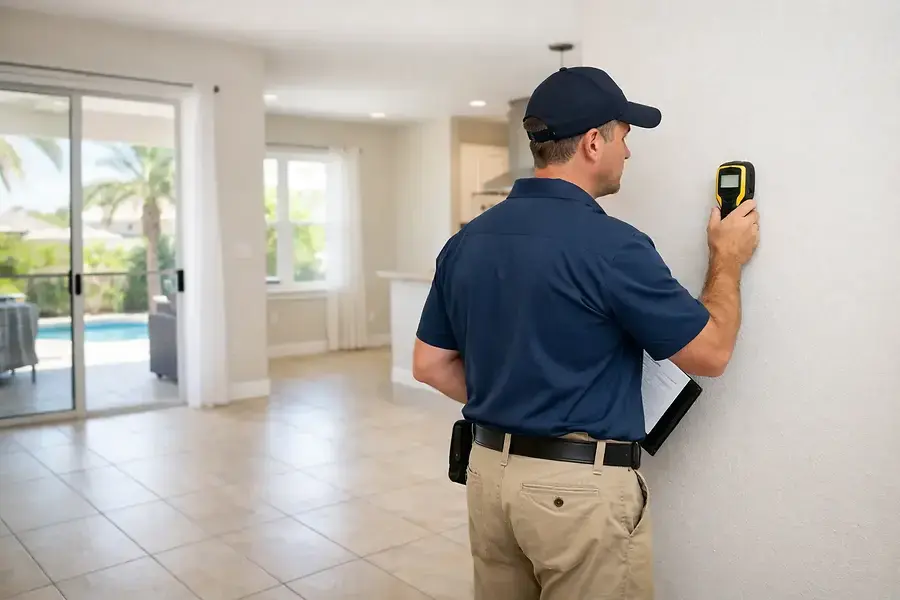
Understanding the Tampa Bay Home Inspection Process
A home inspection is one of the most important steps in the residential buying process, especially in the competitive Tampa Bay market. This professional evaluation provides you with a detailed assessment of a property's condition before you finalize your purchase. Understanding what this process entails helps you make informed decisions and avoid costly surprises down the road.
In Florida, home inspections typically take between two to four hours, depending on the property's size and age. A licensed inspector will examine both the interior and exterior of the home, checking structural integrity, mechanical systems, and potential safety hazards. The inspector will provide you with a comprehensive written report detailing their findings, which becomes a valuable tool for negotiating repairs or price adjustments.
Why Home Inspections Matter in Florida
Florida's unique climate presents specific challenges that inspectors must evaluate. The state's humidity, salt air, and frequent weather events can accelerate wear and tear on homes. Additionally, Florida's building codes and regulations differ from other states, making it essential to work with inspectors familiar with local requirements and common issues specific to the region.
Critical Areas Inspectors Evaluate in Florida Homes
Roof and Exterior Structures
Your roof is your home's first line of defense against Florida's intense sun and hurricane-force winds. Inspectors carefully examine roofing materials, flashing, gutters, and drainage systems. They look for signs of damage, improper installation, or materials that may not meet current Florida building codes. The condition of the roof significantly impacts your home's value and your insurance premiums.
Foundation and Structural Integrity
Florida's sandy soil and high water table create unique foundation challenges. Inspectors assess the foundation for cracks, settling, or water intrusion. They evaluate the home's structural support systems and check for signs of pest damage, particularly from termites, which are prevalent in Florida. Any structural issues can be expensive to repair and may affect your financing options.
Plumbing and Water Systems
Florida's corrosive salt air and mineral-rich water can damage plumbing systems over time. Inspectors test water pressure, check for leaks, and evaluate the condition of pipes, fixtures, and water heaters. They also examine the septic system if the property uses one instead of municipal sewer. Proper drainage and water management are critical in Florida's climate.
HVAC and Cooling Systems
Air conditioning is essential in Tampa Bay, making HVAC systems a critical focus area. Inspectors evaluate the age and condition of your cooling system, check refrigerant levels, and assess ductwork. They ensure the system is properly sized for the home and functioning efficiently. A failing AC system can be one of the most expensive repairs homeowners face.
Electrical Systems and Safety
Inspectors examine the electrical panel, wiring, outlets, and switches for safety hazards and code compliance. They check for outdated systems that may not meet current standards and identify potential fire hazards. Proper grounding and adequate electrical capacity are essential, especially in older Tampa Bay homes.
Moisture and Mold Concerns
Florida's humidity creates ideal conditions for mold growth. Inspectors look for signs of water damage, moisture intrusion, and mold in attics, crawl spaces, and bathrooms. They assess ventilation systems and drainage around the foundation. Addressing moisture issues early prevents costly mold remediation and health concerns.
How to Prepare for and Respond to Inspection Findings
Before the Inspection
Prepare for the inspection by ensuring the property is accessible. Make sure the inspector can reach the attic, crawl spaces, and mechanical systems. Clear pathways and remove obstacles. Provide the inspector with any documentation about recent repairs, maintenance records, or known issues. This transparency helps the inspector provide a more accurate assessment.
During the Inspection
While you're not required to be present, attending the inspection is highly recommended. Walk through with the inspector and ask questions about their findings. Understanding the issues firsthand helps you make better decisions later. Take notes and photos of any concerns the inspector identifies.
Reviewing the Inspection Report
Once you receive the inspection report, review it carefully. The report will categorize findings by severity—from critical safety issues to minor maintenance items. Focus on major structural problems, safety hazards, and expensive system failures. Minor cosmetic issues are typically not negotiable, but significant repairs warrant discussion with the seller.
Negotiating Based on Findings
Use the inspection report as a negotiating tool. You have several options: request the seller make repairs before closing, ask for a credit toward repairs you'll handle yourself, or request a price reduction. In Tampa Bay's competitive market, be strategic about which issues you prioritize. Focus on items that affect safety, structural integrity, or major systems.
Protecting Your Investment: Next Steps After Inspection
Addressing Critical Issues
Don't ignore critical findings. Issues like roof damage, foundation problems, or faulty electrical systems can become expensive emergencies. Ensure these are resolved before closing, either through seller repairs or appropriate price adjustments. Get written confirmation that repairs meet Florida building codes.
Planning for Future Maintenance
Use the inspection report as a maintenance roadmap. The inspector often identifies items that don't require immediate attention but will need care in the coming years. Budget for these anticipated expenses and schedule regular maintenance to prevent costly repairs. Proper maintenance protects your investment and maintains your home's value.
Obtaining Specialized Inspections
Consider hiring specialists for specific concerns. Mold inspectors, termite inspectors, and pool inspectors can provide detailed assessments of particular systems. While these add to your inspection costs, they provide peace of mind and detailed information about specialized areas.
Keeping Documentation
Maintain copies of your inspection report and all repair documentation. This information is valuable for future reference, warranty claims, and when you eventually sell the property. It demonstrates that you've maintained the home properly and can help with insurance claims if needed.
A thorough home inspection is your best protection when buying residential property in Tampa Bay. By understanding what inspectors evaluate, preparing properly, and responding strategically to findings, you ensure that your investment is sound and protected. Don't rush this critical step—take time to review findings carefully and make informed decisions that safeguard your financial future in Florida's real estate market.


