Essential Home Inspection Guide for Texarkana and Hooks Real Estate Buyers
Discover what professional home inspectors look for and how to protect your investment in Northeast Texas residential properties.

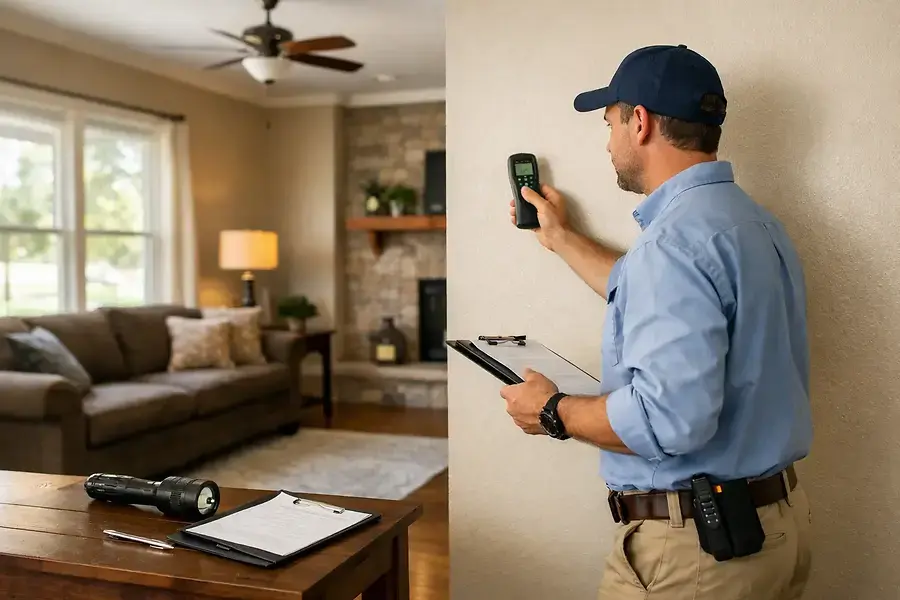
Understanding the Home Inspection Process in Northeast Texas
A home inspection is one of the most critical steps in the real estate buying process, especially in the Texarkana and Hooks area. This thorough evaluation of a property's condition provides you with essential information before making one of the largest financial decisions of your life.
What Is a Home Inspection?
A professional home inspection is a comprehensive examination of a residential property's physical structure and systems. Licensed inspectors evaluate everything from the foundation to the roof, examining electrical systems, plumbing, HVAC units, and more. In Northeast Texas, inspections typically last between two to four hours, depending on the home's size and age.
Why It Matters in Texarkana and Hooks
The climate and construction styles in Northeast Texas present unique challenges. Homes in this region often experience issues related to humidity, soil composition, and seasonal weather patterns. A qualified inspector familiar with local building practices and common regional problems will provide invaluable insights specific to your property.
Choosing the Right Inspector
Select an inspector who is licensed in Texas and has experience with properties in the Texarkana and Hooks area. Look for professionals who are members of the American Society of Home Inspectors (ASHI) or the Texas Real Estate Commission (TREC). Don't hesitate to ask for references and verify their credentials before hiring.
Common Issues Found in Texarkana and Hooks Homes
Understanding the typical problems found in Northeast Texas properties helps you know what to watch for during your inspection.
Foundation and Structural Concerns
The clay-heavy soil common in this region can cause foundation settling and cracking. Inspectors look for signs of foundation movement, including:
- Cracks in concrete slabs or basement walls
- Uneven floors or doors that don't close properly
- Water intrusion in basements or crawl spaces
- Evidence of previous foundation repairs
Roof and Weather-Related Damage
Northeast Texas experiences significant weather variations, which can impact roofing systems. Common issues include:
- Missing or damaged shingles from wind and storms
- Improper drainage leading to water damage
- Deteriorated flashing around chimneys and vents
- Inadequate ventilation causing premature aging
Plumbing and Water Issues
Water problems are among the most expensive issues to repair. Inspectors carefully examine:
- Galvanized pipes that may be corroded or failing
- Water pressure and drainage problems
- Evidence of past or present leaks
- Septic system condition (for homes not on municipal water)
HVAC System Efficiency
Given the hot summers and occasional cold winters in Texarkana and Hooks, heating and cooling systems are crucial. Inspectors evaluate:
- Age and condition of air conditioning units
- Furnace functionality and safety
- Proper ductwork installation and sealing
- Thermostat operation and efficiency
Electrical System Safety
Outdated electrical systems pose serious safety risks. Inspectors check for:
- Adequate grounding and bonding
- Outdated or unsafe panel configurations
- Insufficient outlets and circuits for modern living
- Proper installation of GFCI outlets in wet areas
How to Prepare for Your Home Inspection and Review Results
Before the Inspection
Preparation ensures you get the most value from your inspection. Consider these steps:
- Ensure the inspector has full access to all areas of the home
- Gather any available maintenance records or warranties
- Make a list of specific concerns you want addressed
- Plan to be present during the inspection to ask questions
During the Inspection
Your presence during the inspection is invaluable. Walk through the property with the inspector and ask questions about findings. Take notes on items of concern and request clarification on technical issues. This is your opportunity to learn about the home's condition firsthand.
Understanding Your Inspection Report
The inspection report will categorize findings into different severity levels. Most reports use categories such as:
- Safety Issues: Problems that pose immediate danger
- Major Repairs: Significant systems needing replacement or repair
- Minor Issues: Small problems that should be addressed
- Maintenance Items: Routine upkeep recommendations
Take time to review the report thoroughly and research any unfamiliar terms or systems mentioned.
Taking Action: Next Steps After Your Inspection Report
Negotiating with the Seller
Armed with your inspection report, you have several options. You can request that the seller make repairs, offer a credit toward closing costs, or negotiate a lower purchase price.
Remember: the inspection report is a negotiation tool that protects your interests as a buyer.
Getting Specialist Inspections
For significant issues identified in the general inspection, consider hiring specialists:
- Structural engineers for foundation concerns
- Roofing contractors for roof damage assessment
- Plumbers for water system issues
- HVAC technicians for heating and cooling problems
Planning Your Budget
Use the inspection report to plan for future repairs and maintenance. Prioritize safety issues first, then address major systems that may fail soon. This helps you budget appropriately for homeownership in the Texarkana and Hooks area.
Final Walkthrough
Before closing, conduct a final walkthrough to ensure any agreed-upon repairs were completed satisfactorily. Verify that the home's condition matches the inspection report and that no new damage has occurred.
A thorough home inspection is your best defense against unexpected expenses and safety hazards. By understanding the inspection process, knowing what to look for in Northeast Texas homes, and taking appropriate action based on findings, you protect your investment and ensure peace of mind in your new home.


