Essential Home Inspection Guide for Toledo Residential Buyers
Learn what to look for during a home inspection to avoid costly surprises and make confident purchasing decisions in Toledo's real estate market.

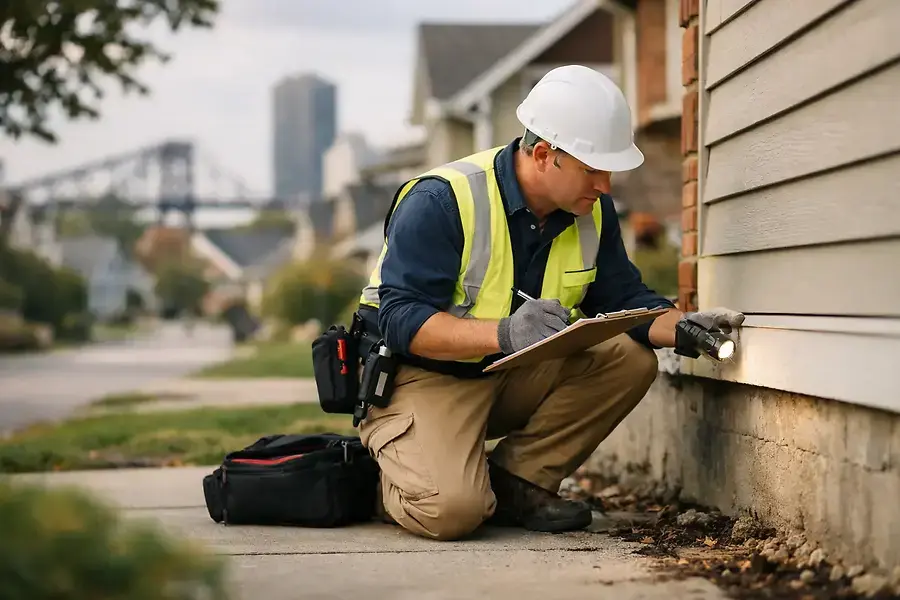
Understanding the Home Inspection Process and What Inspectors Evaluate
Purchasing a home is one of the most significant financial decisions you'll make. In Toledo's competitive real estate market, a thorough home inspection is your best defense against hidden defects and unexpected repair costs. A professional home inspector will spend 2-4 hours examining your potential property, evaluating everything from the foundation to the roof.
During a standard inspection, inspectors assess the structural integrity, electrical systems, plumbing, HVAC systems, and overall condition of the property. They'll provide a detailed report documenting their findings, which becomes a crucial tool for negotiation and decision-making. Understanding what inspectors look for helps you ask informed questions and identify potential issues before closing.
What's Included in a Standard Inspection
A comprehensive home inspection covers:
- Structural components - Foundation, walls, and framing
- Exterior elements - Roof, siding, gutters, and drainage
- Interior systems - Electrical, plumbing, and HVAC
- Appliances - Functionality and age of major systems
- Safety features - Smoke detectors, carbon monoxide detectors, and handrails
Critical Areas to Examine: Foundation, Roof, HVAC, and Plumbing Systems
Foundation and Structural Integrity
The foundation is the backbone of any home. In Toledo, where soil conditions and weather patterns can affect structural stability, inspectors pay special attention to cracks, settling, and water intrusion. Look for horizontal cracks, bowing walls, or signs of water damage in basements - these can indicate serious structural problems requiring expensive repairs.
Minor vertical cracks are often normal, but horizontal cracks or cracks wider than 1/4 inch warrant further investigation by a structural engineer.
Roof Condition and Age
Your roof is your home's first line of defense against the elements. Inspectors evaluate shingle condition, flashing integrity, and overall age. A roof typically lasts 15-25 years depending on materials and maintenance. If your potential home has an older roof, budget for replacement within the next few years.
Watch for:
- Missing or curled shingles
- Sagging roof lines
- Improper flashing around chimneys and vents
- Moss or algae growth indicating moisture issues
HVAC Systems
Heating and cooling systems are essential for comfort and can be expensive to replace. Inspectors test both heating and air conditioning functionality and assess the age of equipment. Systems older than 15-20 years may need replacement soon, which can cost $5,000-$10,000 or more.
Ask the inspector about maintenance history and whether the system has been regularly serviced. Well-maintained systems often outlast neglected ones.
Plumbing Systems
Water damage is one of the costliest issues homeowners face. Inspectors check for leaks, water pressure, drainage issues, and the type of pipes used. Older homes in Toledo may have outdated plumbing materials that could require replacement. Galvanized pipes, common in older homes, often corrode and restrict water flow.
Pay attention to:
- Water stains on ceilings or walls indicating past leaks
- Slow drains or backed-up sewage
- Corrosion or discoloration around pipes
- Age and condition of the water heater
Red Flags and Deal-Breakers: When to Walk Away or Negotiate Repairs
Serious Issues That Require Attention
Not all inspection findings are created equal. Some issues are minor cosmetic concerns, while others represent serious safety or structural problems. Major red flags include:
- Significant foundation damage - Horizontal cracks, severe settling, or bowing walls
- Roof leaks or severe damage - Active leaks or structural compromise
- Electrical hazards - Outdated wiring, improper grounding, or fire hazards
- Mold or severe water damage - Indicates ongoing moisture problems
- Pest infestations - Termites, rodents, or other structural pests
- Asbestos or lead paint - Health hazards requiring professional remediation
When to Walk Away
Some issues are deal-breakers that make a property too risky or expensive to pursue. If inspection reveals extensive foundation damage, severe mold, or multiple major system failures, walking away may be the wisest choice.
Remember: there are always other homes on the market. Don't let emotions override practical judgment.
When to Negotiate
Minor issues and routine maintenance items are negotiable. You can request the seller make repairs, provide credits for repairs, or offer a price reduction. Common negotiation points include:
- Roof repairs or replacement allowance
- HVAC servicing or replacement
- Plumbing repairs and updates
- Cosmetic improvements and maintenance
Using Inspection Results to Negotiate Better Offers and Protect Your Investment
Leveraging the Inspection Report
Your inspection report is a powerful negotiation tool. Use it strategically to request repairs, credits, or price reductions based on documented findings. Provide the seller with specific repair estimates for major issues to support your negotiation position.
Creating a Repair Strategy
Prioritize repairs based on safety, functionality, and cost. Address critical structural and safety issues immediately, schedule routine maintenance items within the first year, and plan for larger projects like roof or HVAC replacement in your budget timeline.
Protecting Your Long-Term Investment
A thorough home inspection protects your investment by identifying issues before you commit to the purchase. This knowledge allows you to make informed decisions, negotiate fairly, and plan for future maintenance. After closing, maintain detailed records of all repairs and maintenance to preserve your home's value.
By understanding what inspectors evaluate, knowing which issues matter most, and using inspection results strategically, you'll navigate Toledo's real estate market with confidence and protect your most valuable asset.


