Essential Home Inspection Guide for Tulsa County Residential Buyers
What every residential buyer in Tulsa County communities needs to know before closing on their property.

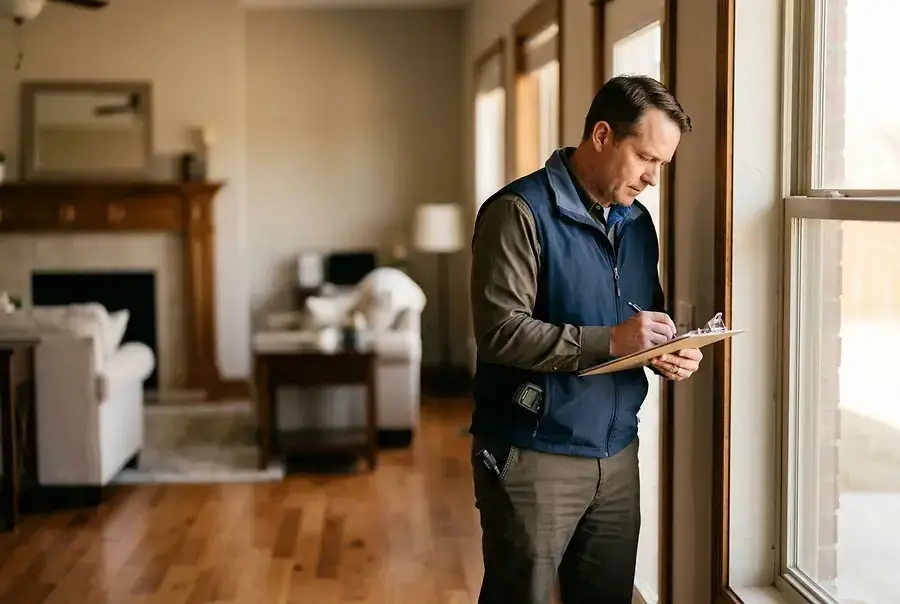
Introduction: Why Home Inspections Matter in Tulsa County's Real Estate Market
Purchasing a home is one of the most significant financial decisions you'll make in your lifetime. In Tulsa County, where the real estate market continues to grow and evolve, a professional home inspection has become an essential step in the buying process. A thorough inspection provides you with critical information about the property's condition, helping you avoid costly surprises after closing.
Home inspections serve as your protection against hidden defects and structural issues that may not be visible during a casual walkthrough. Whether you're buying a newly constructed home or a property built decades ago, understanding what inspectors look for can help you make informed decisions and negotiate repairs or price adjustments before finalizing your purchase.
Key Areas Professional Inspectors Evaluate in Residential Properties
Structural Components and Foundation
Professional inspectors begin by examining the home's foundation and structural integrity. In Tulsa County, where soil conditions can vary significantly, foundation issues are particularly important to assess. Inspectors look for cracks, settling, water damage, and signs of foundation movement that could indicate serious problems requiring expensive repairs.
Roofing and Exterior
The roof is your home's first line of defense against the elements. Inspectors evaluate:
- Roof condition and remaining lifespan
- Shingle integrity and potential leaks
- Gutters and downspout functionality
- Exterior walls, siding, and paint condition
- Windows and doors for proper sealing and operation
Plumbing Systems
A comprehensive plumbing inspection includes checking water pressure, drainage systems, and the condition of pipes throughout the home. Inspectors test fixtures, look for leaks, and assess the water heater's age and condition. In Tulsa County homes, inspectors pay special attention to water quality issues and potential mineral buildup common to the region.
Electrical Systems
Electrical safety is paramount. Professional inspectors examine:
- The main electrical panel and circuit breakers
- Wiring condition and safety standards compliance
- Outlet and switch functionality
- Grounding and bonding systems
- Presence of outdated or hazardous wiring materials
HVAC Systems
Heating, ventilation, and air conditioning systems are critical for comfort and indoor air quality. Inspectors evaluate the furnace, air conditioning unit, ductwork, and thermostat functionality. They assess the age of equipment and estimate remaining useful life, which helps you budget for future replacements.
Interior Components
Inspectors thoroughly examine interior spaces, including:
- Walls, ceilings, and floors for damage or water stains
- Doors and windows for proper operation
- Kitchen appliances and cabinetry
- Bathrooms for plumbing issues and moisture problems
- Insulation and ventilation in attics and crawl spaces
Red Flags and Common Issues Found in Tulsa County Homes
Water Damage and Moisture Issues
Tulsa County's climate can create moisture challenges. Inspectors look for signs of water intrusion, including stains on ceilings and walls, soft spots in flooring, and mold growth. These issues can indicate roof leaks, foundation cracks, or poor drainage around the property.
Outdated Electrical Systems
Older homes in Tulsa County may have outdated electrical systems that don't meet current safety standards. Aluminum wiring, insufficient grounding, and overloaded circuits are common concerns that require professional remediation.
HVAC System Age and Efficiency
Many Tulsa County homes have aging heating and cooling systems. Units over 15 years old may be less efficient and prone to failure. Understanding the age and condition of these systems helps you plan for replacement costs.
Plumbing Concerns
Galvanized pipes, which corrode over time, are found in many older Tulsa County properties. Inspectors identify these pipes and assess whether replacement should be considered. Additionally, water pressure issues and drain problems are common findings.
Foundation and Structural Issues
Foundation problems are serious and expensive. Inspectors look for settling, cracks, and water seepage. In Tulsa County, expansive clay soils can cause foundation movement, making this inspection area particularly crucial.
Roof Condition
Roofs in Tulsa County face challenges from weather extremes. Inspectors assess whether the roof is nearing the end of its lifespan and identify any current leaks or damage that needs attention.
Conclusion: Using Inspection Results to Make Confident Purchasing Decisions
A professional home inspection provides you with detailed information about your potential property investment. Once you receive the inspection report, you have several options:
- Request repairs: Ask the seller to fix identified issues before closing
- Negotiate credits: Request a price reduction to cover repair costs you'll handle yourself
- Walk away: If major issues are discovered, you may choose to terminate the purchase
- Accept as-is: Proceed with the purchase knowing the property's condition
In Tulsa County's competitive real estate market, being informed gives you the advantage. A thorough home inspection isn't just a formality—it's your opportunity to understand exactly what you're buying and to make decisions that protect your investment.
Work with a qualified, licensed home inspector who understands Tulsa County properties and regional issues. Their expertise will provide you with the confidence and knowledge needed to move forward with your home purchase, knowing you've done your due diligence. Remember, the cost of a professional inspection is minimal compared to the potential savings and peace of mind it provides.