Essential Home Inspection Guide for Upper Cumberland Homebuyers
Protect your investment by learning what professional inspectors look for in Cookeville, Watertown, Livingston, Sparta, and Smithville properties.

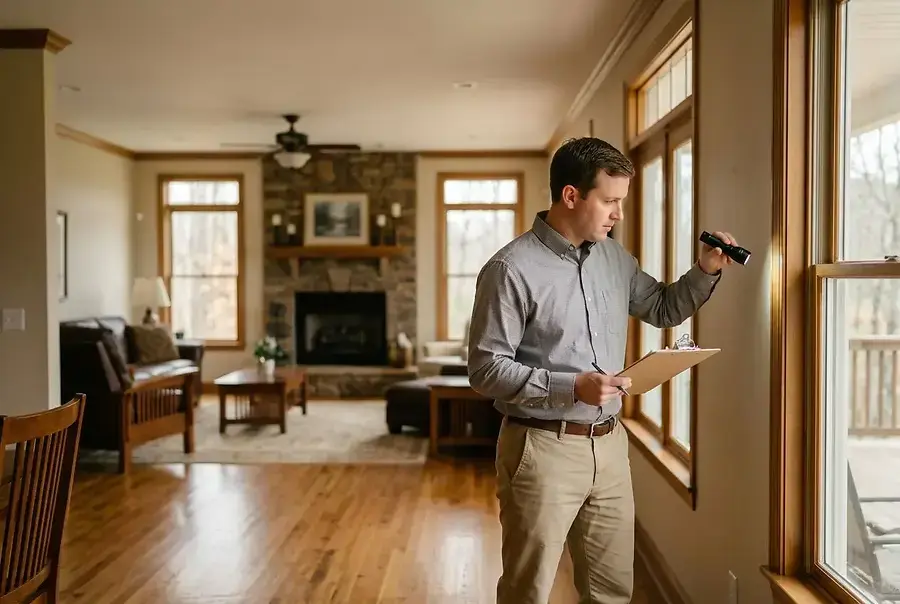
Why Home Inspections Matter in Upper Cumberland
Purchasing a home is one of the most significant financial decisions you'll make in your lifetime. In the Upper Cumberland region—encompassing Cookeville, Watertown, Livingston, Sparta, and Smithville—the real estate market offers diverse properties with varying ages and conditions. A professional home inspection is your safeguard against costly surprises and hidden defects that could drain your finances after closing.
Home inspections provide an objective, third-party evaluation of a property's condition before you commit to the purchase. This critical step can reveal structural issues, mechanical problems, safety hazards, and maintenance concerns that might not be visible during a casual walkthrough. For Upper Cumberland homebuyers, understanding what inspectors look for can mean the difference between a sound investment and a money pit.
What Professional Inspectors Evaluate in Local Homes
Structural Components and Foundation
Professional inspectors begin by examining the home's foundation and structural integrity. In Upper Cumberland, where properties range from historic homes to newer constructions, foundation issues are particularly important to assess. Inspectors look for:
- Cracks in the foundation or basement walls
- Signs of settling or shifting
- Water damage or moisture intrusion
- Proper grading around the foundation
Roofing and Exterior Systems
The roof is your home's first line of defense against the elements. Inspectors evaluate roof condition, age, and remaining lifespan. They also examine:
- Shingles for wear, curling, or missing sections
- Flashing around chimneys and vents
- Gutters and downspouts
- Exterior siding, trim, and paint condition
- Windows and doors for proper sealing
Mechanical Systems
HVAC systems, plumbing, and electrical systems are critical components that inspectors thoroughly evaluate. These systems are expensive to repair or replace, making their assessment essential for Upper Cumberland homebuyers.
- Heating and cooling system functionality and age
- Water heater condition and capacity
- Plumbing for leaks, corrosion, and proper drainage
- Electrical panel safety and capacity
- Outlets and switches for proper grounding
Interior Condition
Inspectors examine interior spaces for structural soundness, safety, and functionality. This includes checking for water damage, mold, proper ventilation, and the condition of flooring, walls, and ceilings throughout the home.
Common Issues Found in Upper Cumberland Residential Properties
Water Damage and Moisture Problems
The Upper Cumberland's climate and topography make water management a common concern. Inspectors frequently identify:
- Basement or crawlspace moisture and seepage
- Roof leaks causing attic damage
- Improper drainage leading to foundation problems
- Mold growth in damp areas
Aging Systems and Components
Many properties in the region have older mechanical systems that may be nearing the end of their useful life. Common findings include aging furnaces, outdated electrical panels, and corroded plumbing. Understanding the age and condition of these systems helps you budget for future replacements.
Deferred Maintenance
Some properties show signs of deferred maintenance, including:
- Worn roofing requiring replacement
- Deteriorating exterior siding or trim
- Outdated or non-functional appliances
- Inadequate insulation in attics or crawlspaces
Safety Concerns
Safety issues demand immediate attention. Inspectors look for hazards such as improper electrical wiring, inadequate handrails, missing GFCI outlets in wet areas, and potential asbestos or lead paint in older homes.
Using Inspection Reports to Negotiate and Close Strong Deals
Understanding Your Inspection Report
A comprehensive inspection report details all findings, categorizing issues by severity. Reports typically include:
- Major defects requiring immediate attention
- Minor issues that should be addressed
- Recommendations for further evaluation by specialists
- Estimated costs for repairs or replacements
Take time to review the report thoroughly and ask your inspector to explain any findings you don't understand.
Negotiation Strategies
Armed with inspection findings, you have several negotiation options:
- Request repairs: Ask the seller to fix major issues before closing
- Price reduction: Negotiate a lower purchase price to account for repairs you'll handle
- Escrow funds: Arrange for funds to be held in escrow for specific repairs
- Seller concessions: Request the seller cover closing costs or provide credits
Making Your Final Decision
Use inspection findings to make an informed decision about proceeding with the purchase.
A thorough home inspection isn't about finding a perfect property—it's about understanding what you're buying and making decisions based on facts rather than emotions.
Consider the overall condition of the property, the cost of identified repairs, and your budget for future maintenance. For Upper Cumberland homebuyers, working with a qualified inspector and taking time to understand the report can protect your investment and provide peace of mind for years to come.
Next Steps After Inspection
After receiving your inspection report, consult with your real estate agent and lender about next steps. Some findings may require specialist inspections for items like septic systems, wells, or structural concerns. Don't rush the process—thorough due diligence now prevents expensive problems later.


