Essential Home Inspection Guide for Venice and Sarasota Buyers
Protect your investment by understanding what inspectors look for in Florida's coastal residential market.

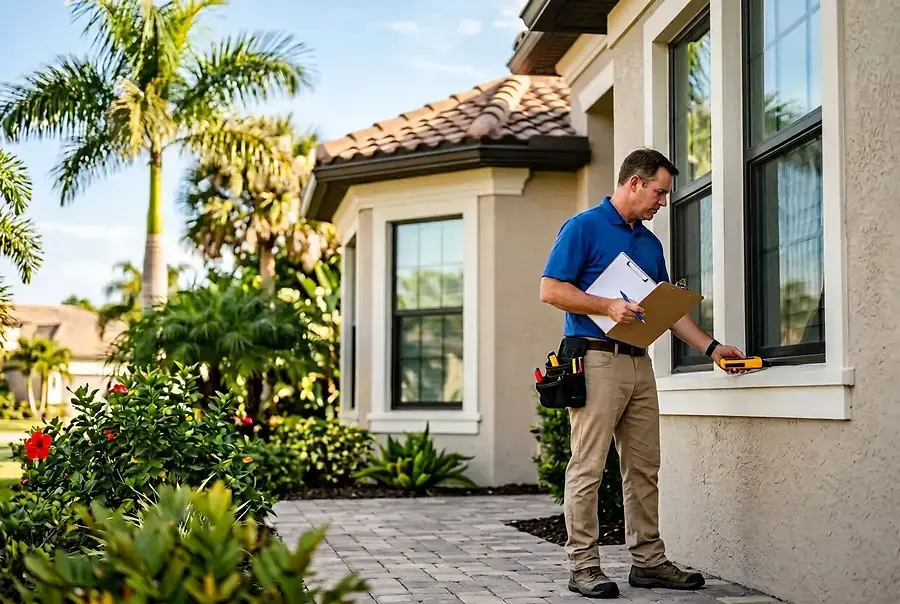
Why Home Inspections Matter in Venice and Sarasota's Real Estate Market
Purchasing a home in Venice or Sarasota represents one of the most significant financial decisions you'll make. The coastal Florida real estate market moves quickly, and properties often attract multiple offers within days. However, speed should never come at the expense of due diligence. A comprehensive home inspection is your opportunity to uncover potential issues before they become expensive problems.
In coastal communities like Venice and Sarasota, environmental factors unique to Florida create specific challenges. Salt air corrosion, hurricane-force winds, flooding risks, and moisture intrusion are realities that inland buyers may never encounter. Professional inspectors understand these regional concerns and know exactly what to look for when evaluating coastal properties.
A thorough inspection protects your investment by:
- Identifying structural and mechanical issues before purchase
- Revealing hidden damage from previous weather events
- Uncovering code violations or unpermitted work
- Providing negotiating leverage based on documented findings
- Giving you peace of mind about your purchase decision
Key Areas Inspectors Examine in Coastal Florida Properties
Roof and Exterior Structures
The roof is your home's first line of defense against Florida's intense sun, salt spray, and hurricane-force winds. Inspectors examine shingles for deterioration, check for proper ventilation, and assess the overall structural integrity. In coastal areas, they pay special attention to metal flashing around chimneys and vents, which corrodes quickly in salt air environments.
Foundation and Concrete
Florida's sandy soil and high water table create unique foundation challenges. Inspectors look for cracks, settling, and signs of water intrusion. They also examine concrete driveways, patios, and pool decks for spalling—a condition where the surface deteriorates and flakes away due to salt exposure and freeze-thaw cycles.
Plumbing and Water Systems
Coastal properties face aggressive corrosion in water lines and fixtures. Inspectors test water pressure, check for leaks, and examine the condition of pipes. They also evaluate the water heater, septic systems (if applicable), and drainage patterns around the property. In Venice and Sarasota, proper drainage is critical for preventing flooding and foundation damage.
HVAC and Electrical Systems
Air conditioning systems work overtime in Florida's climate. Inspectors verify that units are properly sized, well-maintained, and functioning efficiently. For electrical systems, they check for outdated wiring, overloaded circuits, and proper grounding—especially important in coastal areas where salt air accelerates corrosion of electrical components.
Windows, Doors, and Seals
Impact-resistant windows and doors are essential in hurricane-prone areas. Inspectors verify that seals are intact and that frames are properly installed. They look for signs of water intrusion around windows and doors, which is a common issue in older coastal homes.
Pool and Spa Equipment
If the property includes a pool or spa, inspectors examine pumps, filters, heaters, and the structural integrity of the pool deck. They check for cracks in the pool shell and verify that equipment meets current safety codes.
Red Flags and Common Issues Found in Local Homes
Water Damage and Mold
High humidity and moisture are constant challenges in coastal Florida. Inspectors look for signs of water damage, including discoloration on ceilings and walls, soft spots in flooring, and musty odors. Mold growth is a serious concern that can affect both property value and health. Any evidence of past flooding or water intrusion requires careful evaluation.
Salt Air Corrosion
Metal components deteriorate rapidly in Venice and Sarasota's salty environment. Inspectors examine metal railings, HVAC components, electrical fixtures, and fasteners for rust and corrosion. Extensive corrosion may indicate that components need replacement sooner than expected.
Outdated or Unpermitted Renovations
Some properties have additions or modifications completed without proper permits or inspections. These unpermitted projects can create safety hazards and complicate future sales. Professional inspectors identify work that doesn't meet current building codes.
Hurricane Damage History
Even if a home appears to be in good condition, previous hurricane damage may have been repaired inadequately. Inspectors look for signs of past storm damage, including replaced roof sections, patched siding, and structural repairs. Understanding a property's damage history helps you assess future insurance costs and vulnerability.
Inadequate Drainage
Poor grading or blocked drainage systems can lead to foundation problems and flooding. Inspectors evaluate how water flows away from the home and check for standing water or erosion patterns that indicate drainage issues.
Using Inspection Results to Negotiate and Close Your Deal
Understanding Your Inspection Report
A professional inspection report categorizes findings by severity. Critical issues require immediate attention and may affect the home's safety or value significantly. Major concerns need repair but may not be urgent. Minor issues are maintenance items that can be addressed over time. Understanding these distinctions helps you prioritize which findings warrant negotiation.
Negotiation Strategies
Armed with inspection results, you have several options:
- Request repairs: Ask the seller to fix critical issues before closing
- Negotiate a price reduction: Reduce your offer to account for repair costs
- Request a credit: Receive funds at closing to handle repairs yourself
- Walk away: If issues are too extensive, you can terminate the contract
In Venice and Sarasota's competitive market, sellers may resist major repair requests. A price reduction or closing credit often proves more acceptable, allowing you to hire contractors of your choice.
Moving Forward Confidently
Once you've addressed inspection concerns through negotiation or acceptance, you can move toward closing with confidence. Many buyers choose to obtain a follow-up inspection after repairs are completed to verify that work was done properly.
Remember: A home inspection is not a deal-killer—it's a deal-protector. The information you gain allows you to make informed decisions and invest wisely in Venice and Sarasota's beautiful coastal real estate market.
Whether you're a first-time buyer or an experienced investor, understanding the inspection process and what inspectors look for in coastal Florida properties is essential. By prioritizing a thorough inspection and using the results strategically, you'll protect your investment and ensure that your new home is everything you expect it to be.


