Essential Home Inspection Guide for Virginia Beach Property Buyers
Learn what inspectors look for in coastal properties and how to protect your investment.

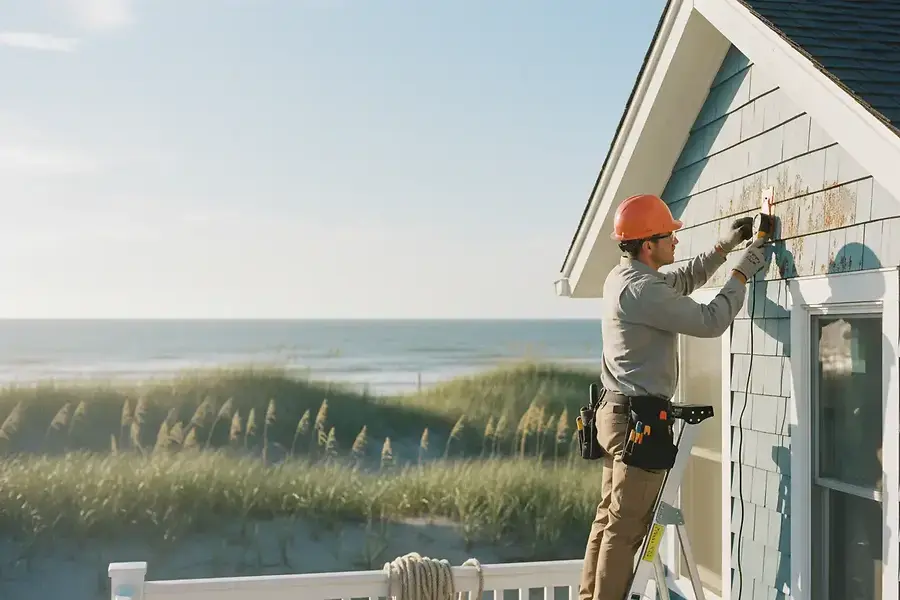
Why Professional Home Inspections Matter in Virginia Beach
Purchasing a home in Virginia Beach is an exciting milestone, but it's also one of the most significant financial decisions you'll make. A professional home inspection is your safeguard against costly surprises and hidden defects that could compromise your investment. In a coastal community like Virginia Beach, where properties face unique environmental challenges, a thorough inspection becomes even more critical.
Many first-time buyers underestimate the importance of inspections, viewing them as an unnecessary expense. However, the average cost of a home inspection—typically between $300 and $500—is minimal compared to the potential repair costs you might face without one. An experienced inspector can identify issues ranging from minor maintenance needs to serious structural problems that could cost thousands to repair.
A professional inspection protects you by:
- Identifying hidden defects before you commit to the purchase
- Providing documentation for negotiation purposes
- Revealing maintenance issues that affect your long-term costs
- Giving you peace of mind about your investment
- Helping you plan for future repairs and maintenance
Coastal-Specific Issues: Salt Damage, Moisture, and Foundation Concerns
Salt Damage and Corrosion
Living near the Atlantic Ocean comes with distinct challenges. Salt air and spray accelerate corrosion on metal components, including roofing materials, HVAC systems, and exterior fixtures. Inspectors pay special attention to metal railings, gutters, and downspouts, which deteriorate faster in coastal environments than inland properties.
Salt damage isn't always immediately visible, but it compounds over time. A thorough inspection will reveal early signs of corrosion that, if left unchecked, could lead to expensive replacements.
Moisture and Mold Issues
Virginia Beach's humid subtropical climate creates ideal conditions for moisture accumulation and mold growth. Inspectors look for signs of water intrusion in basements, crawl spaces, and attics. They examine:
- Roof condition and potential leak points
- Basement or crawl space moisture levels
- Grading and drainage around the foundation
- Window and door seals
- HVAC condensation management systems
Mold can pose serious health risks and is expensive to remediate. Early detection during an inspection can save you from purchasing a property with hidden mold problems.
Foundation and Structural Concerns
The sandy, shifting soil common in coastal Virginia Beach areas can affect foundation stability. Inspectors examine foundations for cracks, settling, and water damage. They also assess:
- Pier and beam systems for deterioration
- Concrete slab integrity
- Signs of foundation movement or settling
- Proper drainage away from the foundation
Foundation issues are serious and expensive, making this one of the most critical areas of a coastal property inspection.
The Inspection Process: What to Expect and Questions to Ask
Before the Inspection
Schedule your inspection as soon as your offer is accepted. Most purchase agreements include a contingency period—typically 7 to 10 days—for inspections. Plan to be present during the inspection so you can ask questions and learn about your property firsthand.
Hire a licensed, certified inspector with experience in coastal properties. Ask for references and verify their credentials with the Virginia Home Inspectors Board.
During the Inspection
A comprehensive home inspection typically takes 2 to 4 hours. The inspector will examine:
- Exterior: roof, siding, windows, doors, and drainage
- Foundation and structural elements
- Interior: walls, ceilings, floors, and visible plumbing
- HVAC systems and air conditioning
- Electrical systems and panels
- Appliances and fixtures
- Attic and crawl spaces
Follow your inspector around and ask questions. This is your opportunity to understand the property's condition and learn about maintenance requirements.
Questions to Ask Your Inspector
Don't be shy about asking for clarification:
- "What is the expected lifespan of this roof/HVAC/water heater?"
- "Are there any safety concerns I should know about?"
- "What maintenance should I prioritize in the first year?"
- "How serious is this issue, and what will it cost to repair?"
- "Are there any signs of previous water damage or mold?"
- "What coastal-specific maintenance does this property need?"
After the Inspection
You'll receive a detailed inspection report within 24 to 48 hours. Review it carefully and discuss findings with your real estate agent. The report will categorize issues by severity and provide recommendations for repairs or further evaluation.
Use the inspection report as a negotiation tool. If significant issues are discovered, you can request the seller make repairs, offer credits toward repairs, or renegotiate the purchase price.
Using Inspection Reports to Negotiate and Secure Your Purchase
An inspection report is more than just a document—it's a powerful negotiation tool. If the inspection reveals issues, you have several options:
- Request repairs: Ask the seller to fix identified problems before closing
- Negotiate credits: Request a credit toward closing costs to handle repairs yourself
- Renegotiate price: Use significant findings to justify a lower purchase price
- Walk away: If major issues exist, you may have grounds to exit the contract
In Virginia Beach's competitive real estate market, having a thorough inspection report strengthens your position. Sellers are more likely to negotiate when faced with documented evidence of needed repairs.
Keep your inspection report for future reference. It serves as a baseline for the property's condition and helps you plan maintenance and repairs over time. If you ever sell the property, this documentation proves you purchased it in good faith and were aware of any existing conditions.
Final Thoughts: A professional home inspection is an investment in your peace of mind and financial security. In Virginia Beach, where coastal conditions present unique challenges, a thorough inspection by an experienced professional is essential. Don't skip this critical step—it could save you thousands of dollars and help you make a confident, informed decision about your new home.