Essential Home Inspection Guide for Walnut Creek Home Buyers
Learn what experienced inspectors look for when evaluating residential properties in Walnut Creek to protect your investment.

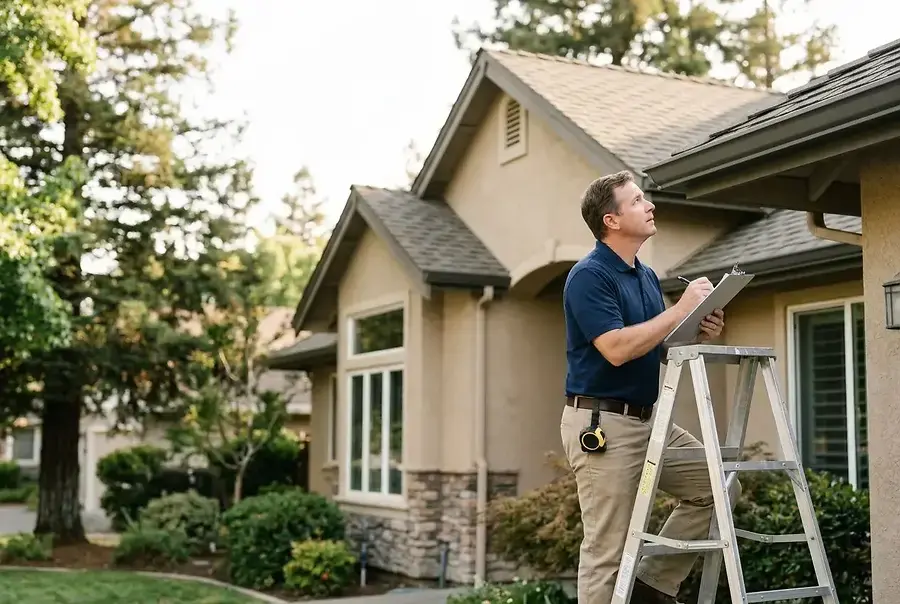
Understanding the Home Inspection Process in Walnut Creek
Purchasing a home in Walnut Creek is one of the most significant investments you'll make in your lifetime. A professional home inspection is a critical step in the buying process that can save you thousands of dollars in unexpected repairs. The inspection typically takes two to three hours and involves a thorough examination of the property's structural components, systems, and overall condition.
During a standard home inspection in Walnut Creek, a licensed inspector will evaluate the property both inside and outside. They'll check the roof, foundation, plumbing, electrical systems, HVAC units, and more. The inspector will provide you with a detailed written report documenting their findings, which becomes valuable information for making informed decisions about your purchase.
What to Expect During Your Inspection
As a buyer, you have the right to be present during the inspection. Many experienced inspectors encourage this, as it allows you to ask questions and learn about your potential home's condition firsthand. The inspector will walk through each room, test systems, and take photographs of any issues they discover. This hands-on approach helps you understand exactly what you're purchasing.
Critical Areas Inspectors Evaluate in Bay Area Homes
Professional home inspectors in the Walnut Creek area focus on several key areas that are essential to a home's safety, functionality, and value. Understanding these critical components helps you appreciate the thoroughness of the inspection process.
Structural Integrity and Foundation
The foundation is the backbone of any home. Inspectors look for cracks, settling, water damage, and signs of structural movement. In the Bay Area, where soil conditions and seismic activity are considerations, foundation assessment is particularly important. Any significant issues here can be costly to repair and may affect your home's long-term value.
Roofing and Exterior
The roof protects everything beneath it, making its condition crucial. Inspectors examine:
- Shingle condition and age
- Flashing around chimneys and vents
- Gutters and downspouts
- Exterior walls and siding
- Windows and doors
Walnut Creek's climate means roofs endure significant wear, so understanding the remaining lifespan of your roof is essential for budgeting future repairs.
Plumbing Systems
Inspectors test water pressure, check for leaks, and evaluate the condition of pipes throughout the home. They'll identify any outdated materials like galvanized pipes that may need replacement. Proper drainage and functional fixtures are essential to prevent costly water damage.
Electrical Systems
A thorough electrical inspection ensures your home meets current safety standards. Inspectors check the main panel, outlets, switches, and wiring. Outdated electrical systems or improper installations can pose fire hazards and may require upgrades to meet modern building codes.
HVAC and Heating Systems
Your heating, ventilation, and air conditioning systems are vital for comfort and air quality. Inspectors test these systems to ensure they operate properly and assess their age and condition. Knowing whether you'll need to replace these expensive systems soon helps with your financial planning.
Insulation and Ventilation
Proper insulation and ventilation affect energy efficiency and prevent moisture problems. Inspectors evaluate attic insulation, ventilation, and check for signs of moisture or mold that could indicate ventilation issues.
How to Use Inspection Results in Your Purchase Negotiation
Once you receive your inspection report, you have several options for moving forward. This is where the inspection becomes a powerful negotiating tool.
Reviewing the Report
Take time to carefully review the inspection report with your real estate agent. Understand the difference between minor issues and significant problems. Not every finding requires action—some items are simply normal wear and tear. Your agent can help you prioritize which issues are worth negotiating.
Negotiation Strategies
You have several options when inspection reveals problems:
- Request repairs: Ask the seller to fix significant issues before closing
- Request credits: Negotiate a price reduction to cover repair costs yourself
- Request inspections: Ask for specialized inspections on specific systems
- Walk away: If major issues exist, you may choose to terminate the purchase
Most Walnut Creek sellers expect some negotiation based on inspection findings, so don't hesitate to discuss legitimate concerns with your agent.
Getting Specialist Inspections
If the general inspection reveals potential issues with specific systems, you might request specialized inspections for items like the roof, foundation, or septic system. These targeted inspections provide detailed information about costly components and help you make informed decisions.
Next Steps After Receiving Your Inspection Report
After negotiating based on inspection results, several important steps remain before closing on your Walnut Creek home.
Final Walk-Through
Conduct a final walk-through of the property shortly before closing. Verify that any agreed-upon repairs have been completed satisfactorily and that the home's condition matches the inspection report. This is your last opportunity to identify any new issues or incomplete work.
Addressing Remaining Issues
If repairs weren't completed as agreed, work with your real estate agent and attorney to resolve the situation. You may request additional credits, extended closing dates, or other remedies depending on your purchase agreement terms.
Planning for Future Maintenance
Use your inspection report as a maintenance guide for your new home. Understanding your home's condition helps you budget for future repairs and maintenance. Many inspectors provide recommendations for preventative maintenance that can extend the life of your home's systems and components.
Keeping Your Report
Store your inspection report in a safe place. This document becomes valuable when you eventually sell your home, and it helps you track the property's condition over time. It's also useful for insurance purposes and warranty claims.
A comprehensive home inspection is an investment in your peace of mind and financial security. By understanding what inspectors evaluate and how to use their findings, you're taking control of one of life's biggest purchases. In Walnut Creek's competitive real estate market, a thorough inspection protects your investment and ensures you're making an informed decision about your new home.