Essential Home Inspection Guide for Warsaw, Indiana Homebuyers
Protect your investment with a comprehensive guide to what every home inspection in Warsaw, Indiana should include.

Introduction: Why Home Inspections Matter in Warsaw's Housing Market
Purchasing a home is one of the most significant financial decisions you'll make in your lifetime. In Warsaw, Indiana, where the housing market continues to attract both local buyers and newcomers, a thorough home inspection is not just a recommendation—it's an essential safeguard for your investment. A professional home inspection provides an objective evaluation of a property's condition, helping you understand what you're truly buying before signing on the dotted line.
Many homebuyers underestimate the importance of inspections, viewing them as an unnecessary expense. However, a comprehensive inspection can reveal hidden issues that could cost thousands of dollars to repair. In Warsaw's diverse housing market, ranging from historic homes to newer constructions, inspections are particularly valuable in identifying property-specific concerns that might not be immediately visible to the untrained eye.
Key Areas Professional Inspectors Examine in Warsaw Homes
Structural Integrity and Foundation
The foundation is the backbone of any home. Professional inspectors carefully examine the foundation for cracks, settling, and water damage. In Warsaw, where weather patterns can be variable, foundation issues are a critical concern. Inspectors will look for signs of moisture intrusion, which can lead to mold growth and structural deterioration over time.
Roofing and Exterior
Your roof protects everything beneath it. Inspectors assess the roof's age, condition, and remaining lifespan. They examine shingles for damage, check flashing around chimneys and vents, and evaluate gutters and downspouts. The exterior walls, siding, windows, and doors are also thoroughly inspected for weathering, damage, and proper sealing.
Plumbing Systems
A detailed plumbing inspection includes checking water pressure, testing drains, examining pipes for corrosion, and inspecting water heaters. Inspectors look for leaks, outdated materials, and potential code violations. In older Warsaw homes, galvanized pipes and outdated plumbing fixtures are common findings that may require future upgrades.
Electrical Systems
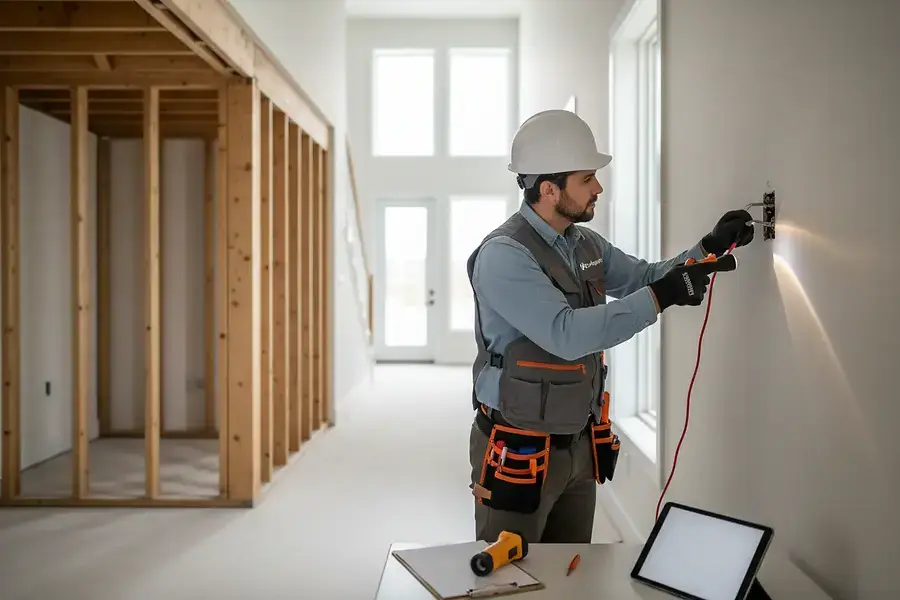
Electrical safety is paramount. Inspectors examine the main electrical panel, test outlets and switches, check for proper grounding, and identify any outdated or unsafe wiring. They'll note whether the home has adequate electrical capacity for modern appliances and devices, which is especially important in homes that haven't been updated in several decades.
HVAC and Climate Control
Heating, ventilation, and air conditioning systems are tested for proper operation and efficiency. Inspectors evaluate furnaces, air conditioners, thermostats, and ductwork. They'll assess the age of equipment and estimate remaining lifespan, helping you budget for potential replacements.
Interior Components
Inspectors examine walls, ceilings, and floors for damage, water stains, and signs of pest infestation. They test doors and windows for proper operation, check insulation levels, and look for any visible mold or moisture problems. Kitchen and bathroom fixtures are evaluated for functionality and condition.
Red Flags to Watch For During Your Inspection Walk-Through
Water Damage and Moisture Issues
Water stains on ceilings, walls, or in basements are serious warning signs. These indicate current or past water intrusion, which can lead to mold, rot, and structural damage. Pay special attention to basement areas and crawl spaces, as these are common problem areas in Warsaw homes.
Mold and Pest Infestations
Any visible mold growth is a red flag that requires professional remediation. Similarly, signs of pest infestation—such as droppings, damaged wood, or insect damage—should be taken seriously. These issues can be expensive to address and may indicate larger problems.
Outdated or Unsafe Electrical Systems
Knob-and-tube wiring, aluminum wiring, or an undersized electrical panel are significant concerns. These outdated systems pose fire hazards and may not meet current building codes. Budget for electrical upgrades if these issues are present.
Roof and Structural Concerns
A roof nearing the end of its lifespan, sagging roof lines, or visible structural damage should raise concerns. These repairs can be costly and should factor into your negotiation strategy. Ask your inspector about the estimated remaining life of the roof and any structural issues they observe.
HVAC System Age and Condition
Furnaces and air conditioning units typically last 15-20 years. If these systems are approaching or beyond their expected lifespan, budget for replacement. A failing HVAC system can be a major expense, especially before winter or summer seasons.
Plumbing Problems
Slow drains, low water pressure, or signs of leaks indicate plumbing issues. Outdated materials like galvanized pipes may need replacement. Ask about the age and condition of the water heater, as this is another significant expense if replacement is needed soon.
Conclusion: Using Inspection Results to Negotiate and Proceed with Confidence
Once your home inspection is complete, you'll have a detailed report outlining the property's condition. This information is powerful—it gives you leverage in negotiations and helps you make an informed decision about your purchase.
Use inspection results strategically: If significant issues are discovered, you can request repairs, ask for credits toward repairs, or renegotiate the purchase price. Many sellers are willing to work with buyers when inspection reports reveal legitimate concerns.
Plan for future maintenance: Even in homes without major issues, inspections reveal maintenance needs. Understanding what repairs and upgrades lie ahead helps you budget appropriately and plan your home ownership journey.
Don't skip the inspection walk-through: Whenever possible, attend the inspection in person. This allows you to ask questions directly, understand the issues firsthand, and get a true sense of the property's condition.
In Warsaw's competitive housing market, a thorough home inspection is your best defense against costly surprises. By understanding what inspectors examine and knowing which red flags to watch for, you can protect your investment and move forward with confidence. Take the time to hire a qualified, licensed inspector, review their findings carefully, and use that information to make the best decision for your family and your future.


