Essential Home Inspection Guide for Weatherford Texas Buyers
Discover what professional home inspectors look for and how to protect your investment in Weatherford's real estate market.

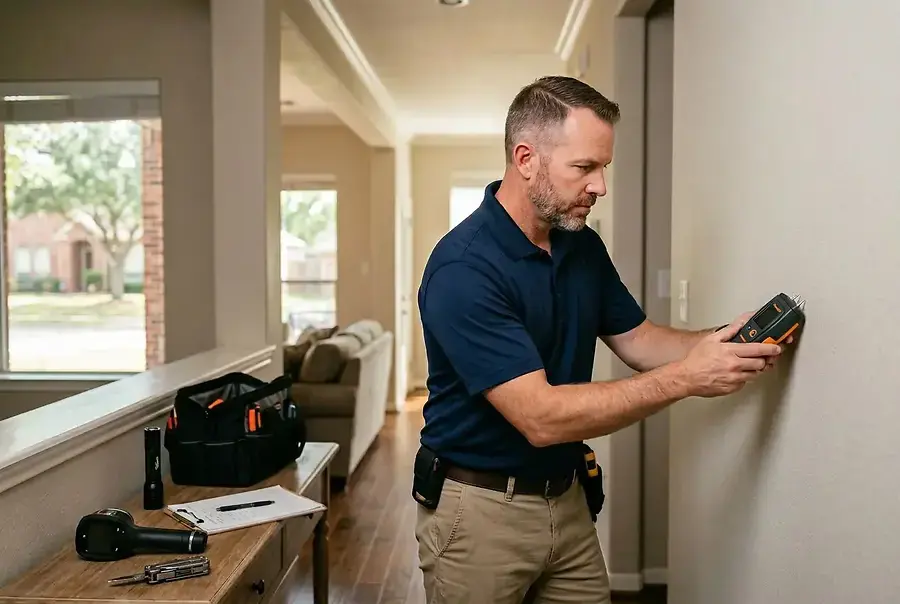
Why Home Inspections Matter in Weatherford
Purchasing a home is one of the most significant financial decisions you'll make, and in Weatherford's competitive real estate market, protecting your investment is crucial. A professional home inspection serves as your safeguard against hidden defects and unexpected repair costs that could drain your finances after closing. Whether you're a first-time homebuyer or an experienced investor, understanding what inspectors evaluate can help you make informed decisions and negotiate better terms with sellers.
Home inspections provide an objective assessment of a property's condition, identifying issues that might not be visible during a casual walkthrough. In Weatherford, where homes range from historic properties to modern constructions, inspectors bring specialized knowledge about regional building practices and climate-related wear and tear. This professional evaluation gives you peace of mind and valuable leverage in negotiations.
What Professional Inspectors Evaluate During a Home Inspection
Structural Components and Foundation
Professional inspectors begin by examining the home's foundation and structural integrity. They look for cracks, settling, water damage, and signs of foundation movement. In Weatherford, where soil conditions can vary, foundation issues are particularly important to assess. Inspectors will check the basement or crawl space for moisture intrusion, proper drainage, and structural support systems.
Roofing and Exterior
The roof is one of your home's most critical protective barriers. Inspectors examine shingles, flashing, gutters, and downspouts for damage, wear, and proper installation. They assess the roof's age and remaining lifespan, which directly impacts your maintenance budget. The exterior inspection also includes siding, windows, doors, and caulking to ensure weather resistance and proper sealing.
Plumbing Systems
A thorough plumbing inspection checks water supply lines, drainage systems, water heaters, and fixtures throughout the home. Inspectors test water pressure, look for leaks, and assess the condition of pipes. They verify that the water heater is functioning properly and check for any signs of corrosion or deterioration that could lead to future problems.
Electrical Systems
Electrical safety is paramount. Inspectors examine the main panel, circuit breakers, wiring, outlets, and switches. They verify that the electrical system meets current safety codes and can handle the home's power demands. Outdated or faulty electrical systems pose serious safety risks and may require upgrades.
HVAC Systems
Heating, ventilation, and air conditioning systems are essential in Weatherford's climate. Inspectors test furnaces, air conditioners, and ventilation systems to ensure they operate efficiently. They check for proper maintenance, assess remaining lifespan, and identify any repairs needed. A well-functioning HVAC system is crucial for comfort and energy efficiency.
Interior Components
Inspectors evaluate interior walls, ceilings, floors, and doors for damage, water stains, and structural issues. They check for proper insulation, ventilation, and signs of pest infestation. Windows and doors are tested for proper operation and weather sealing.
Common Issues Found in Weatherford Properties and How to Address Them
Water Damage and Moisture Issues
Weatherford's climate can lead to moisture problems in homes. Common issues include:
- Roof leaks: Address immediately with professional repairs to prevent interior damage
- Foundation cracks: Seal minor cracks; consult specialists for major structural issues
- Basement seepage: Install proper drainage systems and consider waterproofing solutions
Water damage can escalate quickly, so prompt action is essential. Get multiple quotes from contractors before proceeding with repairs.
HVAC System Concerns
Older HVAC systems are frequently found in Weatherford homes. If your inspection reveals aging equipment, consider:
- Requesting seller repairs or credits for replacement
- Budgeting for system upgrades in your post-purchase plans
- Obtaining maintenance records to understand the system's history
Modern HVAC systems offer improved efficiency and lower operating costs, making upgrades a worthwhile investment.
Electrical System Updates
Homes with outdated electrical systems may need upgrades. Common findings include:
- Insufficient outlets: Plan for additional circuits or outlet installation
- Outdated panels: Budget for panel upgrades to meet current code requirements
- Aluminum wiring: Consider professional assessment and potential replacement
Electrical upgrades are investments in safety and functionality that protect your home and family.
Roofing and Exterior Deterioration
Weatherford's weather conditions can accelerate roof aging. Address roofing issues by:
- Negotiating repair or replacement with the seller before closing
- Obtaining detailed repair estimates from licensed contractors
- Understanding the remaining roof lifespan and planning for future replacement
A sound roof is critical for protecting your entire home investment.
Plumbing Problems
Plumbing issues range from minor to major. Common findings include:
- Corroded pipes: Plan for gradual replacement or full system overhaul
- Low water pressure: Investigate causes and determine if repairs are needed
- Outdated fixtures: Budget for upgrades to improve functionality and water efficiency
Addressing plumbing issues promptly prevents costly water damage and ensures reliable service.
Taking Action on Inspection Results
Once you receive your inspection report, don't panic. Use the findings strategically:
Review the report carefully with your real estate agent to understand the severity of each issue. Distinguish between minor cosmetic concerns and major structural or safety problems.
Obtain repair estimates from licensed contractors for significant issues. These estimates provide leverage in negotiations and help you understand true costs.
Negotiate with the seller by requesting repairs, credits, or price reductions based on inspection findings. Many sellers prefer offering credits so they can avoid contractor involvement.
Plan your budget for repairs you'll handle after closing. Prioritize safety-critical items and systems that affect daily living.
Schedule follow-up inspections if major repairs are completed before closing to verify quality work.
A professional home inspection is an investment in your peace of mind and financial security. By understanding what inspectors evaluate and how to address common issues, you're equipped to make confident decisions in Weatherford's real estate market. Don't skip this critical step—your future home and wallet will thank you.


