Essential Home Inspection Guide for West Michigan Residential Buyers
Learn what professional inspectors evaluate when assessing properties in Grandville, Grand Rapids, and Dorr.

Why Home Inspections Are Critical for West Michigan Buyers
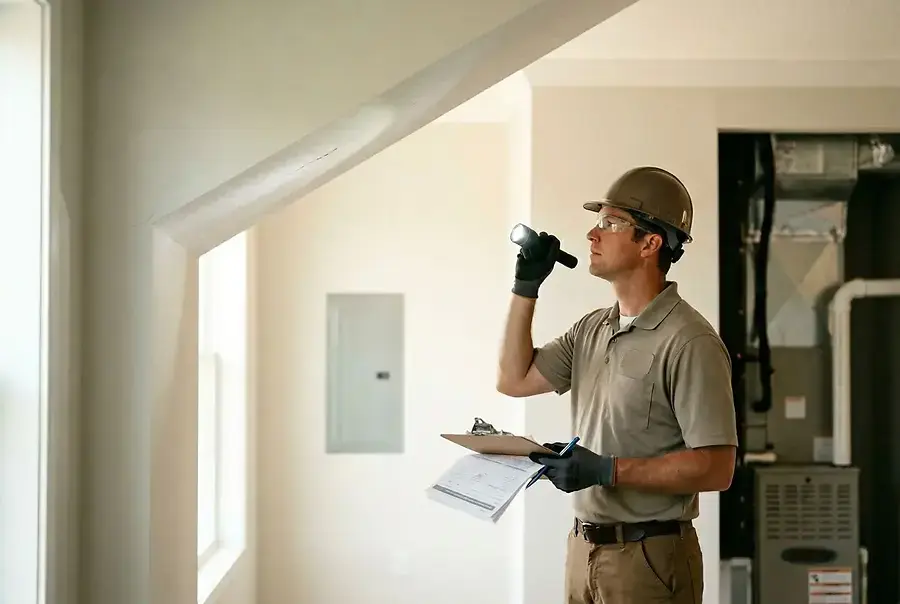
Purchasing a home is one of the most significant investments you'll make in your lifetime. For buyers in West Michigan communities like Grandville, Grand Rapids, and Dorr, a professional home inspection is an essential step in the buying process. A thorough inspection provides you with a detailed understanding of your potential property's condition, helping you avoid costly surprises after closing.
Home inspections serve as your protection against hidden defects and structural problems that could impact your safety, comfort, and financial investment. In West Michigan's climate, where homes face unique challenges from seasonal weather patterns and aging infrastructure, professional inspections are particularly valuable. They give you the knowledge and leverage needed to negotiate repairs, request credits, or make informed decisions about your purchase.
Key Structural and System Areas Inspectors Thoroughly Evaluate
Foundation and Structural Integrity
Inspectors begin by examining your home's foundation, which is critical to overall structural stability. They look for cracks, settling, water intrusion, and signs of foundation movement. In West Michigan, where soil conditions and freeze-thaw cycles can affect foundations, this assessment is particularly important. Inspectors will check basement walls, crawl spaces, and the perimeter for moisture damage and structural concerns.
Roofing and Exterior
The roof protects your entire home from the elements. Professional inspectors evaluate roof condition, age, material quality, and signs of wear or damage. They examine gutters, downspouts, siding, windows, and doors for proper installation and weatherproofing. West Michigan's weather demands special attention to exterior maintenance, making this evaluation crucial for long-term property protection.
Plumbing Systems
Inspectors test water pressure, check for leaks, and examine pipes throughout the home. They assess water supply lines, drain systems, and the condition of fixtures. They'll also evaluate the water heater's age and functionality. Older homes in West Michigan communities may have outdated plumbing that requires attention or replacement.
Electrical Systems
A comprehensive electrical inspection includes checking the main panel, circuit breakers, outlets, and wiring. Inspectors look for outdated systems, improper installations, and safety hazards. They verify that the electrical system meets current codes and can safely handle modern household demands. This is especially important in older Grandville and Grand Rapids properties.
HVAC and Climate Control
Heating, ventilation, and air conditioning systems are evaluated for age, functionality, and maintenance condition. Inspectors test both heating and cooling capabilities and check for proper airflow. Given West Michigan's cold winters and warm summers, a well-functioning HVAC system is essential for comfort and energy efficiency.
Insulation and Ventilation
Proper insulation and ventilation affect energy efficiency and prevent moisture problems. Inspectors assess attic insulation levels, ventilation adequacy, and signs of moisture or pest damage. This evaluation helps identify potential energy loss and indoor air quality issues.
Common Issues and Red Flags Found in Local Residential Properties
Water Damage and Moisture Problems
West Michigan's climate creates conditions favorable for moisture intrusion. Inspectors frequently identify water stains, mold growth, and dampness in basements and crawl spaces. These issues can lead to structural damage and health concerns if not addressed promptly. Look for discoloration on walls, ceilings, and floors as warning signs.
Roof and Gutter Issues
Aging roofs, missing shingles, and clogged gutters are common findings in West Michigan properties. Poor drainage can cause water damage to the foundation and interior. Inspectors will note the roof's remaining lifespan and recommend repairs or replacement timelines.
Outdated Electrical Systems
Many older homes in Grandville, Grand Rapids, and Dorr have outdated electrical systems that may not safely support modern appliances and devices. Aluminum wiring, insufficient outlets, and overloaded circuits are red flags that require professional attention and potential upgrades.
HVAC System Age and Condition
Aging heating and cooling systems may be inefficient or unreliable. Inspectors note the age of equipment and recommend replacement if systems are nearing the end of their lifespan. This helps you budget for future upgrades and understand energy costs.
Plumbing Concerns
Corroded pipes, low water pressure, and outdated plumbing materials are common issues in older West Michigan homes. Galvanized or polybutylene pipes may need replacement, which can be a significant expense. Inspectors identify these issues early so you can plan accordingly.
Pest and Pest Damage
Termites, carpenter ants, and rodent damage are concerns in West Michigan properties. Inspectors look for wood damage, pest droppings, and entry points. Early detection prevents extensive structural damage and costly remediation.
Using Inspection Findings to Negotiate with Confidence
Once you receive your inspection report, you have valuable information to guide your next steps. Use the findings to negotiate repairs, request credits from the seller, or make an informed decision about proceeding with the purchase.
For minor issues, you might request the seller make repairs before closing. For significant problems, you could ask for a credit to cover repair costs yourself. Some buyers use inspection findings to renegotiate the purchase price if major systems or structural elements need attention.
In West Michigan's competitive real estate market, a professional home inspection gives you confidence and leverage. Whether you're buying in Grandville, Grand Rapids, or Dorr, understanding your property's condition allows you to make decisions based on facts rather than assumptions. Don't skip this critical step—invest in a thorough inspection and protect your home investment for years to come.