Essential Home Inspection Guide for West Texas Residential Buyers
Learn what to look for when inspecting residential properties across San Angelo, Odessa, San Antonio, Monahans, Midland, and Fort Stockton.

Introduction: Why Home Inspections Matter in West Texas
Purchasing a home is one of the most significant financial decisions you'll make in your lifetime. In West Texas, where properties face unique environmental challenges, a thorough home inspection becomes even more critical. Whether you're buying in San Angelo, Odessa, San Antonio, Monahans, Midland, or Fort Stockton, understanding what to look for during an inspection can save you thousands of dollars in unexpected repairs and protect your investment for years to come.
Home inspections serve as your first line of defense against hidden defects and structural issues. A professional inspector will evaluate the property's condition systematically, identifying problems that may not be visible to the untrained eye. In West Texas, where extreme temperatures, low humidity, and expansive soils create specific challenges, having an inspection tailored to regional concerns is essential.
Key Areas to Inspect in West Texas Homes: Climate and Foundation Concerns
Foundation and Structural Integrity
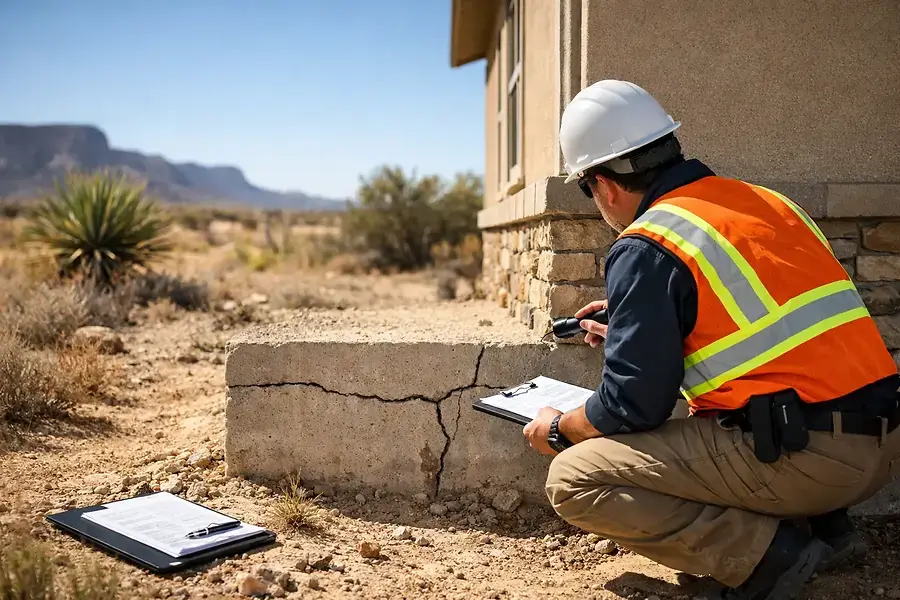
The foundation is arguably the most critical component of any home, and in West Texas, it deserves special attention. The region's expansive clay soils are prone to shifting and settling, which can cause significant foundation damage over time. During your inspection, look for:
- Cracks in the foundation – Both horizontal and vertical cracks should be evaluated by a professional, as they may indicate serious structural issues
- Uneven floors – Walk through the property and notice if floors slope or feel uneven, which could signal foundation movement
- Gaps between walls and ceilings – These gaps often indicate foundation settling or shifting
- Sticking doors and windows – Difficulty opening or closing doors and windows can be a sign of foundation problems
- Water damage or moisture – Check for signs of water intrusion in basements and crawl spaces
Roof and Weather Protection
West Texas experiences intense sun exposure and occasional severe weather events. Your roof must be in excellent condition to protect your investment. During the inspection, ensure the inspector examines:
- Roof age and condition – Ask for documentation of when the roof was installed and look for signs of deterioration
- Missing or damaged shingles – Even small damage can lead to leaks and interior water damage
- Proper ventilation – Adequate attic ventilation is crucial in the hot West Texas climate
- Flashing around chimneys and vents – Poor flashing is a common source of leaks
HVAC Systems and Climate Control
With summer temperatures regularly exceeding 95 degrees Fahrenheit, a properly functioning air conditioning system is non-negotiable. Verify that:
- The AC unit is appropriately sized for the home and in good working condition
- The heating system functions properly for winter months
- Ductwork is properly sealed to prevent energy loss
- Filters are accessible and regularly replaceable
Plumbing and Water Systems
West Texas water can be hard and mineral-rich, which affects plumbing systems differently than in other regions. Check for:
- Water pressure and flow – Test multiple fixtures simultaneously to ensure adequate pressure
- Pipe material and age – Older galvanized pipes may need replacement soon
- Water heater condition – Verify the age and functionality of the water heater
- Signs of leaks – Look for water stains, mold, or musty odors indicating hidden leaks
Electrical Systems
A safe electrical system is paramount. During inspection, verify:
- The panel is properly grounded and has adequate capacity for the home's needs
- Outlets and switches function correctly
- GFCI protection is installed in kitchens, bathrooms, and outdoor areas
- Wiring is up to code and shows no signs of damage or deterioration
Exterior and Landscaping
The harsh West Texas climate takes a toll on exterior elements. Inspect:
- Siding and exterior walls – Look for cracks, warping, or deterioration
- Gutters and downspouts – Ensure they're properly installed and direct water away from the foundation
- Grading around the property – Water should slope away from the home to prevent foundation damage
- Landscaping and vegetation – Trees too close to the home can cause foundation issues and damage to the roof
Working with Local Inspectors Who Understand Regional Issues
Why Local Expertise Matters
Not all home inspectors are created equal. Hiring an inspector with specific experience in West Texas is crucial. Local inspectors understand the region's unique challenges, including expansive soils, extreme weather patterns, and common construction practices in areas like San Angelo, Odessa, San Antonio, Monahans, Midland, and Fort Stockton.
What to Look for in an Inspector
When selecting a home inspector, consider the following:
- Proper licensing and certifications – Verify they're certified by the Texas Real Estate Commission (TREC)
- Experience in West Texas – Ask how many inspections they've completed in your specific area
- Comprehensive inspection reports – They should provide detailed, easy-to-understand reports with photos
- Willingness to explain findings – A good inspector will walk you through the property and answer your questions
- Professional liability insurance – This protects you if issues are missed
The Inspection Process
A thorough home inspection typically takes 2-4 hours, depending on the property's size and age. You should always attend the inspection to ask questions and understand the inspector's findings firsthand. After the inspection, you'll receive a detailed report outlining any issues discovered, their severity, and recommended repairs or replacements.
Pro Tip: If significant issues are discovered, consider hiring a specialist to provide a second opinion. For foundation concerns, a structural engineer's assessment may be necessary before making your final decision.
Conclusion: Protecting Your Investment Through Thorough Inspections
A comprehensive home inspection is your best defense against costly surprises after purchase. In West Texas, where climate and soil conditions present unique challenges, taking the time to thoroughly evaluate a property before buying is not just recommended—it's essential. By understanding what to look for, working with experienced local inspectors, and asking the right questions, you can make an informed decision and protect your investment for years to come.
Whether you're purchasing your first home or your fifth, remember that a few hundred dollars spent on a professional inspection can save you thousands in unexpected repairs. Take the inspection process seriously, stay involved, and don't hesitate to ask questions. Your future self will thank you for the diligence you invest today.


