Essential Home Inspection Guide for Williamsburg Property Buyers
Discover what professional inspectors look for and how to protect your investment in this historic Virginia market.

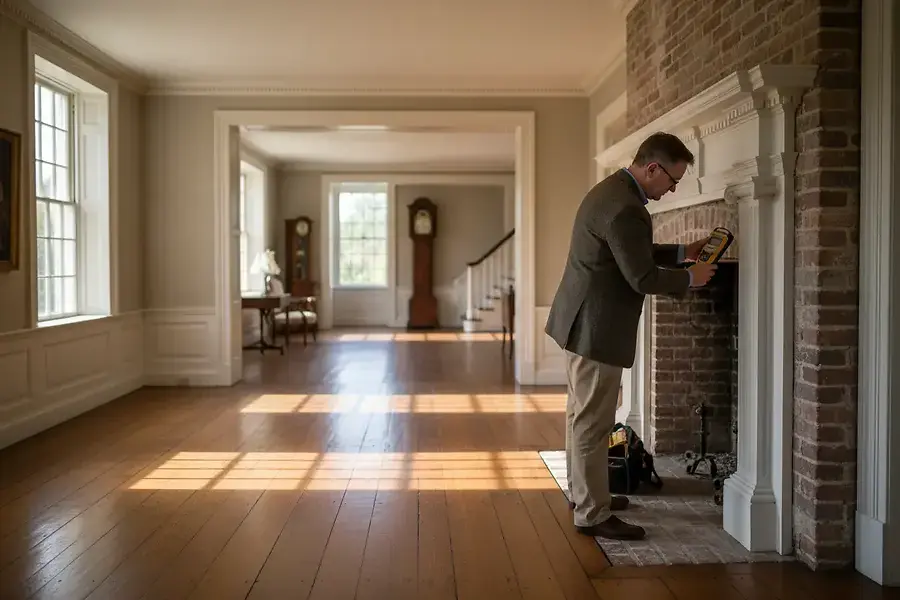
Why Home Inspections Matter in Williamsburg
Purchasing a home in Williamsburg is an exciting opportunity to own a piece of Virginia's rich history. However, the unique characteristics of historic properties require careful evaluation before making such a significant investment. A professional home inspection is not just a formality—it's your safeguard against unexpected repairs and costly surprises.
Williamsburg's properties, many dating back centuries, present distinct challenges that newer homes don't face. Understanding what inspectors look for can help you make informed decisions and negotiate effectively with sellers. Whether you're buying a colonial-era home or a more recent property in this historic district, a thorough inspection is essential.
Key Areas Professional Inspectors Evaluate
Structural Integrity and Foundation
Inspectors begin by examining the foundation and overall structural soundness of the property. They look for:
- Cracks in the foundation or basement walls
- Signs of settling or shifting
- Water intrusion or moisture damage
- Deterioration of support beams and joists
In Williamsburg's historic homes, foundation issues are particularly common due to age and the region's clay-heavy soil composition.
Roofing and Exterior Systems
The roof is your home's first line of defense against the elements. Professional inspectors assess:
- Roof age and remaining lifespan
- Shingle condition and potential leaks
- Flashing around chimneys and vents
- Gutter and downspout functionality
- Exterior siding, brick, and mortar condition
Historic properties often feature original materials that may require specialized repair or replacement.
Plumbing and Water Systems
Water-related issues can be expensive and damaging. Inspectors evaluate:
- Pipe materials and age (galvanized, copper, or PVC)
- Water pressure and flow rates
- Septic system functionality (if applicable)
- Water heater condition and capacity
- Signs of leaks or corrosion
Electrical Systems
Safety is paramount when it comes to electrical systems. Inspectors check:
- Panel capacity and breaker functionality
- Wiring type and condition
- Outlet and switch safety
- Grounding and bonding adequacy
- Compliance with current electrical codes
HVAC and Climate Control
Heating, ventilation, and air conditioning systems are critical for comfort and efficiency. Inspectors examine:
- Furnace or heat pump age and operation
- Air conditioning unit functionality
- Ductwork condition and sealing
- Thermostat operation
Common Issues Found in Historic Williamsburg Properties
Lead Paint and Asbestos
Properties built before 1978 commonly contain lead-based paint. Many older Williamsburg homes also may have asbestos in insulation, floor tiles, or roofing materials. While not always dangerous if undisturbed, these materials require careful handling and professional remediation if renovation is planned.
Outdated Wiring and Electrical Hazards
Historic homes frequently feature knob-and-tube wiring or aluminum wiring, both of which pose fire hazards. Upgrading electrical systems can be costly but is essential for safety and insurance purposes.
Moisture and Pest Damage
Williamsburg's humid climate creates ideal conditions for moisture problems. Inspectors look for:
- Wood rot in structural components
- Termite damage and active infestations
- Mold growth in basements and crawl spaces
- Poor drainage around the foundation
Chimney and Fireplace Issues
Many Williamsburg homes feature original chimneys and fireplaces. Common problems include deteriorated mortar, creosote buildup, and structural cracks that can be expensive to repair.
Inadequate Insulation
Older homes often lack proper insulation, leading to higher energy bills and reduced comfort. Upgrading insulation in walls, attics, and crawl spaces can significantly improve efficiency.
Taking Action on Inspection Results and Next Steps
Understanding Your Inspection Report
A professional inspection report categorizes findings by severity. Pay close attention to items marked as "safety concerns" or "major repairs needed." These typically require immediate attention, while minor issues can often be addressed over time.
Negotiating with the Seller
Use your inspection report as a negotiation tool. You have several options:
- Request the seller make repairs before closing
- Ask for a credit toward closing costs to handle repairs yourself
- Renegotiate the purchase price based on repair estimates
- Walk away if issues are too extensive or costly
Planning Your Repairs
Prioritize repairs based on safety, functionality, and cost. Obtain multiple quotes from licensed contractors experienced with historic properties. Some repairs may require specialized expertise and materials to maintain the home's historic character and value.
Budgeting for Future Maintenance
Historic homes require ongoing maintenance. Set aside funds for regular upkeep of roofing, foundation, plumbing, and electrical systems.
A well-maintained historic home not only protects your investment but also preserves Williamsburg's architectural heritage for future generations.
Working with Historic Preservation Guidelines
If your property is in a historic district, certain repairs and renovations may require approval from the local preservation board. Factor this into your timeline and budget when planning improvements.
A thorough home inspection is your best defense against costly surprises and helps ensure you're making a sound investment in Williamsburg's competitive real estate market. By understanding what inspectors evaluate and taking action on their findings, you'll be well-positioned to enjoy your historic home for years to come.


