Essential Home Inspection Guide for Winter Park & Orlando Homebuyers
What every homebuyer needs to know before making an offer on residential property in Central Florida.

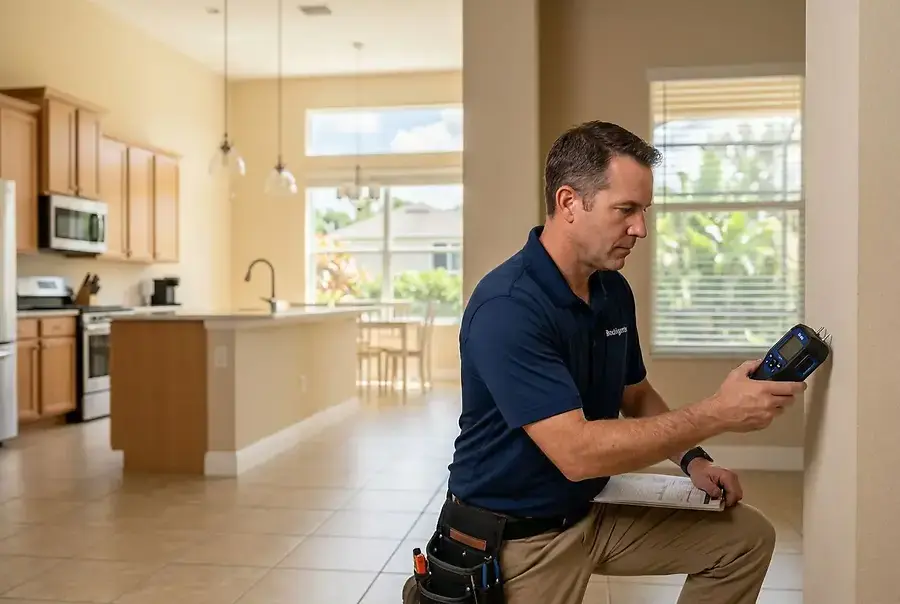
Understanding the Home Inspection Process in Florida's Climate
Purchasing a home in Winter Park or Orlando is an exciting milestone, but it comes with significant financial responsibility. A professional home inspection is one of the most critical steps in the buying process, serving as your objective assessment of the property's condition before you commit to the purchase.
In Central Florida's unique climate, home inspections take on special importance. The region's hot, humid subtropical weather, combined with occasional heavy rainfall and the potential for tropical storms, creates specific challenges for residential properties. A qualified home inspector will evaluate how well your potential home withstands these environmental pressures.
What Happens During a Home Inspection
A typical home inspection in Florida takes between two to four hours, depending on the property's size and age. The inspector will systematically examine:
- Structural integrity and foundation
- Roofing materials and condition
- HVAC systems and air conditioning units
- Plumbing and water systems
- Electrical systems and panels
- Insulation and ventilation
- Windows, doors, and exterior surfaces
- Interior walls, ceilings, and flooring
As a homebuyer, you have the right to accompany the inspector throughout the process. This is an excellent opportunity to ask questions and gain firsthand knowledge about your potential investment.
Common Issues Found in Winter Park and Orlando Homes
Central Florida's climate and construction practices create predictable patterns of wear and damage. Understanding these common issues helps you know what to expect in your inspection report.
Moisture and Humidity-Related Problems
The most prevalent issue in Orlando and Winter Park homes is moisture damage. High humidity levels can lead to mold growth, wood rot, and deterioration of building materials. Inspectors pay special attention to:
- Attic ventilation and moisture accumulation
- Bathroom and kitchen exhaust systems
- Foundation cracks that allow water intrusion
- Improper grading around the home's perimeter
Roof and Water Damage
Florida's intense sun and occasional severe weather make roofing a critical concern. Many homes in the area experience:
- Premature shingle deterioration from UV exposure
- Inadequate attic ventilation leading to heat buildup
- Flashing issues around chimneys and vents
- Debris accumulation in gutters and downspouts
HVAC System Strain
Air conditioning systems work overtime in Central Florida's heat. Inspectors commonly find:
- Refrigerant leaks and low charge levels
- Clogged or dirty filters reducing efficiency
- Aging units nearing the end of their lifespan
- Improper ductwork installation or insulation
Foundation and Structural Concerns
Florida's sandy soil and high water table create unique foundation challenges. Common findings include minor settling cracks, which are often normal, but inspectors will flag any signs of active movement or significant structural issues that require professional evaluation.
How to Interpret Your Inspection Report and Negotiate Repairs
Your inspection report will be detailed and comprehensive, typically ranging from 20 to 40 pages. Understanding how to read and act on this document is crucial to protecting your interests.
Report Organization and Severity Levels
Most inspection reports categorize findings by severity:
- Critical Issues: Safety hazards or major structural problems requiring immediate attention
- Major Issues: Significant repairs needed within the near future
- Minor Issues: Maintenance items or cosmetic concerns
- Informational Items: Observations about the home's systems and maintenance
Negotiation Strategies
Once you receive your inspection report, you have several options:
- Request repairs: Ask the seller to fix critical and major issues before closing
- Request credits: Negotiate a reduction in the purchase price to cover repair costs
- Request inspections: Have specialists evaluate specific concerns in detail
- Walk away: Use inspection findings as grounds to terminate the contract if issues are severe
In Winter Park and Orlando's competitive real estate market, be strategic about your requests. Prioritize critical safety issues and major repairs that affect the home's livability. Minor cosmetic issues are typically the buyer's responsibility after closing.
Getting a Second Opinion
For significant findings, especially those related to the foundation, roof, or HVAC system, consider hiring a specialist for a detailed evaluation. The cost of a specialist inspection is minimal compared to potential repair expenses.
Moving Forward: Using Inspection Results to Protect Your Investment
Your home inspection doesn't end when you close on the property. The inspection report becomes a valuable reference document for future maintenance and repairs.
Creating a Maintenance Plan
Use your inspection report to establish a proactive maintenance schedule. Address the inspector's recommendations for routine maintenance before minor issues become major problems. This approach saves money and extends the life of your home's systems.
Documenting Everything
Keep your inspection report, all repair receipts, and maintenance records in a safe place. These documents are valuable if you ever need to file an insurance claim or sell the property in the future.
Planning for Future Repairs
A home inspection is not a pass-or-fail evaluation—it's a detailed snapshot of your property's condition at a specific moment in time.
If the inspector identifies systems nearing the end of their lifespan, such as an air conditioning unit with 12-15 years of use, budget for replacement within the next few years. This planning prevents unexpected financial strain.
Working with Qualified Professionals
When repairs are needed, hire licensed, insured contractors with experience in Central Florida homes. They understand the region's specific challenges and can provide solutions tailored to the local climate.
A thorough home inspection is your best defense against costly surprises after closing. By understanding the inspection process, recognizing common Central Florida issues, and using the report strategically, you'll make an informed decision and protect your investment for years to come.


