Essential Home Inspection Guide: Protect Your Investment Before Closing
Discover the critical inspection points that protect your investment and reveal hidden issues before closing.

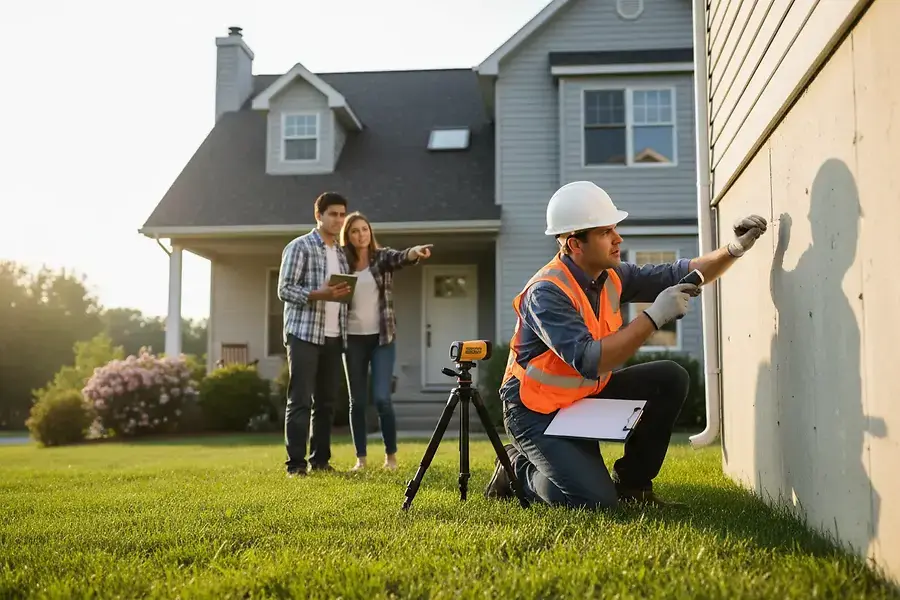
Introduction: Why Home Inspections Matter for Buyers
Purchasing a home is one of the most significant financial decisions you'll make in your lifetime. While the excitement of finding your dream property can be overwhelming, it's crucial to take a step back and ensure you're making a sound investment. A professional home inspection is your safeguard against costly surprises and hidden defects that could drain your finances after closing.
Home inspections provide an objective, detailed assessment of a property's condition. They uncover issues that may not be visible during casual walkthroughs and help you negotiate repairs or price adjustments before you commit to the purchase. Without this critical step, you could inherit structural problems, safety hazards, or expensive system failures that weren't apparent during your initial viewings.
Key Areas Inspectors Evaluate and Red Flags to Watch For
Structural Integrity and Foundation
The foundation is the backbone of any home. Inspectors examine the foundation for cracks, settling, water damage, and signs of movement. Red flags include:
- Large or widening cracks in the foundation or basement walls
- Bowing or leaning walls
- Water stains or active moisture intrusion
- Uneven floors or doors that don't close properly
These issues can be extremely expensive to repair and may indicate serious structural problems that affect the home's safety and value.
Roofing and Exterior
Your roof protects everything beneath it, making its condition paramount. Inspectors assess shingle condition, flashing, gutters, and overall weatherproofing. Watch for:
- Missing, curled, or deteriorating shingles
- Sagging roof lines
- Rust or damage to flashing
- Clogged or damaged gutters
- Rotting wood on siding or trim
Roof replacement is one of the most expensive home repairs, so understanding the remaining lifespan is essential for budgeting.
Plumbing Systems
Plumbing issues can lead to water damage, mold, and health hazards. Inspectors check water pressure, drainage, pipe materials, and water heater condition. Critical concerns include:
- Outdated or corroded pipes (galvanized or polybutylene)
- Slow drains or signs of blockages
- Water stains indicating leaks
- Aging water heaters nearing the end of their lifespan
- Improper venting or grading issues
Electrical Systems
Faulty electrical systems pose serious safety risks, including fire hazards. Inspectors evaluate the panel, wiring, outlets, and grounding. Major red flags:
- Outdated or unsafe electrical panels (such as Federal Pacific or Zinsco panels)
- Insufficient grounding or bonding
- Overloaded circuits or missing outlet covers
- Aluminum wiring (a fire hazard in older homes)
- Improper GFCI protection in wet areas
HVAC Systems
Heating, ventilation, and air conditioning systems are essential for comfort and indoor air quality. Inspectors assess furnace/heat pump condition, air conditioning operation, and ductwork. Concerns to note:
- Aging systems nearing replacement cost
- Inadequate maintenance or rust
- Improper installation or venting
- Refrigerant leaks in air conditioning units
Insulation and Ventilation
Proper insulation and ventilation affect energy efficiency and prevent moisture problems. Inspectors check attic insulation levels, ventilation adequacy, and signs of moisture or pest damage.
How to Prepare for Your Inspection and Interpret the Report
Before the Inspection
Prepare yourself mentally and logistically:
- Schedule the inspection early in the buying process, ideally within your inspection contingency period
- Attend the inspection in person to ask questions and observe the inspector's findings
- Request access to all areas, including the attic, basement, and crawl spaces
- Ask the inspector to explain findings in detail and take notes
- Request a written report with photographs and recommendations
Understanding the Report
Home inspection reports typically categorize findings by severity. Common categories include:
- Safety Issues: Immediate concerns that pose health or safety risks
- Major Repairs: Significant problems requiring professional attention and substantial investment
- Minor Repairs: Small issues that should be addressed but aren't urgent
- Maintenance Items: Routine upkeep recommendations to prevent future problems
Don't panic if the report identifies issues—most homes have some defects. Instead, focus on understanding the severity and cost implications of major findings.
Next Steps After Inspection
Once you have the inspection report, you have several options:
- Request repairs: Ask the seller to fix major issues before closing
- Negotiate credits: Request a price reduction to cover repair costs yourself
- Walk away: If issues are severe and costly, you may choose to terminate the purchase
- Accept as-is: Proceed with the purchase if issues are minor or acceptable to you
Your real estate agent and a qualified contractor can help you determine the cost and feasibility of repairs, enabling you to make an informed decision.
Conclusion: Making Informed Decisions with Inspection Data
A professional home inspection is an investment in your peace of mind and financial security. By understanding what inspectors evaluate and recognizing red flags, you empower yourself to make informed decisions about one of life's biggest purchases.
Remember, no home is perfect, but a thorough inspection reveals the true condition of your potential investment. Use this information to negotiate effectively, plan for future maintenance, and ultimately protect your financial interests. Don't skip this critical step—your future self will thank you for the diligence you exercise today.