Essential Home Inspection Guide: What Every Buyer Must Know Before Closing
Discover what inspectors look for and how to protect your investment from costly surprises.

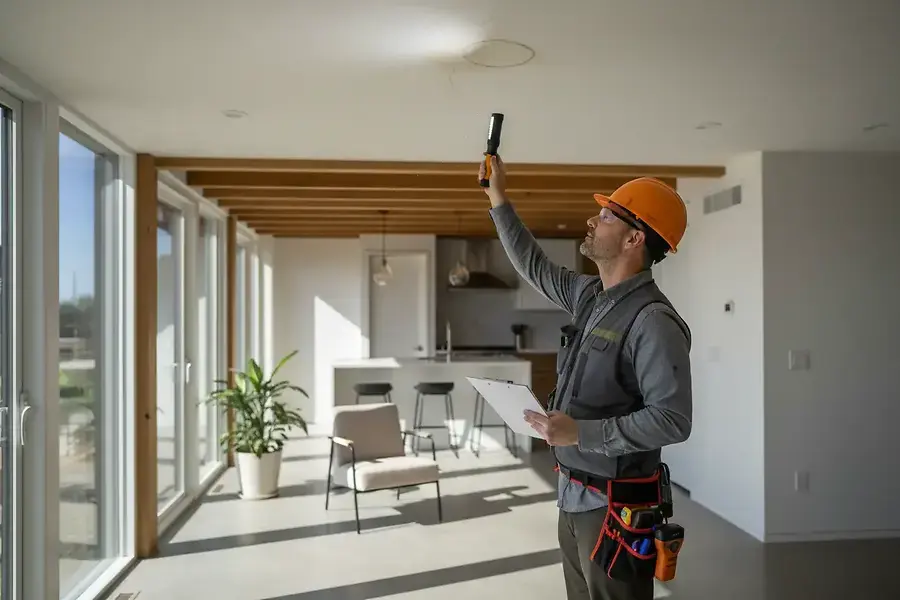
Understanding the Home Inspection Process and Why It Matters
A home inspection is one of the most critical steps in the homebuying process. This thorough evaluation of a property's condition can reveal hidden problems that could cost thousands of dollars to repair. Before you sign on the dotted line, understanding what happens during an inspection and why it matters is essential to protecting your investment.
A professional home inspector typically spends 2-4 hours examining a property, checking everything from the foundation to the roof. They assess the structural integrity, mechanical systems, and overall condition of the home. The inspection report becomes your roadmap for understanding what you're actually buying and what repairs or replacements may be needed in the near future.
Why is this important? Without a home inspection, you could inherit expensive problems like faulty wiring, plumbing issues, or roof damage that weren't visible during your walkthrough. An inspection gives you leverage to negotiate repairs or price reductions before closing.
Key Areas Inspectors Evaluate and Red Flags to Watch For
Structural Components
Inspectors carefully examine the foundation, walls, and overall structural integrity. Red flags include:
- Cracks in the foundation or basement walls
- Uneven or sagging floors
- Water damage or moisture intrusion
- Signs of settling or shifting
Roofing and Exterior
The roof is one of the most expensive components to replace. Inspectors look for missing shingles, leaks, and overall condition. Watch for:
- Roof age and remaining lifespan
- Missing or damaged shingles
- Poor drainage or gutters
- Exterior wood rot or deterioration
Plumbing Systems
Water-related issues can be costly and difficult to repair. Inspectors test water pressure, check for leaks, and examine pipes. Common concerns include:
- Corroded or outdated pipes
- Low water pressure
- Leaking fixtures or supply lines
- Inadequate drainage
Electrical Systems
Faulty electrical work poses serious safety risks. Inspectors verify that the system is up to code and functioning properly. Red flags to note:
- Outdated wiring or panels
- Insufficient outlets or circuits
- Improper grounding
- Signs of fire hazards
HVAC and Mechanical Systems
Heating, cooling, and ventilation systems are essential for comfort and health. Inspectors evaluate their age, efficiency, and condition. Issues to watch for:
- Aging furnaces or air conditioning units
- Poor ventilation or air quality
- Inadequate insulation
- Mold or moisture problems
How to Review Inspection Reports and Negotiate Repairs with Sellers
Understanding Your Inspection Report
Once you receive the inspection report, take time to review it carefully. Reports are typically organized by system and severity. Look for:
- Major issues: Structural problems, roof damage, or system failures
- Minor issues: Small repairs or maintenance items
- Recommendations: Suggested repairs or further evaluations
Don't hesitate to ask your inspector questions about anything you don't understand. They can provide clarification and help you prioritize what needs attention.
Negotiating with Sellers
Armed with your inspection report, you now have leverage. You have several options when issues are discovered:
- Request repairs: Ask the seller to fix major issues before closing
- Request credits: Negotiate a price reduction to cover repair costs yourself
- Request inspections: Ask for specialized inspections on specific systems
- Walk away: If issues are too severe, you may choose to terminate the contract
Be strategic in your negotiations. Focus on major issues that affect safety or structural integrity rather than cosmetic concerns. Sellers are more likely to agree to significant repairs than minor updates.
Getting Additional Inspections
For specific concerns, you may want to hire specialists. Consider additional inspections for:
- Termite and pest inspections
- Radon testing
- Mold assessments
- Septic system evaluations
- Well water testing
Taking Action: Next Steps After Your Home Inspection
Create a Priority List
Not all issues require immediate attention. Categorize repairs into three groups: urgent (safety concerns), important (systems nearing end of life), and nice-to-have (cosmetic improvements). This helps you budget and plan for future maintenance.
Budget for Future Repairs
Even if the seller agrees to repairs, set aside funds for maintenance and unexpected issues. A good rule of thumb is to budget 1-2% of the home's purchase price annually for repairs and maintenance.
Maintain Detailed Records
Keep your inspection report and any repair receipts in a safe place. These documents are valuable for future reference, warranty claims, and when you eventually sell the home.
Schedule Follow-Up Inspections
If repairs are made before closing, request a follow-up inspection to verify the work was completed properly. Don't skip this step—it ensures you're getting what you paid for.
Final Thought: A home inspection is an investment in peace of mind. By understanding what inspectors look for and how to use that information, you're taking control of one of the biggest purchases of your life. Don't rush through this process—it could save you thousands of dollars and years of headaches.