Essential Home Inspection Red Flags Every Residential Buyer Should Know
Learn what to watch for during inspections to avoid costly surprises and protect your investment.

Why Home Inspections Matter for Residential Purchases
Purchasing a home is one of the most significant financial decisions you'll make in your lifetime. A thorough home inspection serves as your safeguard against inheriting costly problems and hidden defects. A professional home inspection can reveal issues that aren't visible during a casual walkthrough, potentially saving you tens of thousands of dollars in repairs and renovations.
Many first-time homebuyers underestimate the importance of a comprehensive inspection, viewing it as an optional expense. However, skipping this critical step could lead to discovering major problems after you've already signed the deed. Understanding what inspectors look for and what red flags should concern you is essential knowledge for any residential buyer.
During an inspection, trained professionals examine every major system and structural component of the property. They assess everything from the foundation to the roof, identifying issues that could affect your safety, comfort, and the property's long-term value. Being informed about potential red flags allows you to make educated decisions and negotiate repairs or price adjustments before closing.
Common Structural and Foundation Issues That Impact Property Value
Foundation Problems and Settlement Issues
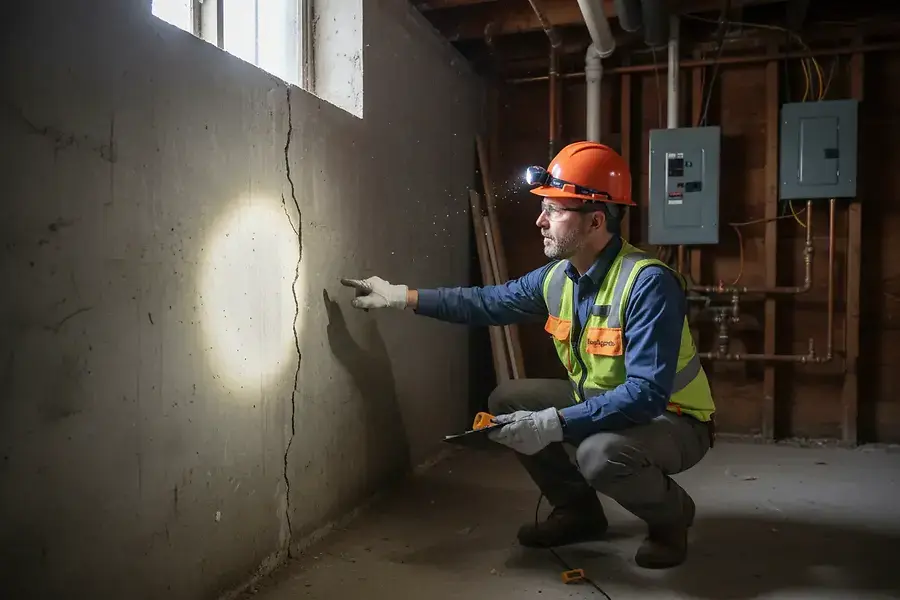
The foundation is literally the backbone of your home. Cracks in the foundation, uneven settling, or water damage are serious red flags that demand immediate attention. Small hairline cracks may be cosmetic, but larger cracks—especially those wider than a quarter inch—could indicate structural movement or water infiltration problems.
Look for these warning signs:
- Horizontal or stair-step cracks in basement walls
- Bowing or leaning walls
- Water stains or moisture in the basement or crawl space
- Uneven or sloping floors
- Gaps between walls and the foundation
Foundation repairs can cost anywhere from a few thousand to over $100,000, making this one of the most expensive issues a home can have. If you notice foundation problems, hire a structural engineer for a detailed assessment before proceeding with your purchase.
Roof Condition and Age
Your roof protects everything beneath it, so its condition is paramount. An aging or damaged roof is a major red flag that could lead to water damage, mold, and structural deterioration. Most asphalt shingle roofs last 15-20 years, so knowing the roof's age is crucial.
Warning signs include:
- Missing, curled, or damaged shingles
- Sagging roof lines
- Granule loss on shingles
- Moss or algae growth
- Water stains on ceilings or attic framing
A roof replacement can cost $10,000 to $30,000 or more, depending on the home's size and materials used. If the roof is nearing the end of its lifespan, factor replacement costs into your offer negotiations.
Systems to Evaluate: Electrical, Plumbing, HVAC, and Roofing Concerns
Electrical System Safety
An outdated or faulty electrical system poses serious safety risks, including fire hazards and electrocution dangers. Homes with aluminum wiring, outdated panels, or insufficient grounding are significant concerns. Older homes may have knob-and-tube wiring, which is a major red flag that requires complete rewiring.
Red flags to watch for:
- Frequent circuit breaker trips
- Outlets that don't work or feel warm to the touch
- Visible damage to wiring or outlets
- Inadequate number of outlets for modern living
- Outdated electrical panel with insufficient capacity
Electrical upgrades and rewiring can be expensive, often ranging from $3,000 to $25,000 depending on the extent of work needed. Always have a licensed electrician evaluate any electrical concerns.
Plumbing System Issues
Plumbing problems can lead to water damage, mold growth, and health hazards. Corroded pipes, leaks, and inadequate water pressure are common red flags that indicate the plumbing system may need significant repairs or replacement.
Key concerns include:
- Slow drains or frequent clogs
- Water stains under sinks or around pipes
- Low water pressure throughout the home
- Galvanized or polybutylene pipes (outdated materials prone to failure)
- Evidence of past water damage or mold
Replacing plumbing can cost $5,000 to $25,000 or more, depending on the home's size and the extent of replacement needed. Have a plumber inspect the system thoroughly if you notice any red flags.
HVAC System Functionality
The heating, ventilation, and air conditioning system is essential for comfort and indoor air quality. An aging or malfunctioning HVAC system can be costly to repair or replace, with new systems running $5,000 to $15,000 or more.
Red flags include:
- System age over 15 years
- Inadequate heating or cooling in certain areas
- Unusual noises or odors from vents
- Excessive dust or poor air quality
- Lack of regular maintenance records
Request maintenance records and have the system professionally evaluated. If the system is nearing the end of its lifespan, budget for replacement in your financial planning.
Making Informed Decisions Based on Inspection Results
Once you receive the inspection report, take time to review it thoroughly. Don't ignore red flags or assume minor issues will resolve themselves. Instead, use the inspection results as a negotiating tool.
Consider these options:
- Request repairs: Ask the seller to fix critical issues before closing
- Negotiate a price reduction: Reduce your offer to account for repair costs
- Request a credit at closing: Receive funds to handle repairs yourself
- Walk away: If issues are too extensive, it may be wise to find another property
Remember that a home inspection is an investment in your peace of mind and financial security. By understanding common red flags and taking inspection results seriously, you protect yourself from costly surprises and make a more informed decision about one of life's biggest purchases.
Pro Tip: Always hire a licensed, certified home inspector with experience in your area. Their expertise can mean the difference between discovering a minor issue and missing a major problem that could cost you thousands.
Armed with knowledge about what to look for during a home inspection, you're better equipped to evaluate properties and make decisions that protect your investment for years to come.


